Uninsured

New and noteworthy

Quote from KFF President and CEO Drew Altman reads, "when it comes to the “affordability crisis” driving the national discussion of health care today, the chronically ill, and most of all the chronically ill uninsured, are the tip of the spear."

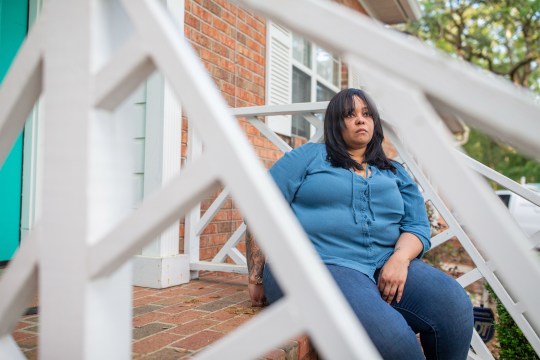
The Group that Struggles the Most in American Health Care

In a new column, Dr. Drew Altman, KFF’s Founding President and CEO, previews findings about the chronically ill uninsured from a large KFF survey of 25,000 Americans focusing on the cost and access challenges facing the chronically ill, which will be released tomorrow. He writes: “There are more than enough needs to go around in American health care, but if I had to pick the one group that struggles the most with costs and access, it would be people with chronic illnesses who are also uninsured.”


Other “Beyond the Data” columns >>

Key Facts about the Uninsured Population

The number and share of people without insurance grew in 2024, increasing for the first time since 2019, according to KFF’s analysis of data from the American Community Survey (ACS). This issue brief describes trends in health coverage in 2024, examines the characteristics of the uninsured population , and summarizes the access and financial implications of not having coverage.

Data and analysis

The coverage gap exists because some states did not expand Medicaid under the ACA to cover adults under age 65 without dependent children with incomes at/below 138% of the federal poverty level (FPL)

How Many Uninsured Are in the Coverage Gap?

An estimated 1.4 million uninsured individuals in the 10 states without Medicaid expansion, including many working adults, people of color, and those with disabilities, remain in the "coverage gap," ineligible for Medicaid or for ACA tax credits that would make coverage affordable.

The Uninsured and Health Coverage

This Health Policy 101 chapter examines the share of the United States population who are uninsured, highlighting their demographics and the challenges they face because of the lack of coverage.

Key Facts on Health Coverage of Immigrants

This fact sheet provides an overview of health coverage for immigrants based on data from the 2023 KFF/LA Times Survey of Immigrants. As of 2023, half of likely undocumented immigrant adults and one in five lawfully present immigrant adults reported being uninsured.

Who was uninsured in 2024?

Latest Polling
9.8%

The share of people under age 65 without insurance
62%

The share of uninsured adults who said they were uninsured because coverage is not affordable
59%

The share of uninsured adults who said they or someone living with them had problems paying for health care
39%

The share of uninsured adults who reported delaying or not getting needed care or medication due to cost

Stay informed.

Stay informed.

Filter

661-670 of 1,315 results

  • The President’s FY 2006 Budget Proposal:

    Report

    Overview and Briefing Charts This chartpack reviews the President’s FY 2006 budget request to Congress and highlights overall budget assumptions and funding for major health programs. It begins with a description of the federal budget process, followed by an overview of federal surplus/deficit spending patterns dating back to 1969. It then turns to summary information on the overall composition of the Administration’s budget, followed by the President’s proposed funding for some of the major programs…

  • Improving Access to Adult Primary Care in Medicaid: Exploring the Potential Role of Nurse Practitioners and Physician Assistants

    Issue Brief

    The inadequate supply of primary care providers is among the major challenges facing the U.S. health care system. Sixty-five million people live in areas designated by the federal government as having a shortage of primary care providers. Under the Patient Protection and Affordable Care Act (ACA), the pressures on access are certain to grow as millions of newly insured people enter the health care system. By 2020, the U.S. will face an estimated shortage of…

  • Webcast: New CMS Estimates of State-by-State Health Expenditures

    Event Date:
    Event

    The Kaiser Family Foundation held a live interactive webcast on December 7, 2011, to discuss trends in state health care expenditures and the implications for national and state efforts to constrain health care costs. The webcast examines new state-by-state estimates of public and private health spending from the Centers for Medicare and Medicaid Services (CMS) published in the online journal, Medicare and Medicaid Research Review. An expert panel offers perspectives on the trends within and…

  • Policy and Political Implications of the Supreme Court Case on the Affordable Care Act

    Event Date:
    Event

    This webcast features a Kaiser Family Foundation briefing held on March 14, 2012, examining the policy and political implications of the pending U.S. Supreme Court case on the Affordable Care Act (ACA). At the briefing, the Foundation released new polling data on the public’s views about the case as well as their more general views about the health reform law. Participants included: Kaiser President and CEO Drew Altman (moderator)Joe Onek, Principal, The Raben Group Sheila…

  • Massachusetts Health Care Reform: Six Years Later

    Issue Brief

    In 2006, then-Gov. Mitt Romney signed Massachusetts' comprehensive health reform designed to provide near-universal health insurance coverage for state residents. Building on a long history of health reform efforts, the state embarked on an ambitious plan to promote shared individual, employer, and government responsibility. This brief examines Massachusetts' experience with coverage and access to care over the last six years, as well as the state's ongoing efforts to deal with persistent high health-care costs. The…

  • How States Are Responding to the Challenge of Financing Health Care for Retirees

    Report

    State governments are an important source of health insurance coverage for retired state employees. Confronted with rising health care costs, budget deficits, and an overall downturn in the economy, this report describes how states are responding to the challenge of financing health care for retirees who tend to be sicker and more costly to cover than active workers. This study, based on survey responses from 43 states and the District of Columbia, captures information on…

  • New Publications on Immigrant Health Care and Linguistic Access

    Fact Sheet

    In 2000, there were over 32 million foreign-born residents in the U.S. Immigrants often face barriers to health coverage and health services. The disparities confronting immigrants can be similar to those faced by low-income working families generally, but immigrants also face other barriers, including linguistic issues and eligibility changes that have limited their ability to qualify for Medicaid. These new or updated publications address issues related to how race, immigration status, and language affect insurance…

  • Survey of People with Disabilities

    Poll Finding

    People with disabilities are at risk in the health-care system because of their wide-ranging health-care needs, their relatively heavy use of prescription drugs, health-care and support services, and typically low incomes. A new survey of people with permanent mental and/or physical disabilities explores their health-care experiences and challenges in accessing and paying for care. This chartpack contains the briefing materials from the event held to release the survey. Chart Pack (.pdf)

  • Report: Giving Voice to the People of New Orleans: The Kaiser Post-Katrina Baseline Survey

    Poll Finding

    This May 2007 Kaiser Family Foundation report is the first of several that will track the progress and challenges facing people living in the New Orleans area in the aftermath of Hurricane Katrina. To conduct the study, a team of 41 interviewers visited 456 randomly selected census areas, documented the physical condition of nearly 17,000 housing locations and completed interviews with 1,504 randomly chosen adults living in the four parishes between September and November 2006.…