Racial Equity and Health Policy

the Essentials
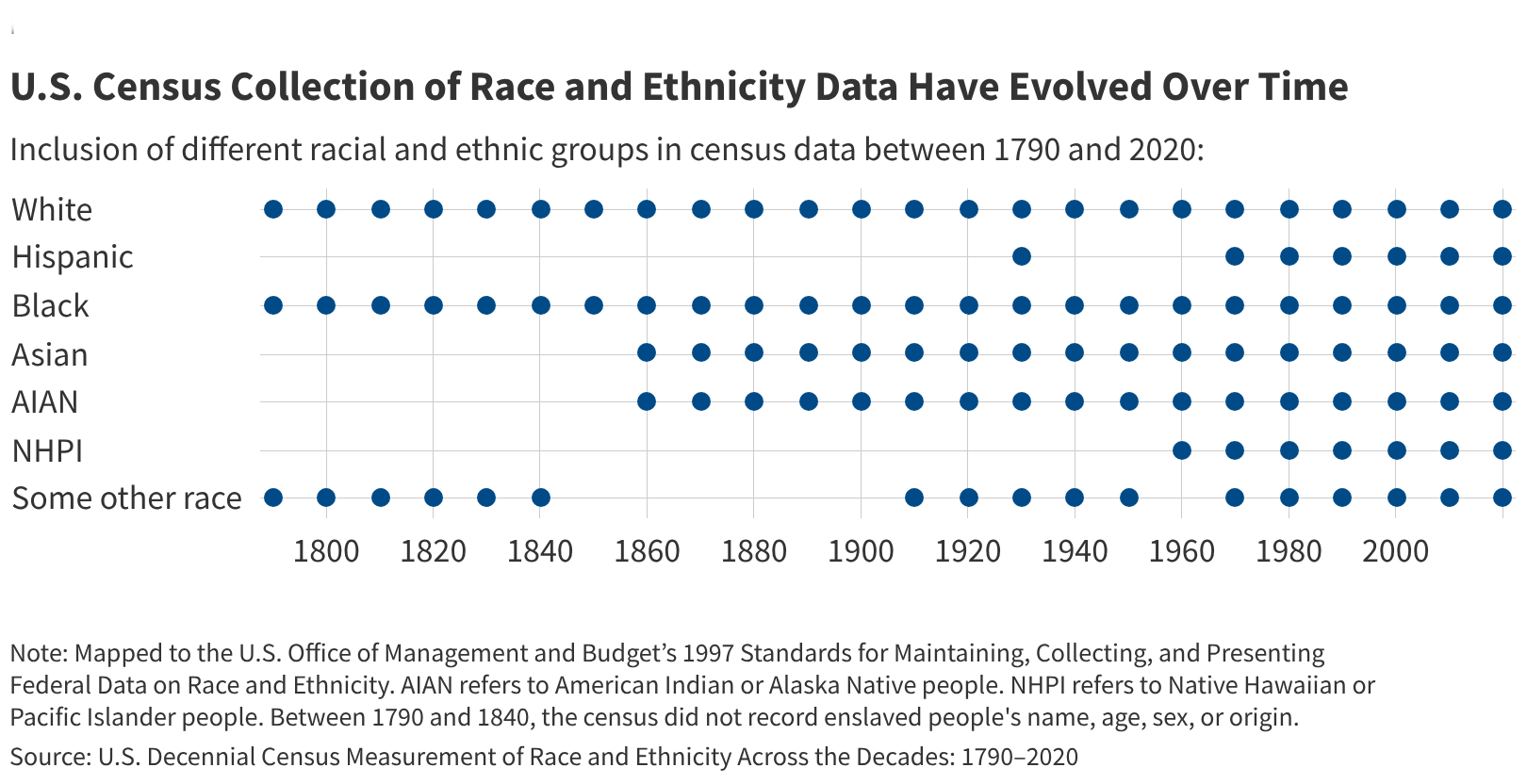
  • Health Coverage by Race and Ethnicity, 2010-2024

    There have been longstanding racial and ethnic disparities in health coverage that contribute to disparities in health. This brief examines trends in health coverage by race and ethnicity from 2010 through 2024 and discusses the implications for such disparities.
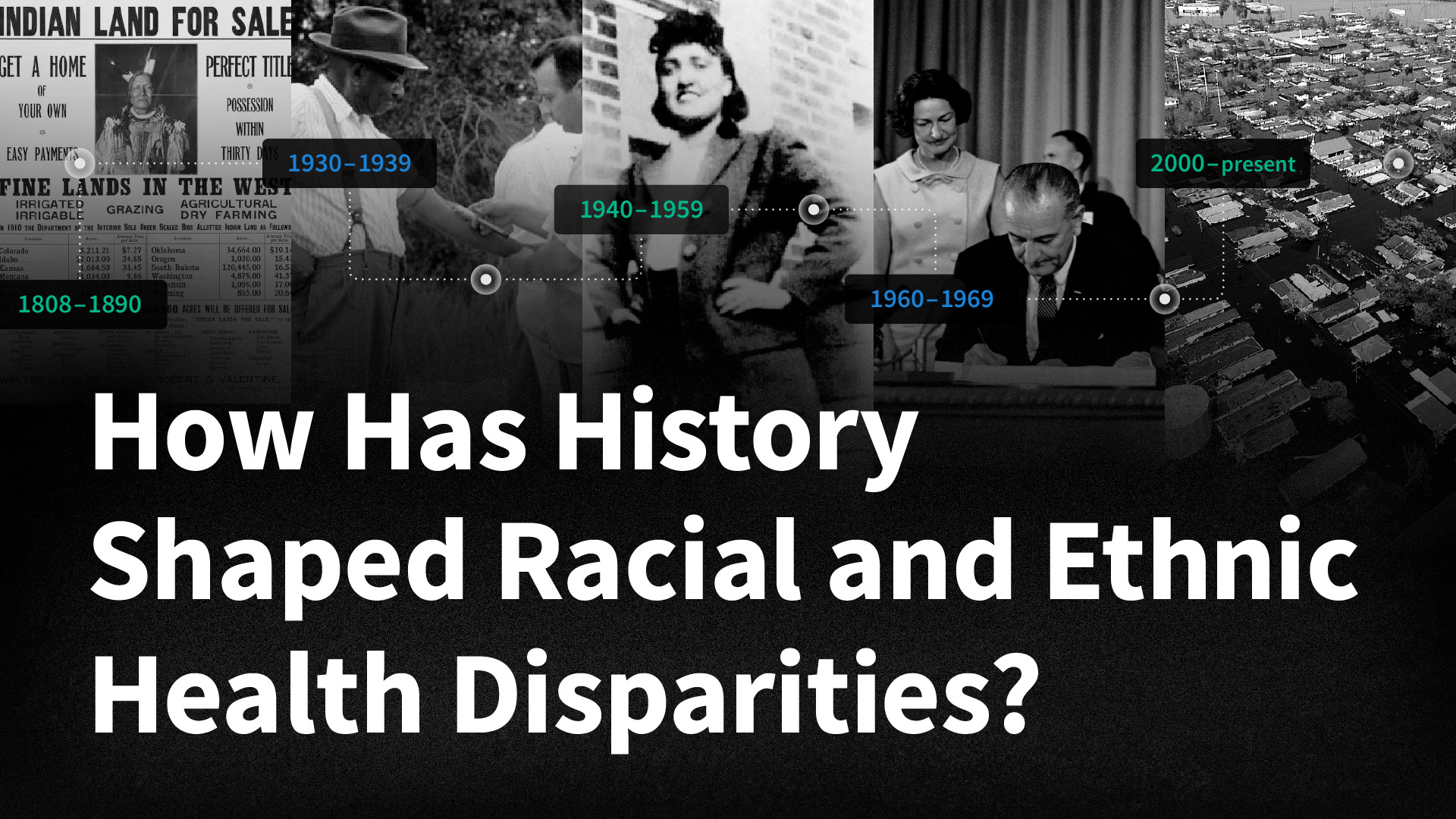
  • Timeline: How History Has Shaped Racial and Ethnic Health Disparities

    This timeline offers a historical view of significant U.S. federal policies and events spanning the early 1800s to today that have influenced present-day health disparities.
  • Health Policy 101: Chapter on Race, Inequality and Health

    Addressing persistent racial and ethnic disparities in health and health care is important for improving the nation’s health and economic prosperity. KFF explains such disparities and the factors that drive them, examines the actions to address them, and outlines future considerations.
  • Key Data on Health and Health Care by Race and Ethnicity

    Racial and ethnic disparities in health and health care remain a persistent challenge in the United States. An updated KFF resource examines how people of color fare compared to White people across 64 measures of health, health care, and social determinants of health.

Survey of Immigrants

KFF-New York Times Survey: Immigrants Report Rising Fear, Negative Economic and Health Impacts, and Changing Political Views During the First Year of President Trump’s Second Term

The 2025 Survey of Immigrants, a partnership between KFF and The New York Times, takes an in-depth look at the experiences of immigrants during the first year of President Trump’s second term, including their worries related to increased immigration enforcement, their health and economic wellbeing, and the political views and preferences of immigrant voters. The survey paints a portrait of families under strain — where fear of detention and economic instability are negatively impacting immigrants’ health and reshaping immigrant families’ daily lives and views of U.S. political parties.

Read the News Release | Explore The New York Times’ Reporting
Stay informed.

Stay informed.

Filter

81 - 90 of 602 Results

  • Disparities in Women’s Health

    Other Post

    Disparities in Women's Health Disparities in health and health care continue to burden women, particularly affecting women of color or those who are poor. To shed more light on the factors contributing to inequalities in health and access to care for women, the Kaiser Family Foundation provided support for the newest issue of the Journal of the American Medical Women's Association (JAMWA) Disparities in Women's Health. This special issue features an editorial by Surgeon General…

  • COVID-19 Crisis Will Likely Disproportionately Affect the Health and Finances of Communities of Color

    News Release

    The COVID-19 outbreak will likely disproportionately affect communities of color in both their health and their pocketbooks, compounding longstanding racial disparities in health and economic conditions, according to a new KFF analysis. While comprehensive data about how the COVID-19 crisis is unfolding are not yet available, early data from some areas suggest groups of color are experiencing disproportionate health and economic impacts. As of April 6, to cite a few examples: In Illinois, groups of…

  • A Third of the Public View Racism as a Major Problem in Health Care; Larger Shares See Racism as a Major Problem in Politics, Criminal Justice, and Other Areas

    News Release

    About a third (32%) of the public view racism as a major problem in health care, fewer than say the same about politics (56%), the criminal justice system (54%), and policing (51%), a new KFF report on the public’s views of racism finds. The lower levels of perceived racism in health care may reflect high levels of trust in doctors and health care providers across racial and ethnic groups. Overall, Black adults are much more…

  • Children and Oral Health: Assessing Needs, Coverage and Access

    Issue Brief

    This policy brief highlights the prevalence of dental problems among children and examines gaps in oral health coverage and access to dental care, as well as disparities by income and race/ethnicity. It also looks at out-of-pocket costs for dental care, explains the role of Medicaid and CHIP in dental care, coverage and access for children and describes the expansion of oral health coverage for children under the Affordable Care Act. Issue Brief (.pdf)

  • Five Key Findings on Mental Health and Substance Use Disorders by Race/Ethnicity

    Issue Brief

    Rapidly rising rates of deaths by suicide and drug overdose among people of color, along with disproportionate impacts of the COVID-19 pandemic, further underscore inequities in access to mental health care and treatment and highlight the importance of centering equity in diagnostics, care, and treatment.

  • Recent Changes in Children’s Vaccination Rates by Race and Ethnicity

    Issue Brief

    Data show that children’s vaccination rates, including MMR and seasonal flu vaccines, have declined in recent years largely due to decreases in vaccinations among White and Asian children. At the same time, and despite the declines among White and Asian children, Black and AIAN children remain least likely to have received recommended childhood vaccinations and the MMR vaccine specifically.

  • Black and Hispanic Adults with Fair or Poor Mental Health Are Less Likely Than White Adults to Say They Received Mental Health Services, Reflecting Cost Concerns and Other Barriers to Care

    News Release

    A new KFF analysis of our 2023 Survey of Racism, Discrimination, and Health finds that Black (39%) and Hispanic (36%) adults who report fair or poor mental health are less likely than White (50%) adults to say they received mental health services in the past three years. Such disparities reflect several barriers to mental health care identified by these adults. In addition to cost concerns and being too busy or not being able to get…