Racial Equity and Health Policy

the Essentials
  • Health Coverage by Race and Ethnicity, 2010-2024

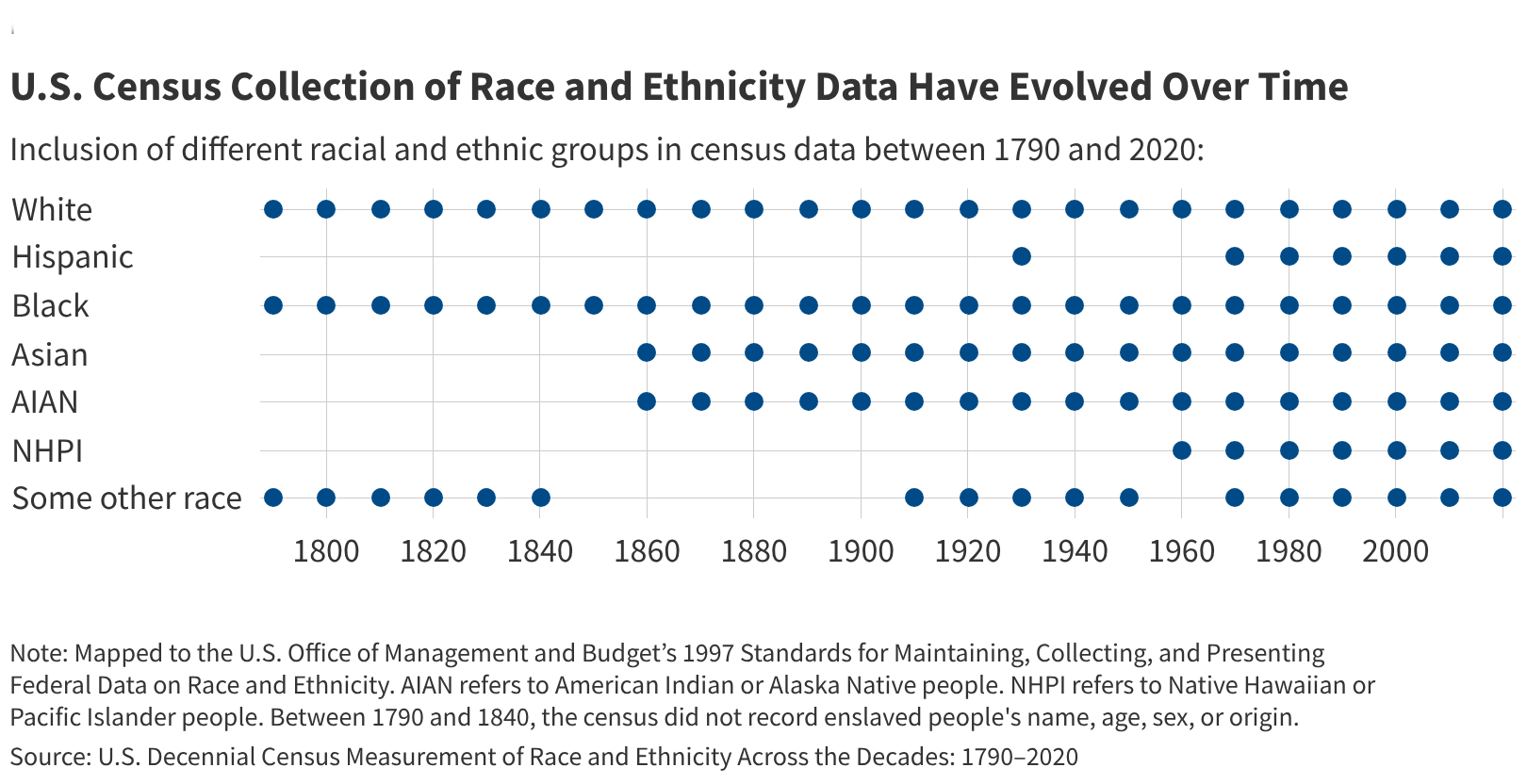
    There have been longstanding racial and ethnic disparities in health coverage that contribute to disparities in health. This brief examines trends in health coverage by race and ethnicity from 2010 through 2024 and discusses the implications for such disparities.
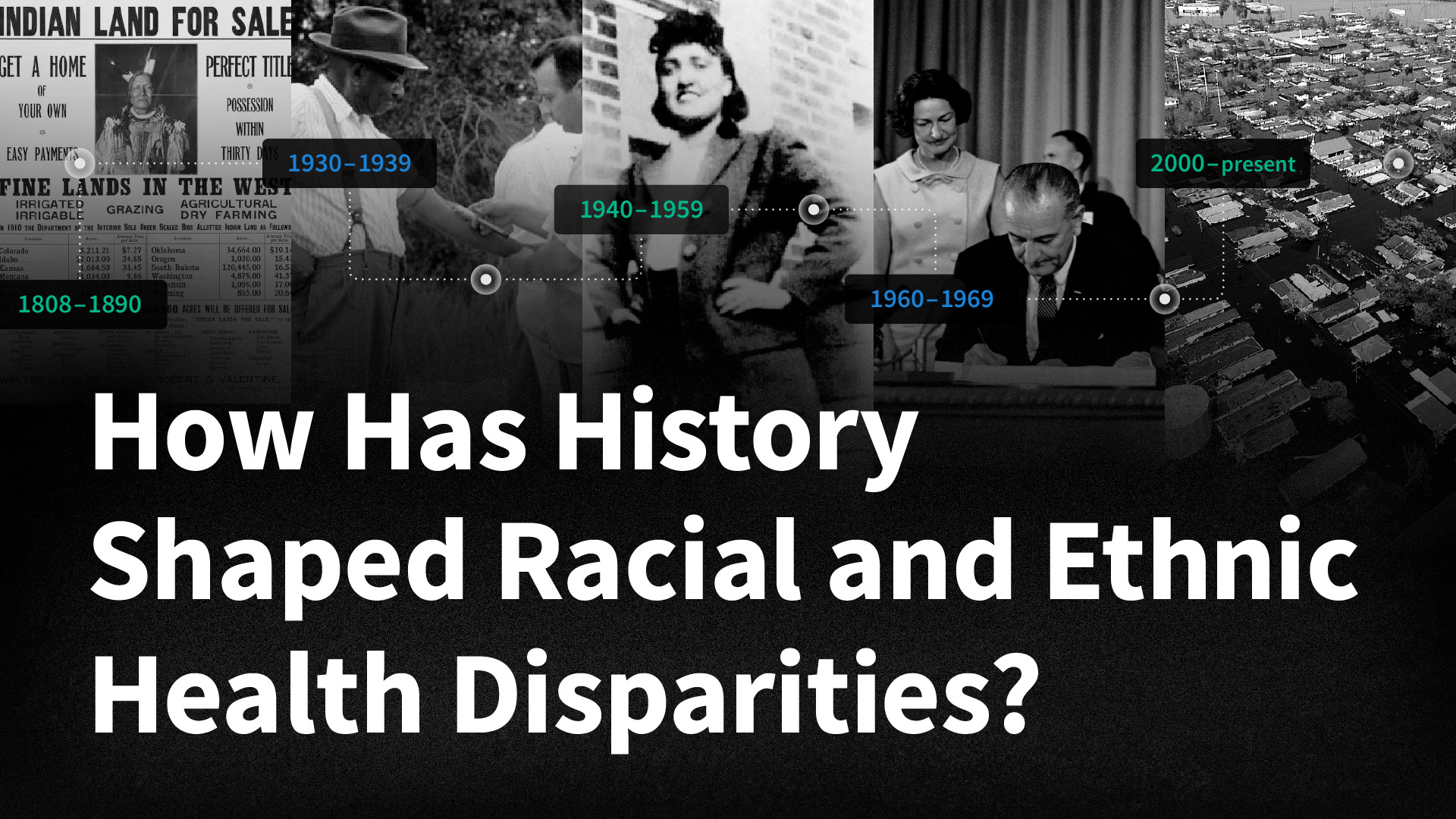
  • Timeline: How History Has Shaped Racial and Ethnic Health Disparities

    This timeline offers a historical view of significant U.S. federal policies and events spanning the early 1800s to today that have influenced present-day health disparities.
  • Health Policy 101: Chapter on Race, Inequality and Health

    Addressing persistent racial and ethnic disparities in health and health care is important for improving the nation’s health and economic prosperity. KFF explains such disparities and the factors that drive them, examines the actions to address them, and outlines future considerations.
  • Key Data on Health and Health Care by Race and Ethnicity

    Racial and ethnic disparities in health and health care remain a persistent challenge in the United States. An updated KFF resource examines how people of color fare compared to White people across 64 measures of health, health care, and social determinants of health.

Survey of Immigrants

KFF-New York Times Survey: Immigrants Report Rising Fear, Negative Economic and Health Impacts, and Changing Political Views During the First Year of President Trump’s Second Term

The 2025 Survey of Immigrants, a partnership between KFF and The New York Times, takes an in-depth look at the experiences of immigrants during the first year of President Trump’s second term, including their worries related to increased immigration enforcement, their health and economic wellbeing, and the political views and preferences of immigrant voters. The survey paints a portrait of families under strain — where fear of detention and economic instability are negatively impacting immigrants’ health and reshaping immigrant families’ daily lives and views of U.S. political parties.

Read the News Release | Explore The New York Times’ Reporting
Subscribe to KFF Emails

Choose which emails are best for you.
Sign up here

Filter

211 - 220 of 602 Results

  • Americans’ Challenges with Health Care Costs

    Issue Brief

    This data note reviews our recent polling data that finds that many Americans struggle to afford many aspects of health care, including disproportionate shares of uninsured adults, Black and Hispanic adults and those with lower incomes.

  • Key Facts: African Americans and HIV/AIDS

    Report

    provides comprehensive data on the impact of HIV/AIDS epidemic on African Americans. Based on the most recent data and research on the epidemiology of HIV/AIDS among African Americans, the report includes an overview and epidemic profile, as well as data on major trends, access to and use of health services, and perceptions of HIV/AIDS. Chartbook (.pdf)

  • Latinos and HIV/AIDS in the United States

    Other Post

    Capitol Hill Briefing HIV remains a leading cause of death among Latinos in the United States, and Latinos with HIV are less likely than whites to receive early care. The rate of AIDS cases among Latinos is almost four times the rate among whites. In addition, Latinos face many unique hurdles to reducing the impact of HIV/AIDS in their communities. Representative Ciro D. Rodriguez (D-Texas) delivers the opening remarks and Ingrid M. Duran, president and…

  • Racial/Ethnic Disparities in Access to Care Among Children: How Does Medicaid do in Closing the Gaps?

    Other Post

    While Medicaid and the Children's Health Insurance Program (CHIP) have become increasingly important sources of health coverage for low-income children in all racial and ethnic groups, the program plays an especially large role for children of color, who are more likely than white children to be low-income. In 2007, Medicaid and CHIP covered nearly one in five white children, but roughly two in five African American and Hispanic children. As policymakers engaged in health reform…

  • Black Women in America

    Poll Finding

    The Washington Post and the Kaiser Family Foundation partnered to conduct a survey examining the opinions of black women around the nation on a wide range of issues including health care. The survey included a large oversample of African Americans to enable accurate analysis of subgroups of this population. This survey is the 23rd in a series of surveys dating back to 1995 that have been conducted as part of The Washington Post/Kaiser Family Foundation…

  • What’s the Diagnosis? Latinos, Media & Health

    Report

    Three reports examining how health issues are handled by the Latino-oriented media today and how Latinos use the media as an information source on health issues. The three new studies were released at the National Association of Hispanic Journalists (NAHJ) conference. The studies are also available separately: A National and Three Region Survey of Latinos on the Media and Health, conducted by Princeton Survey Research Associates (#1410), A Study of Health Coverage in Latino Newspapers,…