Racial Equity and Health Policy

the Essentials
  • How Experiencing Racial Discrimination Impacts Health

    This brief highlights research examining mechanisms underlying health outcomes linked to self-reported experiences of racial discrimination, including biological changes, chronic stress, mental health, substance use, pregnancy-related outcomes, and sleep.
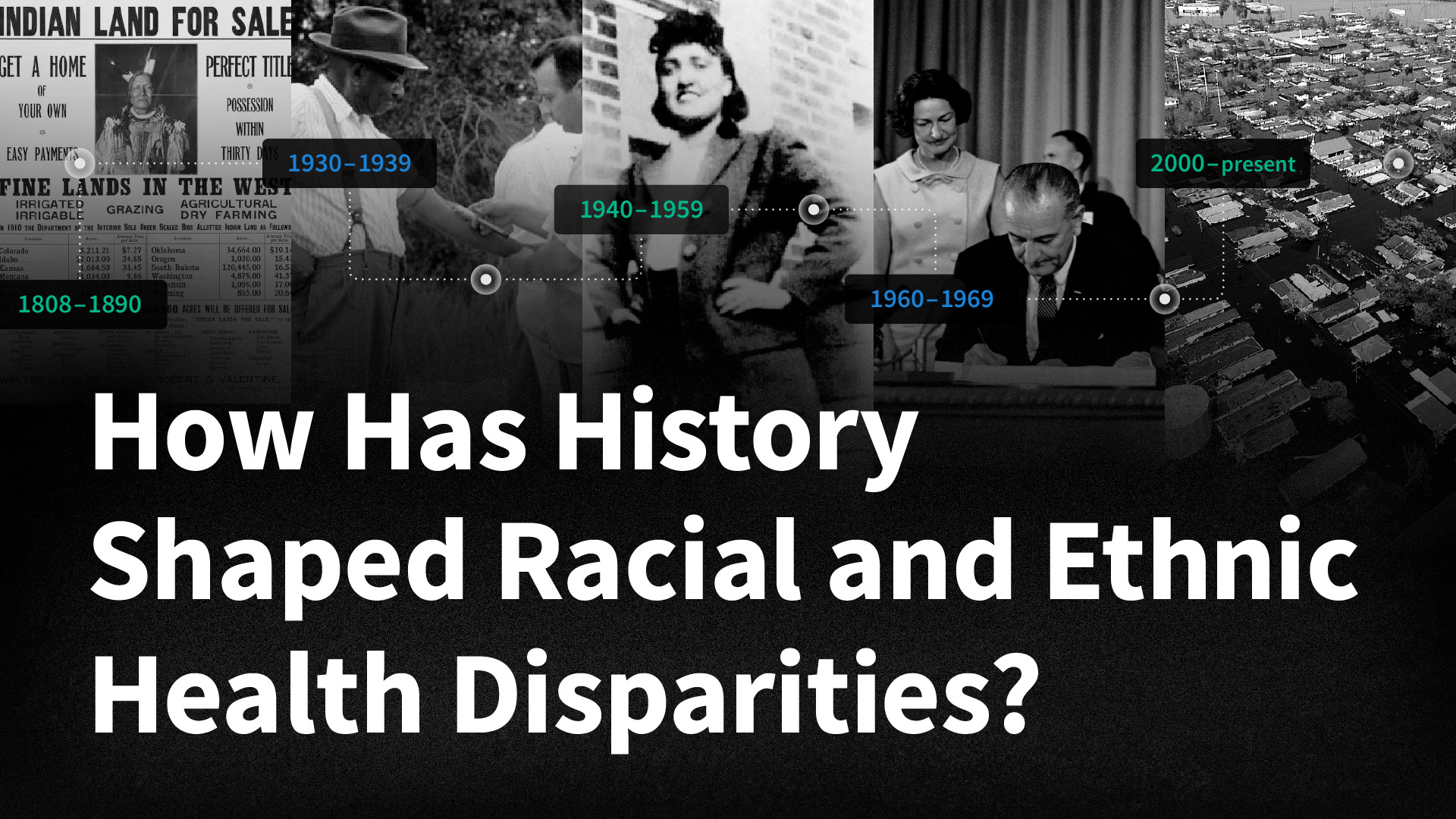
  • Timeline: How History Has Shaped Racial and Ethnic Health Disparities

    This timeline offers a historical view of significant U.S. federal policies and events spanning the early 1800s to today that have influenced present-day health disparities.
  • Health Policy 101: Chapter on Race, Inequality and Health

    Addressing persistent racial and ethnic disparities in health and health care is important for improving the nation’s health and economic prosperity. KFF explains such disparities and the factors that drive them, examines the actions to address them, and outlines future considerations.
  • Key Data on Health and Health Care by Race and Ethnicity

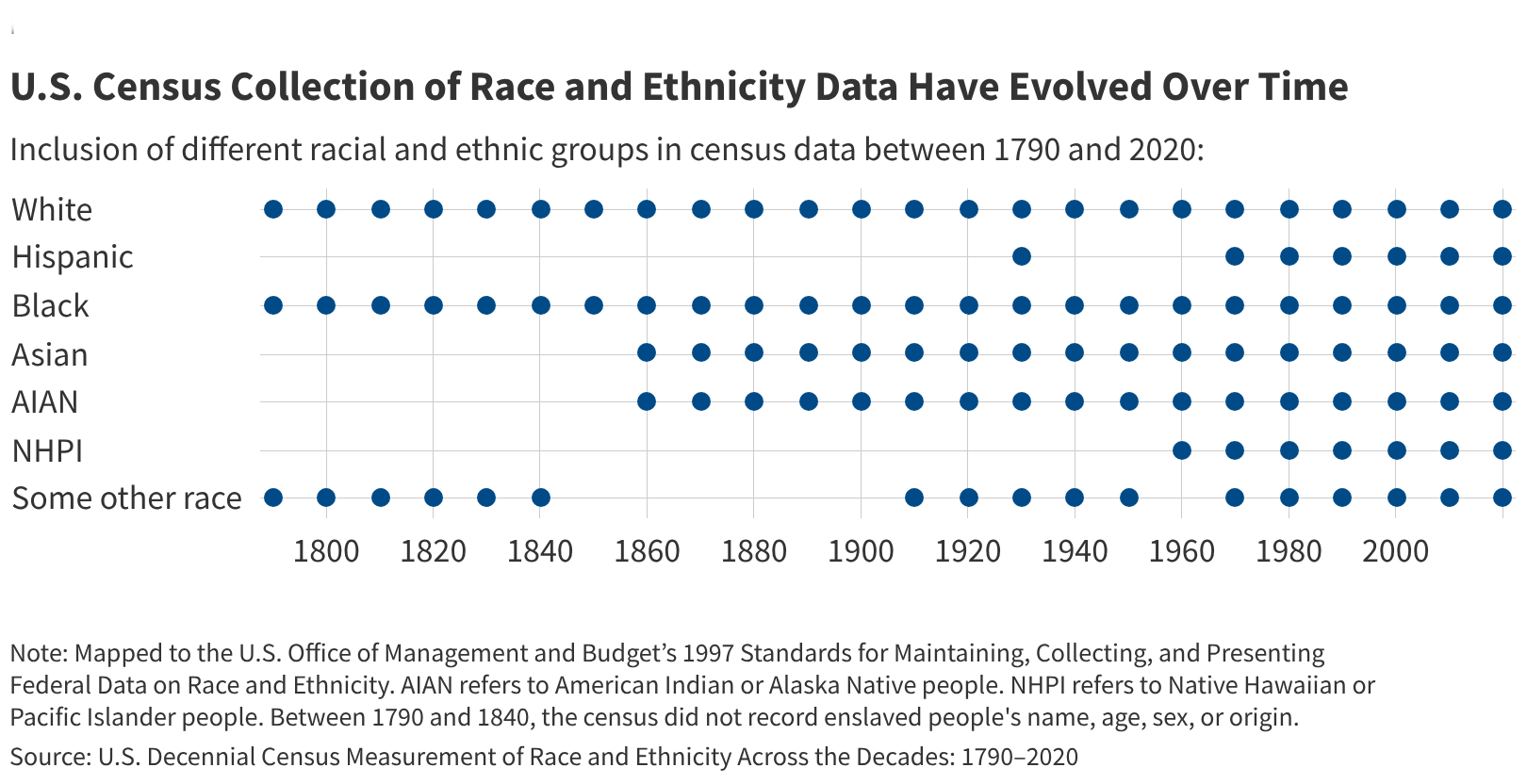
    Racial and ethnic disparities in health and health care remain a persistent challenge in the United States. An updated KFF resource examines how people of color fare compared to White people across 64 measures of health, health care, and social determinants of health.

Survey of Immigrants

KFF-New York Times Survey: Immigrants Report Rising Fear, Negative Economic and Health Impacts, and Changing Political Views During the First Year of President Trump’s Second Term

The 2025 Survey of Immigrants, a partnership between KFF and The New York Times, takes an in-depth look at the experiences of immigrants during the first year of President Trump’s second term, including their worries related to increased immigration enforcement, their health and economic wellbeing, and the political views and preferences of immigrant voters. The survey paints a portrait of families under strain — where fear of detention and economic instability are negatively impacting immigrants’ health and reshaping immigrant families’ daily lives and views of U.S. political parties.

Read the News Release | Explore The New York Times’ Reporting
Stay informed.

Stay informed.

Filter

151-160 of 606 results

  • Addressing the Justice-Involved Population in Coronavirus Response Efforts

    Issue Brief

    Addressing health care needs of people moving into and out of the criminal justice system and staff who work them is an important component of coronavirus response efforts and protecting and promoting public health within the communities in which correctional facilities are located. This brief provides data on spread of coronavirus within correctional facilities, discusses the health risks for the justice-involved population and the staff who work with them, identifies the role Medicaid can play…

  • President Trump’s Record on Health Care

    Issue Brief

    This issue brief provides a detailed overview of the Trump Administration’s record on health care issues relating to: the Administration’s response to the COVID-19 pandemic, the ACA and private insurance markets, Medicaid, Medicare, reducing prescription drug and other health care costs, sexual and reproductive health, mental health and substance use, immigration and health, long-term care, HIV/AIDS policy, and LGBTQ health.

  • An Early Look at the Affordable Care Act and Women

    News Release

    On Thursday, May 15 at 9:30 a.m. ET, the Kaiser Family Foundation will host a public briefing to release a new report based on the Foundation’s most recent comprehensive survey on women’s health.  This report provides new findings that will be critical to understanding women’s early experiences with the coverage changes that are part of the Affordable Care Act, including the latest information on:  Private and public insurance coverage rates for women  Use of preventive…

  • Title 42 and its Impact on Immigration and Migrant Families

    Issue Brief

    This brief provides an explanation of Title 42 and its application in border regions, the impact of Title 42 on border expulsions and the health and well-being of migrants during COVID-19, and a discussion of the potential implications of reinvoking Title 42 restrictions for immigration and the health of migrants.

  • Potential “Chilling Effects” of Public Charge and Other Immigration Policies on Medicaid and CHIP Enrollment

    Issue Brief

    This issue brief reviews the Department of Homeland Security (DHS) final rule that would rescind 2022 Biden-era public charge determination regulations. The public charge changes along with other Trump administration policy changes will likely lead to decreased participation in public programs, including Medicaid, among a broad group of immigrant families, including citizen children in those families.

  • Health Provisions in the 2025 Federal Budget Reconciliation Law

    Issue Brief

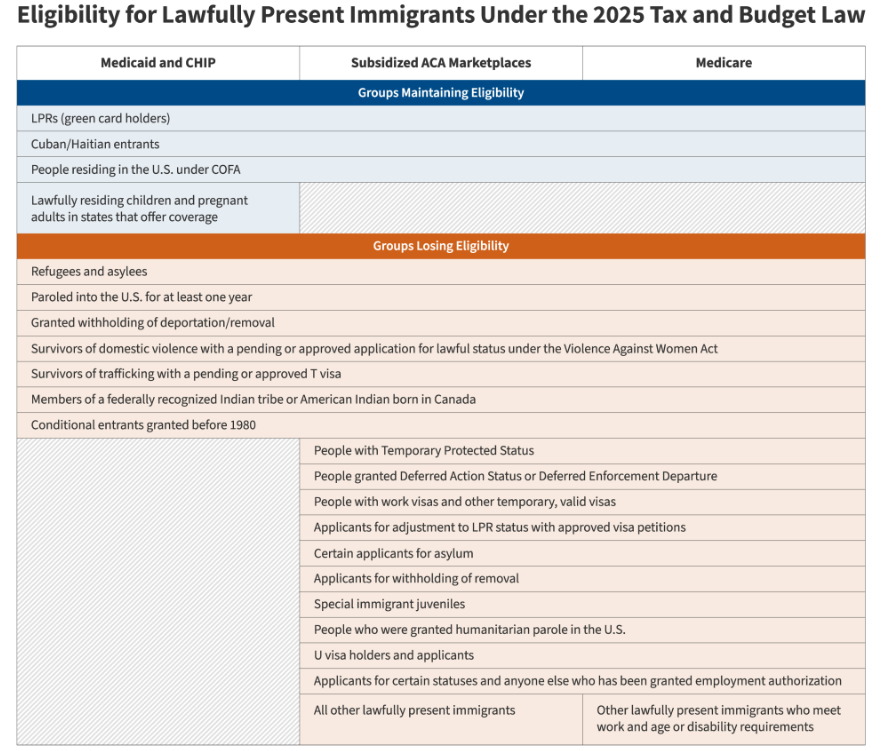
    On July 4, President Trump signed the budget reconciliation bill, previously known as the “One Big Beautiful Bill Act,” into law. This summary provides background, description, budgetary impact and related information on the health care provisions of the law in four categories: Medicaid, the Affordable Care Act, Medicare and Health Savings Accounts (HSAs).

  • Disparities in Access to Air Conditioning And Implications for Heat-Related Health Risks

    Issue Brief

    This analysis examines disparities in access to air condition and their implications. It shows Asian-, Black-, and Hispanic-led households are more likely to report not having an air conditioning unit in their home compared to White households. Lower income households also are more likely than higher-income households to report this and other challenges.

  • Racial and Ethnic Health Disparities: Potential Implications of the Election

    Issue Brief

    Former President Trump and Vice President Harris have taken widely different stances and approaches on recognizing and addressing racial and ethnic disparities. These differences can be seen across areas of health care, including health coverage, reproductive and maternal health, and immigrant health and well-being and are likely to have important implications for future efforts to address health disparities.

  • Five Key Facts About People Experiencing Homelessness

    Issue Brief

    This data note reviews trends in homelessness and characteristics of people who are homeless using data from HUD’s Point-in-Time (PIT) count of sheltered and unsheltered people experiencing homelessness.

  • Understanding the Diversity in the Asian Immigrant Experience in the U.S.

    Poll Finding

    Asian immigrants represent an important significant and growing share of the U.S. population, as well as a diverse body of experiences. Increased data on Asian immigrant experiences is important for understanding their diversity of experiences and focusing initiatives, policies, and resources to address the challenges they face.