Public Opinion

THE MIDTERMS

KFF Health Tracking Poll: MAHA and the Midterms

Chemical food additive and pesticide concerns associated with the Make America Health Again (MAHA) movement are shared broadly across the public. But when it comes to voters, health care costs are a higher priority and bigger motivator, even among MAHA supporters, a new KFF Health Tracking Poll finds. When asked to identify their most important health priority for government to address, far more MAHA-supporting voters identify lowering the cost of health care (42%) than other issues more closely associated with the movement.

For more on this topic, read KFF Founding President and CEO Dr. Drew Altman's new Beyond the Data column: There Are Many MAHAs.

Poll: Health Care Costs and the Midterms

Health care costs continue to top the public’s list of affordability worries, even as concerns about gas prices have risen in recent weeks, with two-thirds of the public expressing worry over affording health care costs.

Americans’ Challenges with Health Care Costs

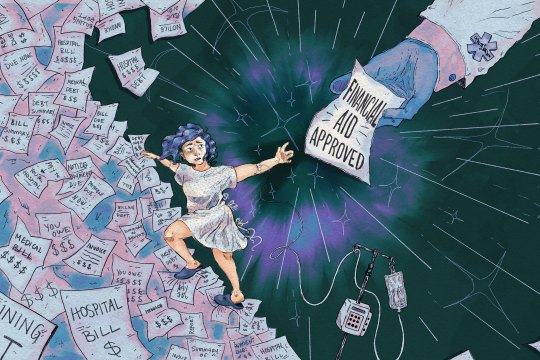
This data note reviews our recent polling data that finds that many Americans struggle to afford many aspects of health care, including disproportionate shares of uninsured adults, Black and Hispanic adults and those with lower incomes.

Health Information and Trust

Dashboard: Polling on Health Information and Trust

Drawing on KFF’s poll findings, this interactive dashboard tracks the public’s trusted sources for health information, attitudes toward vaccines, and use of news, social media, and AI for health-related information.

Recent Polls

Public Views on Foreign Aid and Global Health

This poll finds that less than half of the public now wants the U.S. to play at least a major role in improving the health of people in developing countries. When asked about the administration’s changes to foreign aid and global health, more people perceive a negative impact than a positive one.

Knowledge and Views of Medication Abortion

This KFF Health Tracking Poll finds that many, including women of reproductive age, remain unfamiliar with key facts about mifepristone. Fewer than half of all adults say they believe abortion pills are safe now, compared to over half of all adults two years ago. This poll explores awareness and perception of the recent FDA review of the medication, and support for policies aimed at restricting it.

KFF/New York Times Survey of Immigrants

KFF-New York Times Survey: Immigrants Report Rising Fear, Negative Economic and Health Impacts, and Changing Political Views During the First Year of President Trump’s Second Term

The 2025 Survey of Immigrants, a partnership between KFF and The New York Times, takes an in-depth look at the experiences of immigrants during the first year of President Trump’s second term, including their worries related to increased immigration enforcement, their health and economic wellbeing, and the political views and preferences of immigrant voters. The survey paints a portrait of families under strain — where fear of detention and economic instability are negatively impacting immigrants’ health and reshaping immigrant families’ daily lives and views of U.S. political parties.

Read the News Release | Explore The New York Times’ Reporting

the essentials

Health Tracking Poll

Our signature survey project provides up-to-date data on the public’s health care views, knowledge, and experiences.

Tracking the Public’s Views on the ACA

Tracking the Public’s Views on the ACA

This interactive tool tracks public opinion on the Affordable Care Act, from the inception of the law to the present, including trends based on party identification, income, age, gender, and race/ethnicity.

Health Information and Trust Tracking Poll

The Health Information and Trust Tracking Poll is part of KFF’s Health Information and Trust Initiative, which tracks health misinformation and analyzes its impact on the public.

Polls in Health Policy

This chapter of our digital “textbook” explores why surveys are essential for understanding health policy issues. 

Subscribe to KFF Emails

Choose which emails are best for you.
Sign up here

Filter

391 - 400 of 1,840 Results

  • In Their Own Words: What People are Saying about Getting a COVID-19 Vaccine

    News Release

    As the country broadens COVID-19 vaccine distribution efforts, the latest research from the KFF COVID-19 Vaccine Monitor finds that side effects, including allergic reactions and long-term consequences, are the public’s top concern about getting vaccinated when asked to describe what worries them in their own words. The latest report from the KFF COVID-19 Vaccine Monitor summarizes the public’s response to a series of open-ended questions aimed at better understanding people’s concerns around receiving a COVID-19…

  • Vaccine Monitor: Where People are Getting Information About COVID-19 Vaccinations

    News Release

    Additional Data Available Through Online Vaccine Monitor Dashboard As vaccination efforts ramp up across the country, the KFF COVID-19 Vaccine Monitor examines where the public is getting its relevant information. Large shares of the public report that they are getting at least a fair amount of vaccine information from television news, including cable (43%), network (41%) and local (40%) television, and from friends and family (40%). Somewhat fewer get at least a fair amount of…

  • Nearly 6 in 10 Older Americans Don’t Know When or Where They Can Get a COVID-19 Vaccine; Black and Hispanic Adults among the Groups Least Likely to Have Enough Information

    News Release

    Despite Optimism about COVID-19 Vaccines in the Future, Half Say They are Frustrated with the Current Situation and Nearly a Quarter are Angry While older Americans are a high-priority group for getting a COVID-19 vaccine, the latest KFF COVID-19 Vaccine Monitor report finds that, among those who have not yet been vaccinated, most people ages 65 and older say they do not have enough information about when (58%) and where (59%) they will be able to get…

  • KFF COVID-19 Vaccine Monitor: January 2021

    Report

    This KFF COVID-19 Vaccine Monitor report shows nearly half of the public now wants to get a vaccine as soon as possible, reflecting a rise in enthusiasm across racial and ethnic groups since December. It also examines information needs, worries about the vaccine, effective messages and views of vaccine distribution.

  • Most Hispanic Adults Lean Towards Getting a COVID-19 Vaccine, But Many Younger Adults are Hesitant

    News Release

    A new analysis of KFF COVID-19 Vaccine Monitor survey data finds that most Hispanic adults across the country want to get a COVID-19 vaccine at some point though younger adults are more hesitant, in part because of lower confidence that it is safe and effective. Overall a quarter (26%) of Hispanic adults say they will get a COVID-19 vaccine “as soon as possible” and an additional 43% say they will “wait until it has been…

  • Vaccine Hesitancy Among Hispanic Adults

    Poll Finding

    Based on data from the KFF COVID-19 Vaccine Monitor, this poll finding explores attitudes among Hispanic Americans toward the coronavirus and a generational gap in willingness to get a potential vaccine.

  • January 14 Web Event: A Shot in the Arm For Long-Term Care Facilities? Early Lessons from the COVID-19 Vaccine Rollout to High Priority Populations

    Event Date:
    Event

    With the pandemic taking a heavy toll among older Americans, the Centers for Disease Control and Prevention and most states have placed a high priority on vaccinating residents and staff of long-term care facilities. People in nursing homes and other long-term care settings account for 6 percent of cases but 38 percent of deaths from COVID-19, a share that has remained largely consistent throughout the pandemic, according to KFF’s updated analysis. KFF held an interactive…

  • The Challenge Of Vaccine Hesitancy In Rural America

    From Drew Altman

    In his latest Axios column, Drew Altman looks at the challenge of vaccine hesitancy in rural America and its implications. One of them: a highly tailored outreach campaign is needed. “Addressing this hesitancy will require convincing rural Americans about the seriousness of the pandemic, and then that the vaccine is a way to protect them, their families and their way of life,” he said.

  • Analysis: Rural Residents Stand Out as One of the Most Hesitant Groups to Get a COVID-19 Vaccine and Pose Special Challenges for the Mass Vaccination Efforts

    News Release

    A new analysis of KFF COVID-19 Vaccine Monitor survey data finds that residents of rural America stand out as one of the groups most hesitant to get a COVID-19 vaccine and that their views about the pandemic could pose significant challenges for the nation’s mass vaccination effort. About a third (35%) of people living in rural areas say they probably or definitely would not get a COVID-19 vaccine that had been deemed safe and effective…

  • Vaccine Hesitancy in Rural America

    Poll Finding

    Based on data from the KFF COVID-19 Vaccine Monitor, this poll finding explores attitudes among rural Americans toward the coronavirus and willingness to get a potential vaccine.