Health Costs

Health Care Affordability

Trump Has No Health Plan, He Has the Art of the Health Care Deal

Trump Has No Health Plan, He Has the Art of the Health Care Deal

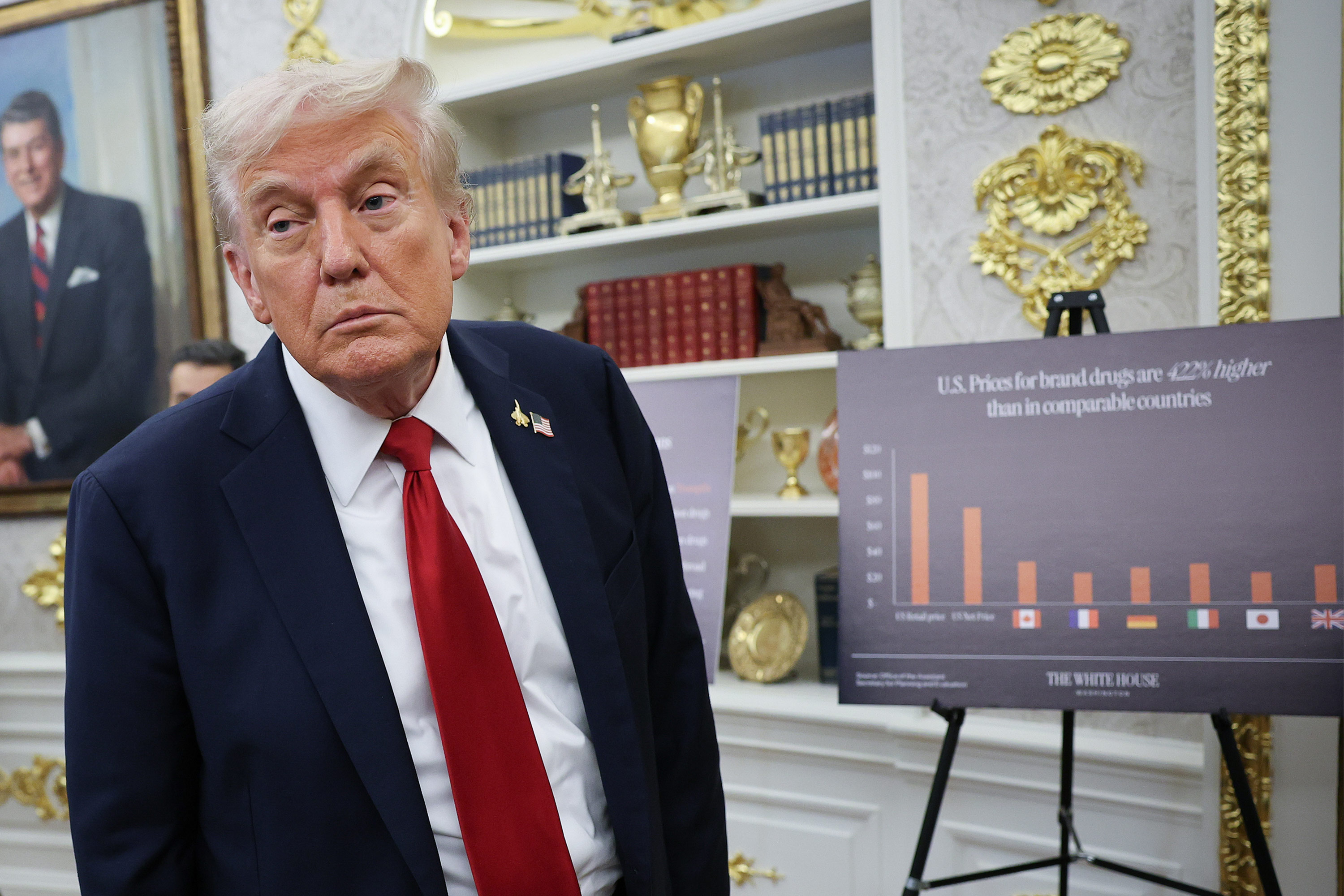
KFF CEO Dr. Drew Altman analyzes President Trump’s “make a deal” approach to health care. He explains that while the president doesn’t have a health reform plan, or even “concepts of a plan,” or a replacement for the ACA, he does have a distinctive set of tactics that features one-off deals with the health care industry that are more like “health policy by transaction.” He writes that the deals “even do some good,” but “don’t change the long-term incentives of health care companies that participate in the deals,” and a big question is “whether they have staying power.”

Affordable Care Act

Updated Larry QT on ePTCs

There is No Drop-Dead Date for an ACA Tax Credit Extension, But Coverage Losses Will Mount as the Clock Ticks

While the Affordable Care Act’s enhanced premium tax credits expired at the end of 2025, there is no absolute drop-dead date for extending them. An extension could happen even after the deadline to sign up for coverage and be made retroactive to January 1. Open enrollment could also be extended to allow people time to change their plans or allow new people to sign up. ACA enrollees would welcome premium relief whenever it comes, explains KFF's Larry Levitt.

Policy Changes Bring Renewed Focus on High-Deductible Health Plans 

Policy changes, anticipated increases in premium costs for enrollees, and new standards for health savings accounts may encourage consumers to seek out plans with lower premiums but higher deductibles. This issue brief explores the features of bronze and catastrophic plans, coverage and costs, and the complicated choices consumers face.

KEY RESOURCES
  • Health Policy 101: Costs and Affordability

    This Health Policy 101 chapter explores trends in health care costs in the U.S. and the factors that contribute to this spending. It also examines how health care spending varies and the impact on affordability and people's overall financial vulnerability.  


  • Americans’ Challenges with Health Care Costs

    This data note reviews our recent polling data that finds that Americans struggle to afford many aspects of health care, including disproportionate shares of uninsured adults, Black and Hispanic adults and those with lower incomes.

  • National Health Spending Explorer

    This interactive Peterson-KFF Health System Tracker tool allows users to examine five decades worth of data on health expenditures by federal and local governments, private insurers, and individuals.

  • Polling on Prescription Drugs and Their Prices

    This chart collection draws on recent KFF poll findings to provide an in-depth look at the public’s attitudes toward prescription drugs and their prices. Results include Americans’ opinions on drug affordability, pharmaceutical companies, and various potential measures that could lower prices.

Subscribe to KFF Emails

Choose which emails are best for you.
Sign up here

Filter

831 - 840 of 1,543 Results

  • Visualizing Health Policy: Medicare Spending: A Look at Present, Short-Term and Long-Term Trends

    Other

    This Visualizing Health Policy infographic with the Journal of the American Medical Association (JAMA) provides an overview of Medicare spending trends in the present, short term and long term. In the long term, Medicare spending as a share of the economy is projected to grow, and Medicare is projected to lack sufficient funds to pay all hospital bills beginning in 2030.

  • Kaiser Health Policy Tracking Poll: December 2014

    Feature

    With many of the Affordable Care Act’s (ACA) major provisions taking effect this past year, the December Kaiser Health Tracking Poll finds that many Americans are aware of the main parts of the law and, with the exception of the individual mandate, at least 6 in 10 feel favorably towards them. The poll finds the vast majority of the uninsured don’t know the deadline to enroll, most expect to get health insurance in the next few months, and nearly two-thirds say they don’t think they’ll have to pay a fine, or don’t know if they will, for not having coverage this year.

  • How Much of the Medicare Spending Slowdown Can be Explained? Insights and Analysis from 2014

    Issue Brief

    This paper identifies and quantifies, to the extent possible, the factors that explain the gap between actual Medicare spending in 2014 and CBO's 2009 projections of what Medicare spending would be this year. The study synthesizes information from a variety of sources and presents new analysis to assess the extent to which lower-than-projected Medicare spending in 2014 can be explained by deliberate policy and program changes, unexpected trends, and other factors.

  • What Drives Spending and Utilization on Medicaid Drug Benefits in States?

    Issue Brief

    With the approval of new specialty drugs, such as the Hepatitis C treatments Sovaldi and Harvoni, states are mindful that the cost the Medicaid prescription drug benefit could increase. To achieve savings, and improve management and health outcomes, it is important to understand which drugs are most frequently prescribed and which drive spending. Using state drug utilization data provided through the Medicaid Drug Rebate Program, as well as an industry drug database, this issue brief examines trends in prescriptions and spending before rebates, and places findings in the context of policy discussion.

  • Our Fragmented Approach to Health-Care Costs

    From Drew Altman

    In his latest column for The Wall Street Journal's Think Tank, Drew Altman discusses this week's Centers for Medicare and Medicaid Services report on health spending and assesses the current effort to control health-care costs.

  • Assessing the Performance of the U.S. Health System

    Issue Brief

    Health spending growth has consistently outpaced U.S. economic growth and is higher than medical spending in other wealthy countries. Despite spending more, the United States doesn't have better health outcome in terms of life expectancy, mortality rates and other measures. This brief provides an overview of trends in health costs and the performance of the U.S. health system, including comparisons to countries from the Organisation for Economic Co-operation and Development (OECD). The brief charts growth in the nation's per capita health spending along with the recent slowdown, touching on the roles of expanded Medicaid eligibility, increases in Medicare beneficiaries and the Affordable Care Act (ACA). Additionally, it discusses the health system's effectiveness and capacity to provide services, including the accessibility and affordability of care.

  • How do mortality rates in the U.S. compare to other countries?

    Feature

    This slideshow compares mortality rates in the United States and other industrialized countries for seven major causes of death. The data show that U.S. mortality rates for circulatory diseases and cancer have fallen in the past 30 years, driving a decline in the nation's overall rate. However, mortality rates for leading causes of death other than cancer are higher in the United States than the average for comparable countries.