Affordable Care Act

ACA Open Enrollment

9 Things to Watch for the 2027 ACA Open Enrollment Period

9 Things to Watch for the 2027 ACA Open Enrollment Period 

ACA Marketplace Open Enrollment is here—and this year comes with major changes. Marketplace premiums are up 13% on average, more insurers are leaving the Marketplaces than entering, and there is narrower eligibility for health insurance subsidies. Learn more about what to watch.
Health Insurance Marketplace Calculator

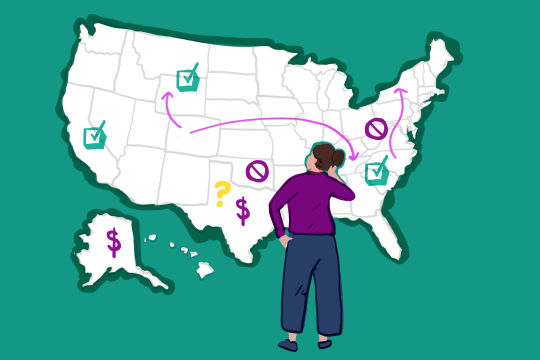
The Health Insurance Marketplace Calculator, updated with 2027 premium data, provides estimates of health insurance premiums and subsidies for people purchasing insurance on their own in health insurance exchanges (or “Marketplaces”) created by the Affordable Care Act (ACA).

About the ACA

Promotional image for KFF video How Affordable is the Affordable Care Act

Did the Affordable Care Act Make Health Care More Affordable?

The expiration of the ACA’s enhanced premium tax credits at the start of 2026, combined with rising insurer premiums, put a spotlight on health care affordability that extends beyond Marketplace enrollees. KFF’s Cynthia Cox examines the ACA’s record and the broader underlying question it raises: what’s a fair price for Americans people to pay for health care?

Stay informed.

Stay informed.

Filter

971-980 of 2,431 results

  • Outreach and Enrollment Strategies for Reaching the Medicaid Eligible but Uninsured Population

    Issue Brief

    This brief identifies a range of successful strategies to reach and enroll Medicaid- and CHIP-eligible individuals as well as options to facilitate renewals. It draws on a collection of previous work examining state enrollment experiences after implementation of the ACA. In sum, it shows that states that have achieved enrollment success have embraced an array of strategies and approaches that include promoting the expansion through strong leadership and collaboration, implementing broad marketing and outreach campaigns,…

  • How has the ACA Medicaid Expansion Affected Providers Serving the Homeless Population: Analysis of Coverage, Revenues, and Costs

    Issue Brief

    To further understand how the first full year of Medicaid expansion has affected patients who are homeless and the providers who care for them, this analysis uses data from the Uniform Data System (UDS) for health centers to examine changes in insurance coverage, revenues and costs among Health Care for the Homeless (HCH) projects serving the homeless population.

  • Opportunities and Resources to Expand Enrollment During the Pandemic and Beyond

    Issue Brief

    This analysis summarizes recent interviews with marketplace navigators and other consumer assistance professionals, who offered observations about the 2021 Open Enrollment period, discussed general and pandemic-specific challenges facing consumers seeking coverage, and offered suggestions to improve enrollment outcomes. The brief also reviews information about federal marketplace resources and spending priorities contained in Trump Administration budget documents, and possible sources of funding for a COVID-19 special enrollment period during the Biden administration. 

  • Consumer Assistance in Health Insurance: Evidence of Impact and Unmet Need

    Issue Brief

    The Affordable Care Act (ACA) established in-person consumer assistance programs to help people identify coverage options and enroll. A variety of professionals provide consumer assistance, including Navigator programs that are funded through state and federal marketplaces, brokers who receive commissions from insurers, local non-profit organizations, and health care providers. In the spring of 2020, KFF surveyed consumers most likely to use or benefit from consumer assistance to learn who uses consumer assistance, why they seek…

  • COVID-19, Mental Health, and the 2020 Election: A Review of Candidate Platforms

    Issue Brief

    This brief examines where the candidates stand on four key aspects of the nation’s mental health and substance abuse challenges: the opioid epidemic, suicide rates, mental health parity, and mental health workforce. On each issue, the brief summarizes the policy positions of President Trump and former Vice President Joe Biden.

  • Health Spending for 60-64 Year Olds Would Be Lower Under Medicare Than Under Large Employer Plans

    Issue Brief

    During the presidential campaign, President Biden proposed to lower the age of Medicare eligibility from 65 to 60. This analysis uses claims data for covered medical services from both large employer plans and traditional Medicare to illustrate the potential spending effects of using Medicare payment rates in lieu of higher rates paid by employer plans for people 60-64 who shift from large employer plans to Medicare.

  • What Are Some Policy Options for Reaching the 2.2 Million Uninsured People in the ACA’s “Coverage Gap”?

    News Release

    A new KFF issue brief explores several potential policy options that would help close the Affordable Care Act’s "coverage gap," including providing further new incentives for states to expand Medicaid, creating a new "public option" or extending ACA Marketplace premium subsidies to low-income people who don’t currently qualify for federal help. At stake is affordable health coverage for 2.2 million uninsured people with incomes below the federal poverty level ($12,880 annually for an individual in…