Affordable Care Act

ACA Open Enrollment

9 Things to Watch for the 2027 ACA Open Enrollment Period

9 Things to Watch for the 2027 ACA Open Enrollment Period 

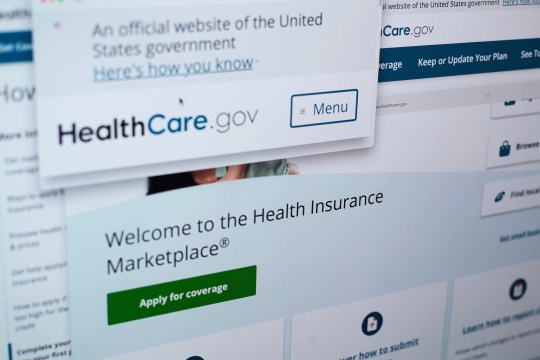
ACA Marketplace Open Enrollment is here—and this year comes with major changes. Marketplace premiums are up 13% on average, more insurers are leaving the Marketplaces than entering, and there is narrower eligibility for health insurance subsidies. Learn more about what to watch.


Health Insurance Marketplace Calculator

The Health Insurance Marketplace Calculator, updated with 2027 premium data, provides estimates of health insurance premiums and subsidies for people purchasing insurance on their own in health insurance exchanges (or “Marketplaces”) created by the Affordable Care Act (ACA).

About the ACA

Promotional image for KFF video How Affordable is the Affordable Care Act

Did the Affordable Care Act Make Health Care More Affordable?

The expiration of the ACA’s enhanced premium tax credits at the start of 2026, combined with rising insurer premiums, put a spotlight on health care affordability that extends beyond Marketplace enrollees. KFF’s Cynthia Cox examines the ACA’s record and the broader underlying question it raises: what’s a fair price for Americans people to pay for health care?

Stay informed.

Stay informed.

Filter

851-860 of 2,431 results

  • Web Briefing for Journalists – ACA Cost-Sharing Subsidies: How One Decision Could Disrupt Obamacare Marketplaces

    Event Date:
    Event

    Premiums, insurer choice, and overall stability of 2018 Affordable Care Act (ACA) marketplaces could be affected by decisions from Congress and the Trump Administration on the health law’s cost-sharing reduction provision. With a legal appeal pending on a lawsuit from the U.S. House, the federal government and Congress are in a position to choose whether to continue reimbursing insurers for the subsidies, which were established as part of the ACA to reduce out-of-pocket costs for…

  • Key Questions About Medicaid Block Grants

    News Release

    As policymakers in Washington discuss Affordable Care Act repeal and a possible block grant for Medicaid, a new issue brief from the Kaiser Family Foundation lays out key questions to consider in restructuring federal financing of the nation’s health insurance program for low-income Americans. Capping federal funding for Medicaid through a block grant or a per capita cap financing system would make federal spending more predictable and achieve federal budget savings. It also could be structured…

  • Analysis: Insurer Financial Indicators Show Signs of Stabilizing After Transition to ACA Marketplaces

    News Release

    A new Kaiser Family Foundation analysis of key insurer financial indicators suggests that the individual insurance market showed signs of stabilizing in 2016, although profitability remained below the level of performance prior to the opening of the Affordable Care Act’s insurance marketplaces. The new analysis tracks insurer financial performance in the individual market through two key indicators: average medical loss ratios (the share of health premiums paid out as claims) and average gross margins per…

  • Federal Government Could See Net Increase of $2.3 Billion in Costs in 2018 if ACA Cost-Sharing Reduction Payments Eliminated

    News Release

    Ceasing payments for the Affordable Care Act’s (ACA) cost-sharing reduction program could save $10 billion, but cost an additional $12.3 billion in premium tax credits – an estimated net increase of $2.3 billion, or 23 percent, in federal spending on marketplace subsidies – in 2018, if insurers continue to participate in ACA marketplaces, according to a new analysis from the Kaiser Family Foundation. The cost-sharing subsidies, established to reduce out-of-pocket costs for ACA marketplace enrollees…

  • Kaiser Health Tracking Poll – Late April 2017: The Future of the ACA and Health Care & the Budget

    Report

    With the ongoing debate about the future of the Affordable Care Act (ACA), the latest tracking poll examines the public awareness of and attitudes about some recent developments related to the 2010 health care law, including uncertainty about cost-sharing reduction payments and insurers opting out of some health insurance marketplaces. The poll also takes a look at Americans’ budget and health care priorities.

  • Poll: Majority Opposes Hard-Ball Negotiating Tactics to Replace the Affordable Care Act, But Republicans Support It

    News Release

    Somewhat More Want President Trump and Republicans to Continue Working on ACA Repeal and Replace than Want Them to Move onto Other Priorities With President Trump and Congress continuing to discuss repealing and replacing the Affordable Care Act, a majority of the public opposes using hard-ball tactics as a way to force Democrats in Congress to negotiate a replacement, the latest Kaiser Health Tracking Poll finds. President Trump recently suggested that his administration and Congress…

  • Nearly 54 Million Americans Have Pre-Existing Conditions That Would Make Them Uninsurable in the Individual Market without the ACA

    News Release

    Almost Half of Non-Elderly Families have At Least One Adult with a Pre-Existing Condition An updated KFF analysis estimates that almost 54 million people – or 27% of all adults under 65 —have pre-existing health conditions that would likely have made them uninsurable in the individual markets that existed in most states before the Affordable Care Act. The share of adults under 65 with such declinable pre-existing conditions varies significantly across states, from at least…

  • Voters Aren’t Buying Trump’s Promises of a Health Care Plan

    From Drew Altman

    Drew Altman showcases new KFF polling on the public’s views of President Trump’s promise that he will have a “phenomenal” health care plan and protect Medicare, and analyzes what it means for health care politics.

  • 300+ FAQs Help Consumers Understand the ACA Marketplaces as Open Enrollment Begins

    News Release

    Ahead of the annual Affordable Care Act (ACA) open enrollment period, the time during which consumers can shop for health plans or renew existing coverage, KFF has updated and expanded its searchable collection of more than 300 Frequently Asked Questions about open enrollment, the health insurance marketplaces and the ACA. Designed to help consumers and the navigators, brokers and others who assist them, the FAQs cover a wide range of topics including eligibility for subsidies,…