Affordable Care Act

About the ACA

Promotional image for KFF video How Affordable is the Affordable Care Act

Did the Affordable Care Act Make Health Care More Affordable?

The expiration of the ACA’s enhanced premium tax credits at the start of 2026, combined with rising insurer premiums, put a spotlight on health care affordability that extends beyond Marketplace enrollees. KFF’s Cynthia Cox examines the ACA’s record and the broader underlying question it raises: what’s a fair price for Americans people to pay for health care?
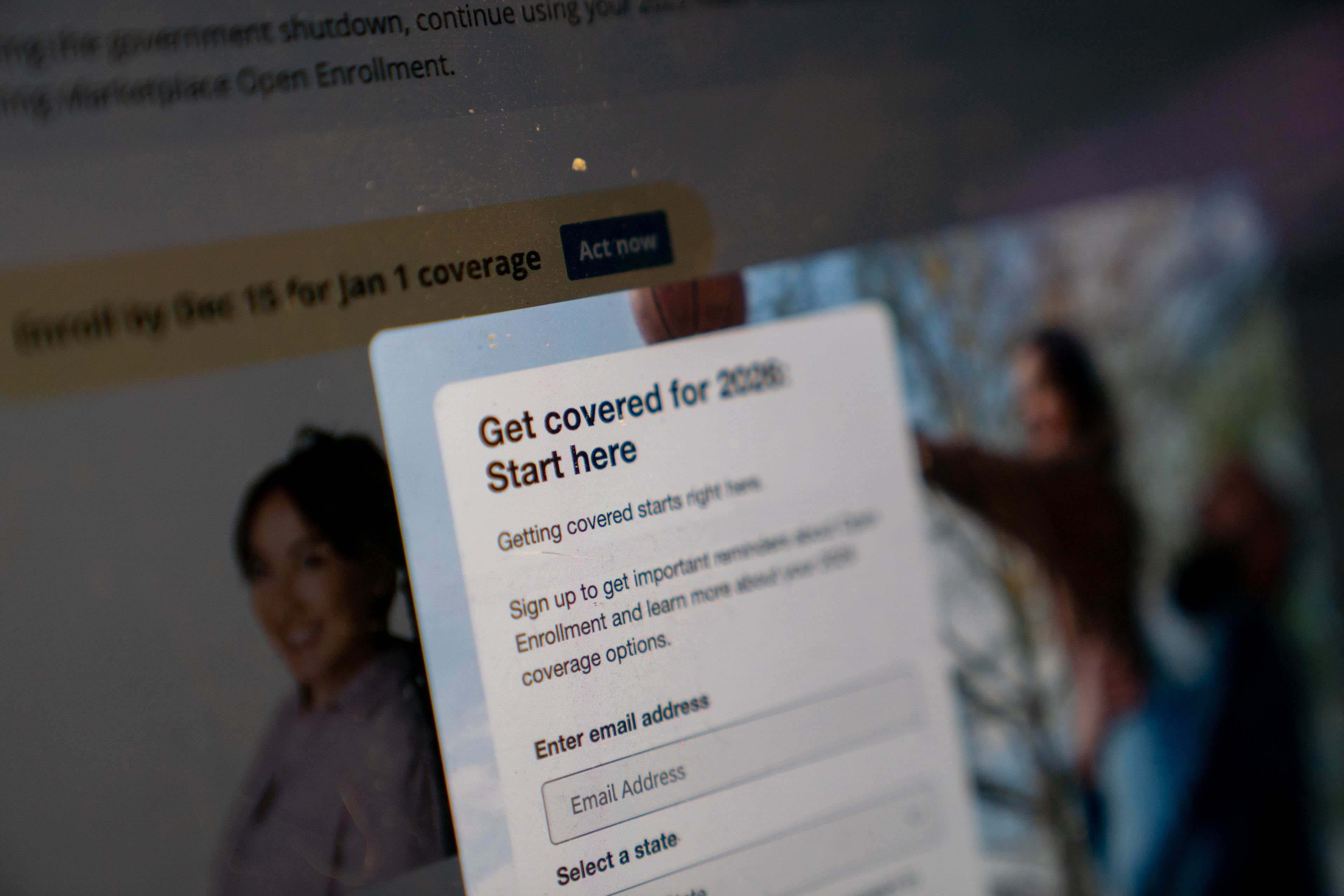

The ACA MarketplaceS

In Preliminary Rate Filings, ACA Marketplace Insurers Largely Propose Double-Digit Premium Increase For 2027, Following a Steep Climb This Year 

ACA Marketplace insurers are proposing a median premium increase of 14% for 2027— indicating a likely second consecutive year of double-digit increases, according to a new analysis of preliminary rate filings in 16 states and DC. If these increases hold, typical premiums for insurers participating in the ACA Marketplaces would jump by more than one-third between 2025 and 2027.

The Average Marketplace Deductible Grew by About $1,000 Per Person in 2026, With More Enrollees Shifting to Higher-Deductible Plans as Enhanced Tax Credits Expired

The average Affordable Care Act (ACA) Marketplace deductible experienced the steepest increase in history—growing by 37% or over $1,000, from $2,759 in 2025 to $3,786 in 2026 as enhanced premium tax credits expired, according to a new KFF analysis. After the enhanced tax credits ended, many Marketplace shoppers shifted toward lower-premium, higher-deductible plans.

Stay informed.

Stay informed.

Filter

771 - 780 of 2,782 Results

  • 2021 Health Insurance Marketplace Calculator

    Interactive

    The Health Insurance Marketplace Calculator, updated with 2021 premium data and to reflect subsidies in the American Rescue Plan Act of 2021, provides estimates of health insurance premiums and subsidies for people purchasing insurance on their own in health insurance exchanges (or “Marketplaces”) created by the Affordable Care Act (ACA). With this calculator, you can enter your income, age, and family size to estimate your eligibility for subsidies and how much you could spend on…

  • Lowering the Age of Medicare Eligibility Would Likely Reduce Health Spending for Employers, But Raise Costs for the Federal Government by Covering More People in Medicare

    News Release

    Two new KFF analyses find that lowering the age of Medicare eligibility from 65 to 60 could significantly reduce health spending for employers, who could potentially pass savings to employees in the form of lower premiums or higher wages. Additionally, per person health spending for older adults who move from employer coverage on to Medicare would likely be lower, though such moves would shift costs to taxpayers and increase Medicare program expenditures overall. President Biden…

  • Health Spending for 60-64 Year Olds Would Be Lower Under Medicare Than Under Large Employer Plans

    Issue Brief

    During the presidential campaign, President Biden proposed to lower the age of Medicare eligibility from 65 to 60. This analysis uses claims data for covered medical services from both large employer plans and traditional Medicare to illustrate the potential spending effects of using Medicare payment rates in lieu of higher rates paid by employer plans for people 60-64 who shift from large employer plans to Medicare.

  • What Are Some Policy Options for Reaching the 2.2 Million Uninsured People in the ACA’s “Coverage Gap”?

    News Release

    A new KFF issue brief explores several potential policy options that would help close the Affordable Care Act’s "coverage gap," including providing further new incentives for states to expand Medicaid, creating a new "public option" or extending ACA Marketplace premium subsidies to low-income people who don’t currently qualify for federal help. At stake is affordable health coverage for 2.2 million uninsured people with incomes below the federal poverty level ($12,880 annually for an individual in…

  • Filling the Coverage Gap: Policy Options and Considerations

    Issue Brief

    This issue brief examines some of the other options policymakers may consider to extend coverage to people in the gap, including increased fiscal incentives for states, a narrower public option, and making people with incomes below the poverty level eligible for enhanced ACA premium subsidies.

  • Private Insurers Are Expected to Pay $2.1 Billion in Rebates to Consumers This Year for Excessive Health Insurance Premiums Relative to Health Care Expenses

    News Release

    Private insurance companies are expecting to pay out $2.1 billion in rebates to consumers this fall, the second highest amount ever issued under the Affordable Care Act, according to a new KFF analysis. The rebates, which are calculated based on the share of premium revenues that insurance companies paid out for health care expenses and quality improvement, are roughly $400 million lower than last year’s record high of $2.5 billion, but more than 50 percent…

  • Analysis Estimates 5.1 Million People Fall into the Affordable Care Act’s “Family Glitch”

    News Release

    A new KFF analysis estimates 5.1 million people nationally fall into the Affordable Care Act’s “family glitch” that occurs when a worker receives an offer of affordable employer coverage for themselves but not for their dependents, making them ineligible for financial assistance for marketplace coverage. The so-called glitch occurs because the ACA prohibits people with an offer of affordable employer coverage from purchasing subsidized coverage through the ACA marketplace. Under current rules, the affordability of…

  • The ACA Family Glitch and Affordability of Employer Coverage

    Issue Brief

    This analysis estimates that 5.1 million people fall into the Affordable Care Act's "family glitch," which occurs when a worker receives an offer of affordable employer coverage for themselves but not for their dependents, making them ineligible for financial assistance for marketplace coverage. It explores the demographic characteristics of this group, including state-level estimates.

  • Declines in Uncompensated Care Costs for The Uninsured under the ACA and Implications of Recent Growth in the Uninsured Rate

    Issue Brief

    The increase in the uninsured rate in recent years, as well as loss of coverage during the pandemic, has led to attention on the consequences of being uninsured. The need for medical care to test, treat, or prevent COVID-19 has also highlighted the potential consequences of uncompensated care for uninsured people. Uncompensated care costs occur because, although people who are uninsured use less care than people with coverage, most who are uninsured have limited income…