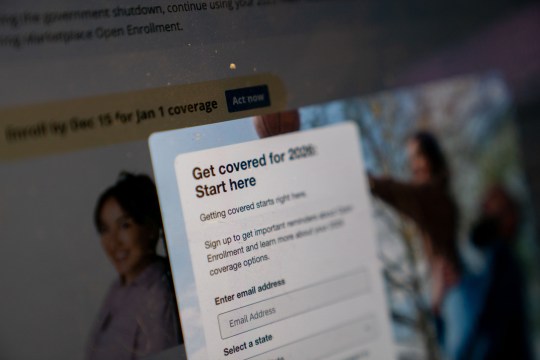
Affordable Care Act

The ACA MarketplaceS

Change in February effectuated enrollment, by state, 2025-2026

How Has ACA Marketplace Enrollment Changed Across States in 2026?

ACA Marketplace enrollment fell this year in every state except New Mexico, which was the only state to fully replace the enhanced premium tax credits that expired last year with a state-funded subsidy, according to a new KFF analysis of effectuated enrollment data. The Marketplace enrollment decline—the first in seven years—follows several years of rapid enrollment growth and coincides with the end of the enhanced federal subsidies.


How Much and Why ACA Marketplace Premiums Are Going Up in 2027

ACA Marketplaces insurers are proposing a median premium increase of 15% in 2027, according to KFF’s updated analysis of 276 insurers with publicly available filings across all 50 states and the District of Columbia. This is the second consecutive year of double-digit premium hikes. Last year’s median nationwide proposed rate change was 18%, and the median finalized rate change was 20%. While this proposed rate change is lower than last year, it represents the second-highest requested rate change since 2018, as premium growth had been relatively flat in this market for several years.

About the ACA

Promotional image for KFF video How Affordable is the Affordable Care Act

Did the Affordable Care Act Make Health Care More Affordable?

The expiration of the ACA’s enhanced premium tax credits at the start of 2026, combined with rising insurer premiums, put a spotlight on health care affordability that extends beyond Marketplace enrollees. KFF’s Cynthia Cox examines the ACA’s record and the broader underlying question it raises: what’s a fair price for Americans people to pay for health care?

Stay informed.

Stay informed.

Filter

561 - 570 of 2,787 Results

  • Analysis of 2015 Premium Changes in the Affordable Care Act’s Health Insurance Marketplaces

    Issue Brief

    This analysis provides an early look at premium changes for individuals in the health insurance marketplaces, created under the Affordable Care Act (ACA), in major cities across 15 states plus DC. Although premium changes vary across and within states, premium changes for 2015 in general are modest when looking at low-cost plans. On average, individuals will pay slightly less in premiums for the benchmark silver plan in 2015 than in 2014.

  • KFF Health Tracking Poll – May 2020

    Report

    This poll examines people's views on the coronavirus (COVID-19) outbreak as many states begin to re-open their states and the economy, including their expectations, experiences and attitudes about the government responses heading into Summer 2020. It also assesses voters' views ahead of the presidential election in November.

  • Two New Analyses: House COVID-19 Relief Plan Would Temporarily Lower Marketplace Premiums for Millions and More than Offset Short-Term State Costs to Expand Their Medicaid Programs

    News Release

    The House COVID-19 relief proposal would temporarily lower what millions of Marketplace enrollees and uninsured potential enrollees would pay toward premiums and would provide states that have not expanded their Medicaid programs a financial boost that would more than offset their costs initially, two new KFF analyses find. The analyses assess two parts of the House plan aimed at expanding access to affordable health coverage by expanding the Affordable Care Act’s tax credits for people…

  • Over-the-Counter Oral Contraceptive Pills

    Issue Brief

    Oral contraceptives are the most commonly used method of reversible contraception in the U.S. In July 2023, the FDA approved Opill, the first daily oral contraceptive pill to become available over the counter (OTC) without a doctor’s prescription. This issue brief provides an overview of OTC oral contraceptives and laws and policies related to insurance coverage.

  • KFF Survey of Consumer Experiences with Health Insurance

    Poll Finding

    The survey finds nearly six in 10 people with health insurance experienced a problem using their insurance in the past year, with even larger shares reporting problems among people who are sick or who have mental health needs. It includes data for people with different types of coverage, including employer, Marketplace, Medicare and Medicaid, and also examines affordability issues and mental health access.

  • Consumer Survey Highlights Problems with Denied Health Insurance Claims

    Issue Brief

    This Data Note includes major findings from the KFF Consumer Survey on consumer experiences with claim denials. Among those who used the most health care over the past year, 27% experienced a denied claim. More consumers with private insurance experienced denied claims compared to Medicaid or Medicare.

  • 2025 Health Insurance Marketplace Calculator

    Feature

    The Health Insurance Marketplace Calculator, updated with 2025 premium data, provides estimates of health insurance premiums and subsidies for people purchasing insurance on their own in health insurance exchanges (or “Marketplaces”) created by the Affordable Care Act (ACA).

  • Latest Federal Data Show That Young People Are More Likely Than Older Adults to Be Experiencing Symptoms of Anxiety or Depression

    News Release

    Young adults in the United States continue to be more likely than their older counterparts to be experiencing symptoms of anxiety or depression, according to the latest federal data analyzed by KFF researchers. The analysis of the Census Bureau’s Household Pulse Survey finds that half (50%) of adults ages 18-24 reported anxiety and depression symptoms in 2023, compared to about a third of adults overall. The data also show that young adults are more likely…

  • Web Briefing: Understanding the Health Coverage and Affordability Provisions in the American Rescue Plan Act

    Event Date:
    Event

    The American Rescue Plan (ARP) Act signed into law earlier this month includes a number of provisions aimed at making health coverage more accessible and affordable amid the public health and economic crises created by the COVID-19 pandemic. Join KFF at a web briefing to explain these changes and their expected impact on consumers, insurance marketplaces, and states.