Affordable Care Act

Enhanced Premium tax credits

8 Things to Watch for 2026 ACA Open Enrollment

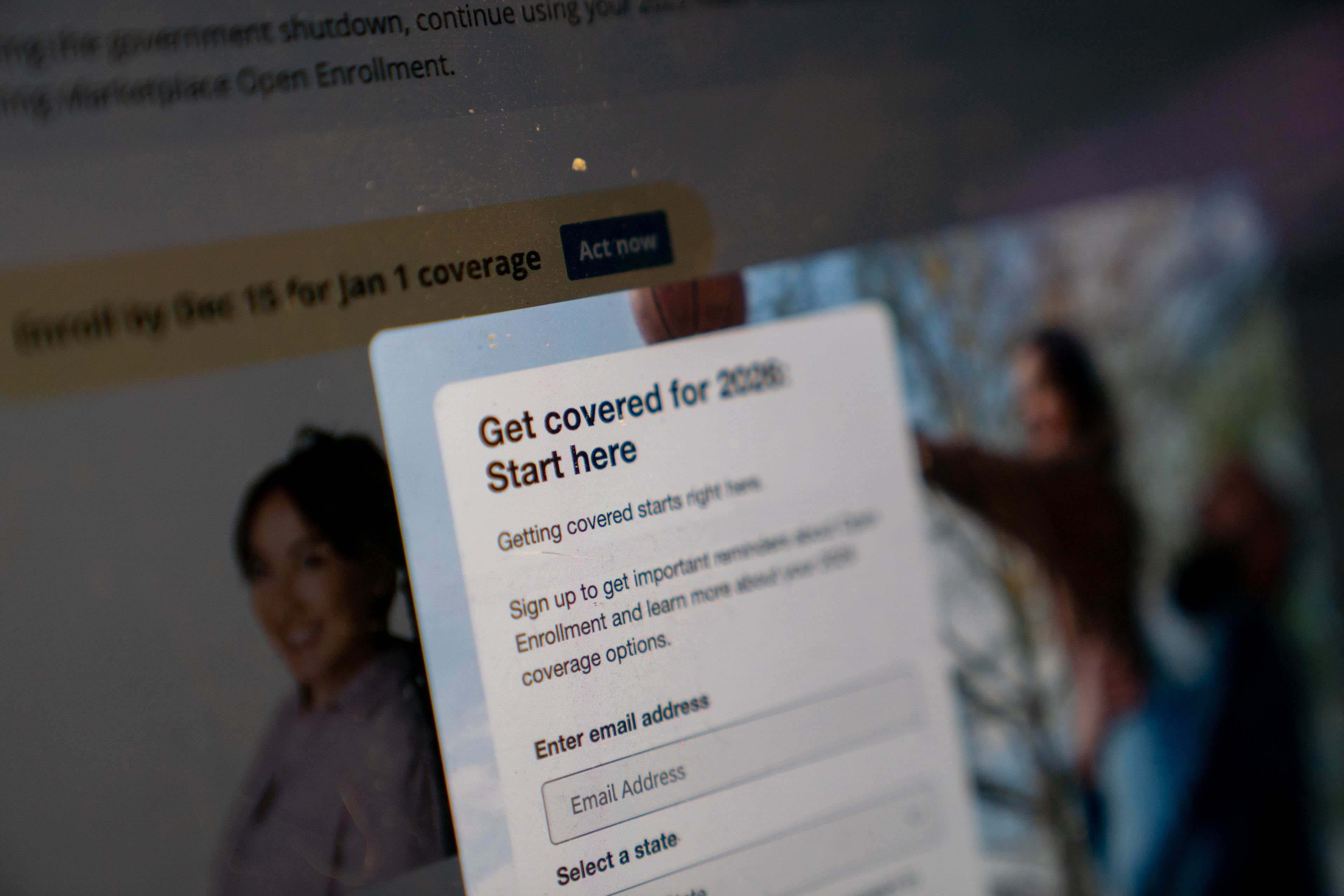
The ACA Marketplace Open Enrollment season begins November 1, and with it comes looming changes to the enhanced premium tax credits, increases in out-of-pocket premiums, and changes to Marketplace enrollment and eligibility rules.

Timely insights and analysis from KFF staff

Subscribe to KFF Emails

Choose which emails are best for you.
Sign up here

Filter

521 - 530 of 2,743 Results

  • Most Americans Report a Personal Connection to Those Who Have Abused Prescription Painkillers; Whites More Likely To Be Affected Than Blacks or Hispanics

    News Release

    Poll Finds 9% Say a Family Member or Close Friend Died of an Overdose; 27% Say Either They or Someone Close to Them Has Been Addicted On the ACA This Month, 45 Percent View the Law Unfavorably and 38 Percent View It Favorably With prescription painkiller abuse garnering more attention from the media and policymakers,…

  • Kaiser Health Tracking Poll: November 2015

    Feature

    As the problem of prescription painkiller abuse has captured greater attention from policymakers and the media, the November Kaiser Health Tracking Poll explores the public’s connection to and knowledge of the issue, as well as their views of how to address it. A surprising 56 percent of the public say they have some personal connection to the issue – either because they say they know someone who has taken a prescription painkiller that wasn’t prescribed to them, know someone who has been addicted, or know someone who has died from a prescription painkiller overdose. While views of the health care law have been narrowly divided for much of the year, this month more say they have an unfavorable view of the law than a favorable one. The poll also includes views of the uninsured during the third open enrollment period under the health care law.

  • The Role of Medicaid in State Economies and the ACA

    Issue Brief

    This brief summarizes findings from 32 studies in 26 states analyzing the anticipated impact of the Affordable Care Act Medicaid expansion (and in some cases full ACA implementation) on state and local economies.

  • State-by-State Estimates of the Number of People Eligible for Premium Tax Credits Under the Affordable Care Act

    Issue Brief

    Key provisions of the 2010 Affordable Care Act (ACA) create new Marketplaces for people who purchase insurance directly and provide new premium tax credits to help people with low or moderate incomes afford that coverage. This analysis estimates that about 17 million people who are now uninsured or who buy insurance on their own (“nongroup purchasers”) will be eligible for premium tax credits in 2014. This issue brief provides national and state estimates for tax credit eligibility for people in these groups.

  • Findings from the Field: Medicaid Delivery Systems and Access to Care in Four States in Year Three of the ACA

    Issue Brief

    Based on case studies and focus groups, this brief reviews delivery systems and access to care for Medicaid enrollees in Colorado, Connecticut, Kentucky, and Washington as of Spring 2016. The findings provide an on-the-ground view of Medicaid delivery systems and enrollees’ experiences accessing care three years after implementation of the Medicaid expansion. This brief builds on previous reports that examined states’ preparation for implementation prior to the initial ACA open enrollment period and their experiences after completion of the first and second open enrollment periods.

  • Health Insurance Market Reforms: Rate Review

    Fact Sheet

    Rate review is the process by which insurance regulators review health plans’ new or renewed rates for insurance policies in order to ensure that the rates charged are based on accurate, verifiable data and realistic projections of health costs.

  • Quantifying the Effects of Health Insurance Rate Review

    Report

    This report from the Kaiser Family Foundation analyzes the effect of government efforts to ensure that insurance premium increases are justifiable and provide value to consumers and small businesses.