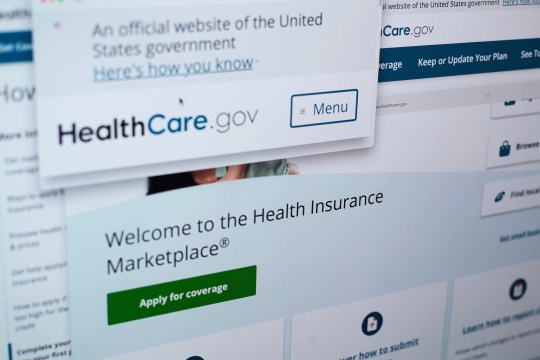
Affordable Care Act

ACA Open Enrollment

9 Things to Watch for the 2027 ACA Open Enrollment Period

9 Things to Watch for the 2027 ACA Open Enrollment Period 

ACA Marketplace Open Enrollment is here—and this year comes with major changes. Marketplace premiums are up 13% on average, more insurers are leaving the Marketplaces than entering, and there is narrower eligibility for health insurance subsidies. Learn more about what to watch.


Health Insurance Marketplace Calculator

The Health Insurance Marketplace Calculator, updated with 2027 premium data, provides estimates of health insurance premiums and subsidies for people purchasing insurance on their own in health insurance exchanges (or “Marketplaces”) created by the Affordable Care Act (ACA).

About the ACA

Promotional image for KFF video How Affordable is the Affordable Care Act

Did the Affordable Care Act Make Health Care More Affordable?

The expiration of the ACA’s enhanced premium tax credits at the start of 2026, combined with rising insurer premiums, put a spotlight on health care affordability that extends beyond Marketplace enrollees. KFF’s Cynthia Cox examines the ACA’s record and the broader underlying question it raises: what’s a fair price for Americans people to pay for health care?

Stay informed.

Stay informed.

Filter

401-410 of 2,431 results

  • Most Americans Say Federal and State Governments Are Not Doing Enough to Combat Prescription Painkiller and Heroin Abuse; Large Majorities Believe Wide Range of Strategies Would be Effective

    News Release

     As the White House and Congress continue to debate new funding and other actions to address the nation’s opioid epidemic, the latest Kaiser Health Tracking Poll finds that most Americans believe the federal government is not doing enough to combat the recent increases in the number of people who are addicted to prescription painkillers (66%) or heroin (62%). State governments fare no better in the public’s view, with similarly large shares saying they aren’t doing…

  • Poll: Democrats Like Both the Public Option and Medicare-for-all, But Overall More People Support the Public Option, Including a Significant Share of Republicans

    News Release

    Lowering Drug Costs and Maintaining Pre-existing Condition Protections Top Public’s Health Priorities for Congress With the first votes of the 2020 Democratic presidential primary season approaching, large majorities of Democrats – and most of the public overall – support both of the major approaches primary candidates have put forward to expand coverage and make health care more affordable, though a public option remains significantly more popular than Medicare-for-all, the latest KFF Health Tracking Poll finds.…

  • New Analysis Finds Out-of-Pocket Prescription Drug Spending Decreasing on Average, But More People Spending in Excess of $1,000 a Year

    News Release

    A new Kaiser Family Foundation analysis finds that average annual out-of-pocket prescription drug spending for workers and family members decreased from a recent high of $167 in 2009 to $144 in 2014. Most of the decline in out-of-pocket spending occurred between 2009 and 2012 and is likely due to generic substitution for popular drugs that lost patent protection. The decline in out-of-pocket-spending continued from 2012 to 2014 with nearly two-thirds of the decline during this…

  • Senate Health Bill Proposes Big Changes to Medicaid Beyond Repealing and Replacing the ACA

    News Release

    The Better Care Reconciliation Act (BCRA) under consideration in Congress includes provisions that would fundamentally change Medicaid by phasing out extra federal funding for states’ Medicaid expansions and for the first time limiting federal spending on Medicaid through a per enrollee cap on financing or a block grant for certain adults. While those measures account for most of the bill’s $756 billion reduction in federal Medicaid spending over the next decade, there are other big…

  • A Look at the Private Option in Arkansas

    Issue Brief

    Based on stakeholder interviews and early data on coverage, reduced uncompensated care costs, and other topics, this issue brief provides an initial look at implementation of Arkansas' Section 1115 Medicaid expansion demonstration waiver to require most adults newly eligible for Medicaid through the Affordable Care Act's Medicaid expansion to enroll in Marketplace plans.

  • Two Medicaid-Related Initiatives That Help Promote Long-Term Care at Home and in the Community, Rather Than in Institutions, Are Set To Expire at the End of December

    News Release

    Two initiatives that for years have helped shift Medicaid enrollees away from nursing homes in favor of long-term care at home and in the community face year-end deadlines that could undercut that trend, according to two new KFF issue briefs. While there does not appear to be substantive disagreement over the initiatives like there is with many other federal health programs, their expiration is coming at a time when Congress is engaged in a contentious…

  • What to Watch in the 2024 ACA Open Enrollment

    Policy Watch

    With the start of the 2024 Affordable Care Act open enrollment, the Marketplaces have been operating for a full decade and are heading into their eleventh year. This policy watch outlines changes to watch out for during 2024 Open Enrollment.

  • As Open Enrollment Begins, KFF’s Updated Subsidy Calculator and 300+ FAQs Demystify ACA Marketplaces

    News Release

    A recent KFF survey found one-in-three people with Marketplace coverage say it is somewhat or very difficult to find a plan that meets their needs. With ACA enrollment beginning November 1, KFF has updated its most-used Marketplace tools and published an explainer on key changes and issues to watch in this year’s open enrollment season. Tools for Open Enrollment>> KFF’s Health Insurance Marketplace Calculator provides estimates of 2024 health insurance premiums and subsidies for people…

  • Recent and Anticipated Actions to Reverse Trump Administration Section 1557 Non-Discrimination Rules

    Issue Brief

    The Biden Administration has started taking steps to reverse Trump Administration policy and regulations that significantly narrowed the implementation and administrative enforcement of Section 1557, the Affordable Care Act’s nondiscrimination provision, particularly as the regulations apply to gender identity and sexual orientation. In addition, several lawsuits challenging the regulations, which were initially issued by the Obama Administration and later substantially revised by the Trump Administration, are pending. Section 1557 prohibits discrimination based on race, color,…