Affordable Care Act

ACA Open Enrollment

9 Things to Watch for the 2027 ACA Open Enrollment Period

9 Things to Watch for the 2027 ACA Open Enrollment Period 

ACA Marketplace Open Enrollment is here—and this year comes with major changes. Marketplace premiums are up 13% on average, more insurers are leaving the Marketplaces than entering, and there is narrower eligibility for health insurance subsidies. Learn more about what to watch.

Health Insurance Marketplace Calculator

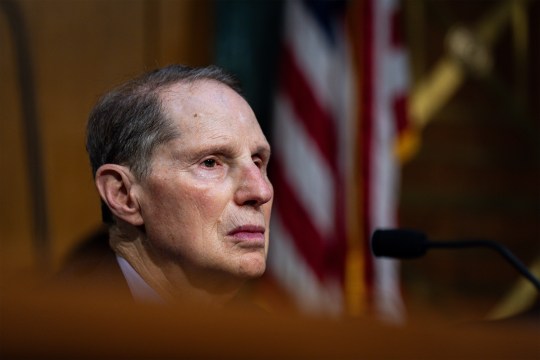
The Health Insurance Marketplace Calculator, updated with 2027 premium data, provides estimates of health insurance premiums and subsidies for people purchasing insurance on their own in health insurance exchanges (or “Marketplaces”) created by the Affordable Care Act (ACA).

About the ACA

Promotional image for KFF video How Affordable is the Affordable Care Act

Did the Affordable Care Act Make Health Care More Affordable?

The expiration of the ACA’s enhanced premium tax credits at the start of 2026, combined with rising insurer premiums, put a spotlight on health care affordability that extends beyond Marketplace enrollees. KFF’s Cynthia Cox examines the ACA’s record and the broader underlying question it raises: what’s a fair price for Americans people to pay for health care?

Stay informed.

Stay informed.

Filter

361-370 of 2,432 results

  • 2022 Calculadora del Mercado de Seguros Médicos

    Interactive

    Nota: Esta calculadora ha sido actualizada con los cambios a los subsidios en el American Rescue Plan Act de 2021 (el acta de alivio por COVID-19). Esta calculadora ilustra las primas (el costo mensual de su seguro) y subsidios para las personas que compran seguro médico por su propia cuenta en el nuevo mercado de seguros de salud (o de intercambio) creado por la Ley de Cuidado de Salud a Bajo Precio (Affordable Care Act,…

  • Private Insurers Expect to Pay $1 Billion in Rebates to Consumers This Year for Setting Premiums Too High Relative to Medical Costs

    News Release

    Private insurance companies are expecting to pay out $1 billion in rebates to consumers this fall under an Affordable Care Act provision that requires insurers to spend the bulk of customers’ premium payments on care, a new KFF analysis finds. Rebates are based on insurers’ experiences over the previous three years. This year’s total is roughly half the size of last year’s $2 billion, in part because 2021 was a less profitable year and because…

  • 2022 Health Insurance Marketplace Calculator

    Interactive

    The Health Insurance Marketplace Calculator, updated with 2022 premium data, provides estimates of health insurance premiums and subsidies for people purchasing insurance on their own in health insurance exchanges (or “Marketplaces”) created by the Affordable Care Act (ACA).

  • Examining Prior Authorization in Health Insurance

    Policy Watch

    This post explains what's known about how insurers use prior authorization as a tool to control costs and encourage cost-effective care, the state and federal laws that govern it, and ongoing policy debates over efforts to impose standards to limit or regulate its use.

  • For ACA Enrollees, How Much Premiums Rise Next Year is Mostly up to Congress

    Policy Watch

    Most customers with coverage through Affordable Care Act's marketplaces will face big premium increases next year if Congress doesn’t extend the temporary enhanced tax credits included in the American Rescue Plan Act (ARPA) of 2021. If the outcome isn’t clear by summer, fall open enrollment could be a mess.

  • Strategies To Lower Drug Costs Top the Public’s Health Priorities for Congress

    News Release

    Against the backdrop of public concern about inflation and rising gas prices, proposals to lower what people pay out-of-pocket for drugs tops the public’s list of health care priorities for Congress, a new KFF Health Tracking Poll finds. Most (55%) of the public say inflation is the biggest problem facing the country. Fewer cite other issues such as the Russian invasion of Ukraine (18%), climate change (6%), the COVID-19 pandemic (6%), and crime (6%). The…