Affordable Care Act

About the ACA

Promotional image for KFF video How Affordable is the Affordable Care Act

Did the Affordable Care Act Make Health Care More Affordable?

The expiration of the ACA’s enhanced premium tax credits at the start of 2026, combined with rising insurer premiums, put a spotlight on health care affordability that extends beyond Marketplace enrollees. KFF’s Cynthia Cox examines the ACA’s record and the broader underlying question it raises: what’s a fair price for Americans people to pay for health care?
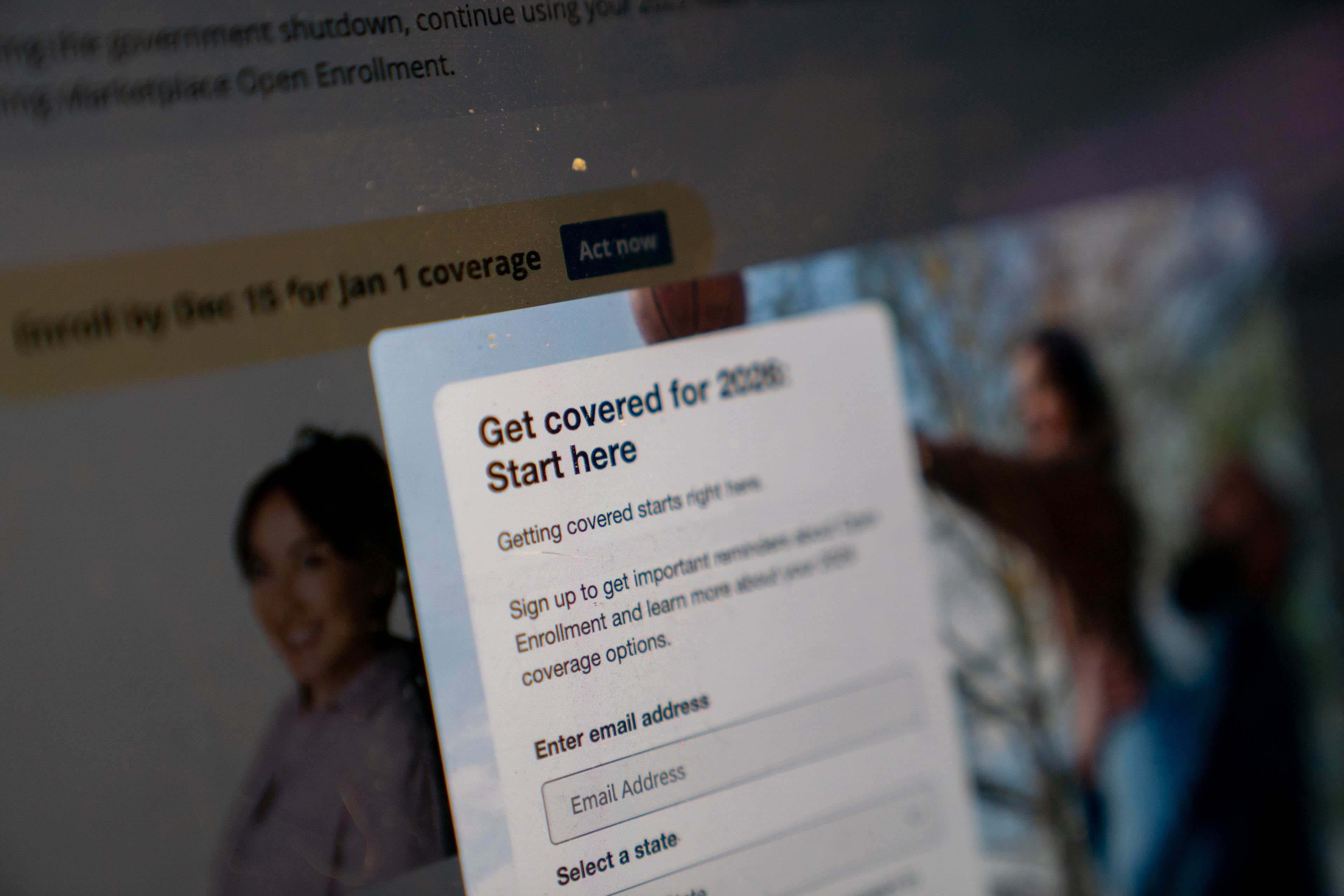

The ACA MarketplaceS

In Preliminary Rate Filings, ACA Marketplace Insurers Largely Propose Double-Digit Premium Increase For 2027, Following a Steep Climb This Year 

ACA Marketplace insurers are proposing a median premium increase of 14% for 2027— indicating a likely second consecutive year of double-digit increases, according to a new analysis of preliminary rate filings in 16 states and DC. If these increases hold, typical premiums for insurers participating in the ACA Marketplaces would jump by more than one-third between 2025 and 2027.

The Average Marketplace Deductible Grew by About $1,000 Per Person in 2026, With More Enrollees Shifting to Higher-Deductible Plans as Enhanced Tax Credits Expired

The average Affordable Care Act (ACA) Marketplace deductible experienced the steepest increase in history—growing by 37% or over $1,000, from $2,759 in 2025 to $3,786 in 2026 as enhanced premium tax credits expired, according to a new KFF analysis. After the enhanced tax credits ended, many Marketplace shoppers shifted toward lower-premium, higher-deductible plans.

Stay informed.

Stay informed.

Filter

331 - 340 of 2,782 Results

  • ACA Open Enrollment: If You Shop on Private Websites Instead of HealthCare.gov

    Fact Sheet

    Marketplace plans can now be sold through private websites, sometimes described as "direct enrollment” sites or “certified enrollment partner” sites. This short fact sheet explains how these sites and the plans they offer may differ from what consumers will find on HealthCare.gov.

  • What Does the Election Mean for Health Reform and Other Health Issues?

    Event Date:
    Event

    How the new health reform law is implemented, and how quickly, depend in part on the results of the November 2 election. Now that the leadership of the House will soon change hands, what might Republicans do with respect to health reform? How might Democrats respond? Apart from reform, how might other health programs such as Medicare, Medicaid and CHIP be affected by the new congressional lineup? This November 12 briefing, cosponsored by the Alliance…

  • Compare Proposals to Replace The Affordable Care Act

    Interactive

    President Donald Trump and Republicans in Congress have committed to repealing and replacing the Affordable Care Act (ACA). How do their replacement proposals compare to the ACA? How do they compare to each other? Includes the Graham-Cassidy-Heller-Johnson amendment (introduced 9/13/2017) as well as other proposals from key members of Congress.

  • Trump Has No Health Plan, He Has the Art of the Health Care Deal

    From Drew Altman

    In his first column for the new year, KFF CEO Dr. Drew Altman analyzes President Trump’s “make a deal” approach to health care. He explains that while the president doesn’t have a health reform plan, or even “concepts of a plan,” or a replacement for the ACA, he does have a distinctive set of tactics that features one-off deals with the health care industry that are more like “health policy by transaction.” He writes that…

  • Emerging Medicaid Accountable Care Organizations: The Role of Managed Care

    Issue Brief

    This brief examines efforts by a number of states to set up Accountable Care Organizations (ACOs) within their Medicaid programs. An ACO is a provider-run organization in which participating providers are collectively responsible for the care of an enrolled population, and may share in any savings associated with improvements in the quality and efficiency of care. The structure of Medicaid ACO initiatives is influenced by individual states’ experience with managed care, other existing care delivery…

  • Medicare Savings in Perspective: A Comparison of 2009 Health Reform Legislation and Other Laws in the Last 15 Years

    Issue Brief

    Although Medicare is not the main focus of current health reform legislation, the bill recently passed by the House—H.R. 3962, America’s Affordable Health Choices Act of 2009—and the bill before the Senate—H.R. 3590, Patient Protection and Affordable Care Act—include a number of provisions that would affect Medicare program expenditures. This policy brief considers the proposed 10-year Medicare savings and increased spending in the two proposals in the context of other laws enacted during the last…

  • A Primer on Medicare Financing

    Issue Brief

    As Congress and the Administration increasingly focus on the nation’s budget deficit, many policy experts and several bipartisan deficit reduction panels have proposed significant changes to Medicare to reduce federal spending and address rising health care costs. This primer provides an overview of Medicare spending trends, how the program is financed, and factors contributing to the growth in Medicare spending. Medicare now covers 47 million seniors and younger people with disabilities, with total expenditures of…