Affordable Care Act

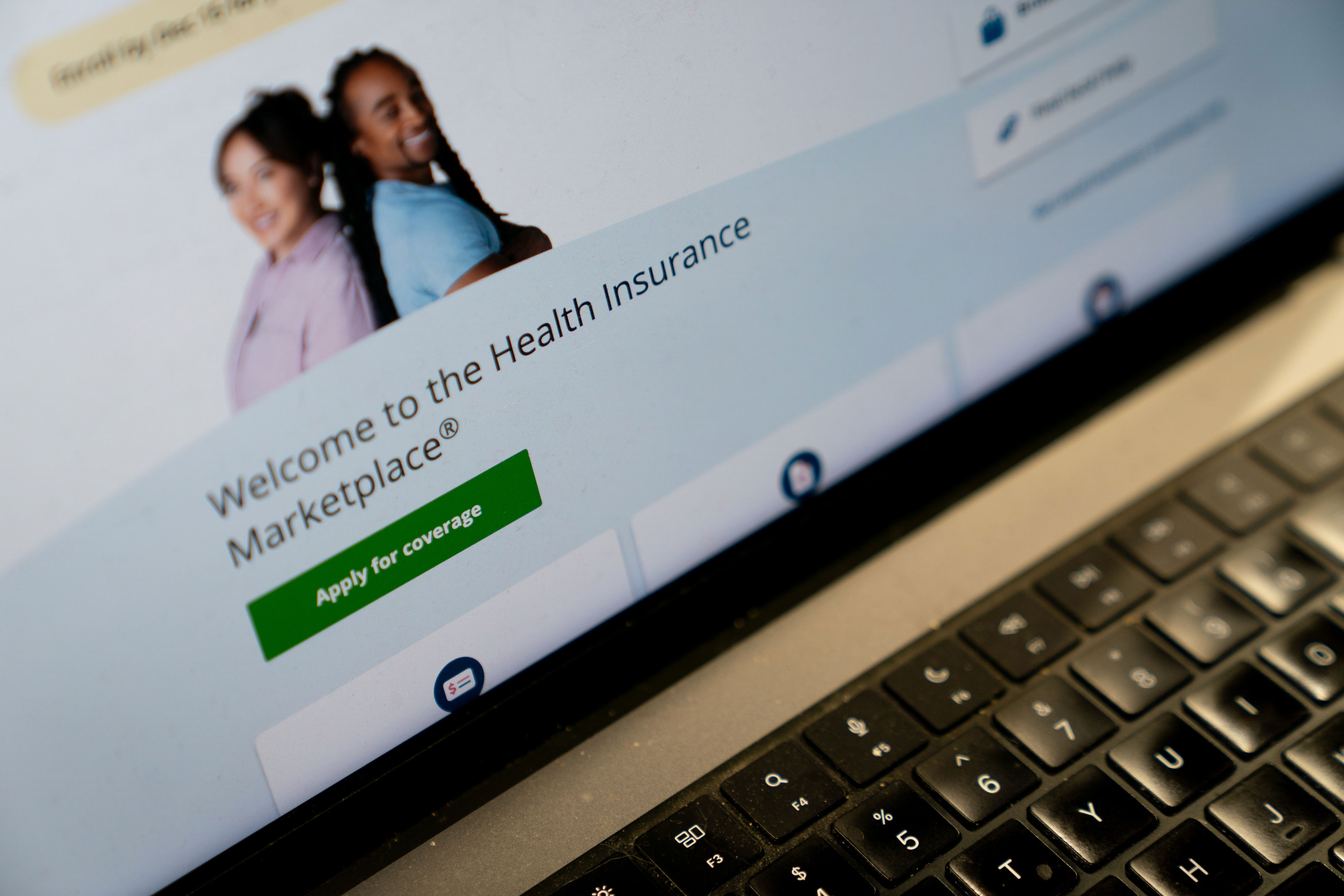
The ACA Marketplace

2025 KFF Marketplace Enrollees Survey

In 2025, about one in three ACA enrollees said they would be “very likely” to look for a lower-premium Marketplace plan If their premium payments doubled.

Cost Concerns and Coverage Changes: A Follow-Up Survey of ACA Marketplace Enrollees

Following the expiration of the enhanced premium tax credits for people with Affordable Care Act (ACA) Marketplace plans, a new KFF follow-up survey of the same Marketplace enrollees KFF surveyed in 2025 finds half (51%) of returning enrollees say their health care costs are “a lot higher” this year compared to last year, including four in 10 who specifically say their premiums are “a lot higher.”

Timely insights and analysis from KFF staff

Latest News

No Posts to Show

Subscribe to KFF Emails

Choose which emails are best for you.
Sign up here

Filter

2,651 - 2,660 of 2,771 Results

  • Ten Changes to Watch in Open Enrollment 2022

    Issue Brief

    Even as the ninth annual Open Enrollment period gets underway, the Affordable Care Act (ACA) Marketplaces continue to evolve and important changes are expected. This issue brief discusses what changes to watch out for in the coming enrollment period.

  • 2022 Health Insurance Marketplace Calculator

    Interactive

    The Health Insurance Marketplace Calculator, updated with 2022 premium data, provides estimates of health insurance premiums and subsidies for people purchasing insurance on their own in health insurance exchanges (or “Marketplaces”) created by the Affordable Care Act (ACA).

  • Navigating the Family Glitch Fix: Hurdles for Consumers with Employer-sponsored Coverage

    Issue Brief

    About 5 million people could benefit from the fix to the Affordable Care Act’s “family glitch” that allows workers offered unaffordable family coverage to get subsidies in the marketplace – if they can show they qualify. This brief looks at some of the challenges consumers may face in deciding whether to take advantage of the fix.

  • Supplemental Security Income for People with Disabilities: Implications for Medicaid

    Issue Brief

    This issue brief describes key characteristics of SSI enrollees, explains the SSI eligibility criteria and eligibility determination process, and considers the implications of changes in the SSI program for Medicaid, including the effects of the COVID-19 pandemic and resulting economic downturn as well as proposals supported by President Biden that Congress might consider.

  • Medicare and Dental Coverage: A Closer Look

    Issue Brief

    Medicare does not cover routine dental care and about half of Medicare beneficiaries do not have dental coverage. Some beneficiaries have dental coverage through other sources, including Medicare Advantage, but 47% of all beneficiaries have not been to the dentist in the past year and many older adults face high out-of-pocket costs for needed dental care. This brief provides new data on the share of Medicare beneficiaries with dental coverage, the share with a dental visit in the past 12 months, and out-of-pocket spending on dental care. It also takes a closer look at the scope of dental benefits offered to Medicare Advantage enrollees in individual plans in 2021.

  • The 2020 Presidential Election: Implications for Women’s Health

    Issue Brief

    This brief and side-by-side tables reviews the key health issues that are likely to have a direct impact on women’s health as well as their access to coverage and care, and summarizes the presidential candidates’ stated positions and records on these issues.

  • KFF Health Tracking Poll – October 2020: The Future of the ACA and Biden’s Advantage On Health Care

    Report

    The poll examines the public's views on the Supreme Court case to overturn the Affordable Care Act and its protections for people with pre-existing conditions. Less than a month from the results of the 2020 presidential election, this poll examines the top issues for voters (the economy, the coronavirus pandemic, health care, criminal justice and policing, among others) as well as which candidate, Biden or Trump, they think has the better approach to handle key health care policy areas.