Affordable Care Act

The ACA MarketplaceS

Change in February effectuated enrollment, by state, 2025-2026

How Has ACA Marketplace Enrollment Changed Across States in 2026?

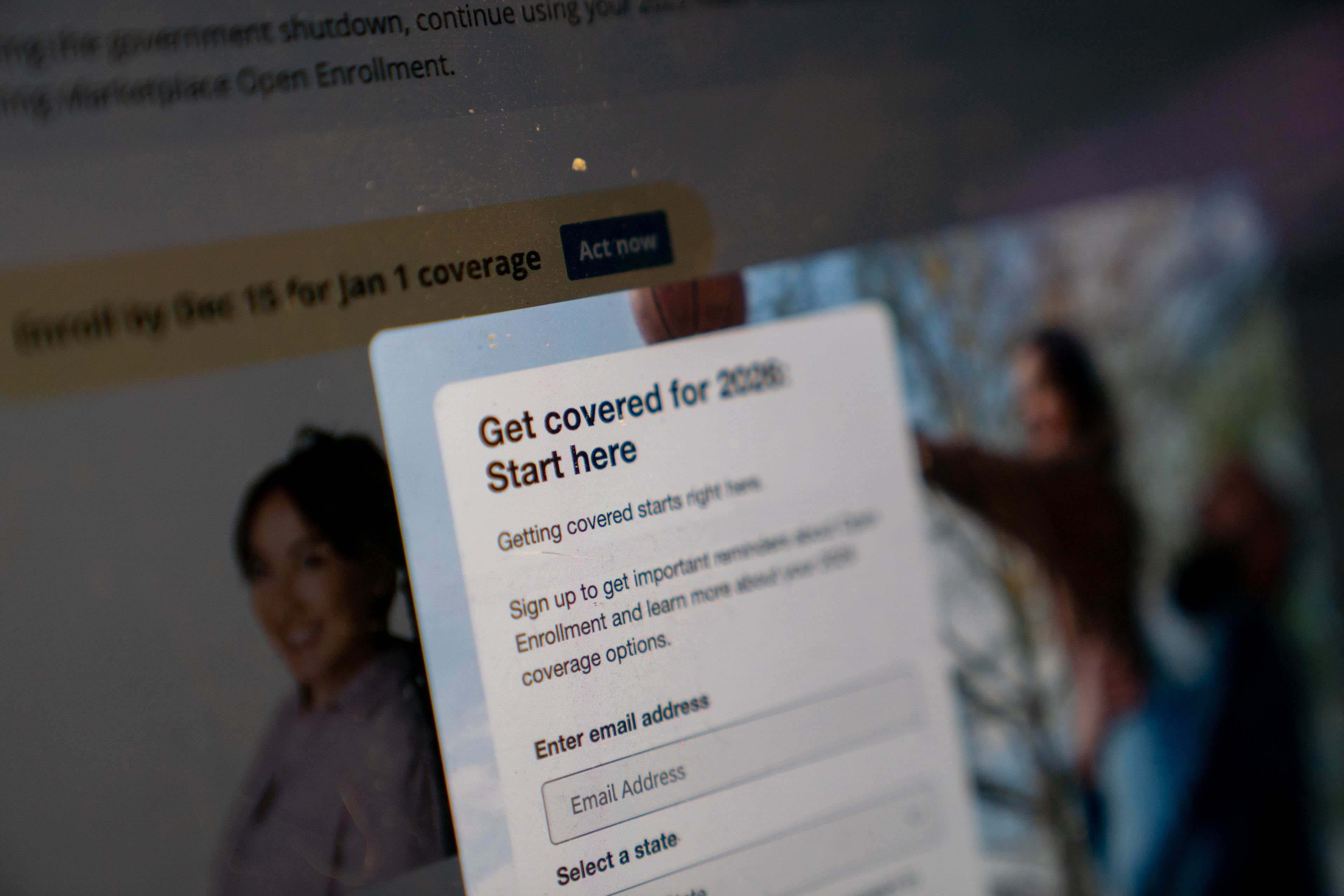
ACA Marketplace enrollment fell this year in every state except New Mexico, which was the only state to fully replace the enhanced premium tax credits that expired last year with a state-funded subsidy, according to a new KFF analysis of effectuated enrollment data. The Marketplace enrollment decline—the first in seven years—follows several years of rapid enrollment growth and coincides with the end of the enhanced federal subsidies.

How Much and Why ACA Marketplace Premiums Are Going Up in 2027

ACA Marketplaces insurers are proposing a median premium increase of 15% in 2027, according to KFF’s updated analysis of 276 insurers with publicly available filings across all 50 states and the District of Columbia. This is the second consecutive year of double-digit premium hikes. Last year’s median nationwide proposed rate change was 18%, and the median finalized rate change was 20%. While this proposed rate change is lower than last year, it represents the second-highest requested rate change since 2018, as premium growth had been relatively flat in this market for several years.

About the ACA

Promotional image for KFF video How Affordable is the Affordable Care Act

Did the Affordable Care Act Make Health Care More Affordable?

The expiration of the ACA’s enhanced premium tax credits at the start of 2026, combined with rising insurer premiums, put a spotlight on health care affordability that extends beyond Marketplace enrollees. KFF’s Cynthia Cox examines the ACA’s record and the broader underlying question it raises: what’s a fair price for Americans people to pay for health care?

Stay informed.

Stay informed.

Filter

221 - 230 of 2,787 Results

  • Pulling It Together: Critical Path To Health Reform

    Perspective

    In this new section of our Web site, I pull together ideas and data from across the Foundation’s work to try to paint a bigger picture that hopefully helps to illuminate critical health policy issues. This is not a blog or a personal position statement. This second installment of the new Pulling It Together series lays out the steps that could lead to the first major national health reform debate since the early nineties. Other…

  • Kaiser Health Tracking Poll — March 2012

    Feature

    As the oral arguments on the Affordable Care Act (ACA) begin in two weeks before the Supreme Court, the March Kaiser Health Tracking Poll finds that Americans' views on the case mirror their views on the health reform law and that they expect parts of the ACA to continue whatever the Court rules. The poll finds that half of all Americans (51%) think the Court should rule the mandate unconstitutional and about the same number…

  • Pop Quiz: Assessing Americans’ Familiarity With the Health Care Law

    Feature

    The Affordable Care Act (ACA) is coming up on a year old, but in the midst of continuing debate over the merits of the landmark health care overhaul, how well do Americans understand what the new law will actually do? As the 112th Congress prepared to take office and the discussion of repeal was on the rise, the Foundation included a ten-question "quiz" on the December Kaiser Health Tracking poll to try to answer this…

  • Kaiser Health Tracking Poll — October 2010

    Feature

    With the November midterm elections just weeks away, Americans remain chronically divided over the Patient Protection and Affordable Care Act, but most say that their feelings – pro and con – about the health reform law are not a dominant factor in how they will vote for Congress or whether they will go to the polls. Views on health reform tightened up in October, with 42 percent saying they have favorable views of the new…

  • Pulling it Together: REPOR(t)

    Perspective

    In today’s column I investigate a somewhat lighter topic than my last column on micro-simulation modeling: What was the impact of shows like Jon Stewart’s The Daily Show and Stephen Colbert’s The Colbert Report on the health reform debate?  Who among us has not wondered about the answer to this question?  Please don’t answer that. I should start by acknowledging that I am a frequent but not religious viewer of these shows, and believe that…

  • Medicaid Coverage and Spending in Health Reform: National and State-By-State Results for Adults at or Below 133% FPL

    Report

    This analysis, performed by the Urban Institute for the Kaiser Commission on Medicaid and the Uninsured, shows that the expansion of Medicaid under the health reform law will significantly increase the number of people covered by the program and reduce the uninsured in states across the country, with the federal government picking up the vast majority of the cost. The analysis is among the first to show for all 50 states and the District of…

  • Real Industry Action on Health Reform?

    Other Post

    The Washington Post published an op-ed authored by Foundation President and CEO Drew Altman which examines how the health industry's voluntary commitment to curb health care spending is similar and different from past efforts. Read the Article

  • Survey Brief: Economic Problems Facing Families

    Poll Finding

    This poll finds that health care costs rank among Americans’ top personal economic problems, and their struggles to deal with those costs have affected both their financial well-being and their family’s health care. Conducted by the Foundation’s public opinion researchers, the poll probes into the economic concerns facing Americans and the ways they have dealt with the cost of health care. The poll was designed and analyzed by public opinion researchers at the Kaiser Family…

  • Governors’ Budgets for FY 2013 — What is Proposed for Medicaid?

    Issue Brief

    This report provides Medicaid highlights from governors' proposed state budgets for FY 2013, which starts July 1, 2012 for most states. While some states are beginning to see signs of economic recovery, many remain cautiously optimistic as they continue to experience the recession's lingering effects. State revenues have not rebounded to pre-recession levels, unemployment rates are still high, and some states continue to face budget shortfalls. There continues to be high demand for Medicaid and…

  • Kaiser Health Tracking Poll — January 2012

    Feature

    As the Supreme Court prepares to hear legal challenges to the health reform law in March, most Americans expect the Justices to base their ruling on their own ideological views rather than their interpretation of the law, according to the January Health Tracking Poll. Other key findings include: The public doubts the Supreme Court renders judgments based solely on the law. Three-quarters (75%) say they think that, in general, Justices let their own ideological views…