
Affordable Care Act

ACA Open Enrollment

9 Things to Watch for the 2027 ACA Open Enrollment Period

9 Things to Watch for the 2027 ACA Open Enrollment Period 

ACA Marketplace Open Enrollment is here—and this year comes with major changes. Marketplace premiums are up 13% on average, more insurers are leaving the Marketplaces than entering, and there is narrower eligibility for health insurance subsidies. Learn more about what to watch.

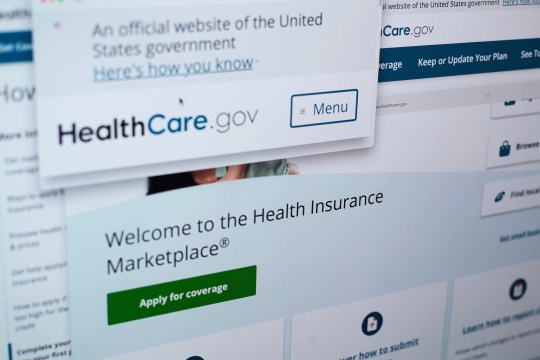
Health Insurance Marketplace Calculator

The Health Insurance Marketplace Calculator, updated with 2027 premium data, provides estimates of health insurance premiums and subsidies for people purchasing insurance on their own in health insurance exchanges (or “Marketplaces”) created by the Affordable Care Act (ACA).

About the ACA

Promotional image for KFF video How Affordable is the Affordable Care Act

Did the Affordable Care Act Make Health Care More Affordable?

The expiration of the ACA’s enhanced premium tax credits at the start of 2026, combined with rising insurer premiums, put a spotlight on health care affordability that extends beyond Marketplace enrollees. KFF’s Cynthia Cox examines the ACA’s record and the broader underlying question it raises: what’s a fair price for Americans people to pay for health care?

Stay informed.

Stay informed.

Filter

2,271-2,280 of 2,431 results

  • Health Insurance Coverage for Older Adults: Implications of a Medicare Buy-In

    Issue Brief

    As the Senate debates comprehensive health reform legislation, the idea of a Medicare buy-in option for uninsured adults aged 55-64 has re-emerged as a potential component of a reform plan. This Kaiser Family Foundation policy brief provides an updated profile of the more than 4 million uninsured people between ages 55 and 64 and examines historical proposals to allow uninsured older adults to purchase Medicare coverage. It also examines barriers to securing affordable coverage in…

  • Immigrants’ Health Coverage and Health Reform: Key Questions and Answers

    Issue Brief

    As health reform discussions continue, there has been some focus on health coverage for immigrants and how immigrants will be treated under reform plans being considered on Capitol Hill. This issue brief provides an overview of key questions related to immigrants' health coverage and health reform, addressing subjects such as how immigrants receive health coverage, how many of the uninsured are non-citizen immigrants and what would happen to coverage for non-citizen immigrants under current health…

  • Key Findings: Kaiser Health Tracking Poll — December 2009

    Poll Finding

    This document contains the key findings from the December Health Tracking Poll. The survey was designed and analyzed by public opinion researchers at the Kaiser Family Foundation and was conducted December 7 through December 13, 2009, among a nationally representative random sample of 1,204 adults ages 18 and older. Telephone interviews conducted by landline (801) and cell phone (403, including 111 who had no landline telephone) were carried out in English and Spanish. The margin…

  • Toplines: Kaiser Health Tracking Poll — December 2009

    Poll Finding

    This document contains the toplines from the December Health Tracking Poll. The survey was designed and analyzed by public opinion researchers at the Kaiser Family Foundation and was conducted December 7 through December 13, 2009, among a nationally representative random sample of 1,204 adults ages 18 and older. Telephone interviews conducted by landline (801) and cell phone (403, including 111 who had no landline telephone) were carried out in English and Spanish. The margin of…

  • Getting the Most Bang for Our Health Reform Buck: Enrolling and Retaining Everyone Who’s Eligible

    Event Date:
    Event

    As Congress looks for ways to increase access to health care, existing programs such as Medicaid and the Children's Health Insurance Program are often overlooked. Yet enrolling those who are eligible for such programs is one of the easiest ways to expand coverage. This briefing, co-sponsored by Alliance for Health Reform and the Pharmaceutical Research and Manufacturers of America (PhRMA), looked at ways to streamline recruitment and enrollment, while exploring how expanding Medicaid and CHIP…

  • Medicare Savings in Perspective: A Comparison of 2009 Health Reform Legislation and Other Laws in the Last 15 Years

    Issue Brief

    Although Medicare is not the main focus of current health reform legislation, the bill recently passed by the House—H.R. 3962, America’s Affordable Health Choices Act of 2009—and the bill before the Senate—H.R. 3590, Patient Protection and Affordable Care Act—include a number of provisions that would affect Medicare program expenditures. This policy brief considers the proposed 10-year Medicare savings and increased spending in the two proposals in the context of other laws enacted during the last…

  • Coverage of Low-Income Children: Key Issues to Consider in Health Reform

    Issue Brief

    A key element of health reform will be meeting the needs of low-income children. Overall, a major goal of proposals is to expand coverage by building on Medicaid, providing subsidies to low- and moderate-income individuals to buy coverage through new health insurance exchanges, and requiring individuals to obtain coverage. Current proposals also could significantly change coverage for some children already eligible for Medicaid and CHIP. This issue brief examines several key issues to consider about…

  • Pulling it Together: A Note on Presidential Leadership Strategy

    Perspective

    In inside circles of the health reform debate there has been criticism of the President for not weighing in earlier and publicly on the details of health reform legislation. Does he want the Senate's approach to employer obligations, or the approach taken in the House? What form of public option does he want: a robust one, a trigger, an opt-in, an opt-out, or none at all? What level of premiums and cost sharing is he…

  • Affordability and Health Reform: If We Mandate, Will They (and Can They) Pay?

    Event Date:
    Event

    The Alliance for Health Reform and The Commonwealth Fund co-sponsored this briefing to explore the health reform proposals being considered which may impose responsibilities on both individuals and employers to have and help pay for coverage and whether they will be able to pay the amounts above the subsidies. Questions addressed include:If Congress exempts people from the coverage requirement or significantly reduces the penalties for noncompliance, will enough healthy individuals purchase new coverage to adequately…

  • Kaiser Health Tracking Poll — November 2009

    Poll Finding

    The November Kaiser Health Tracking Poll shows little movement in measures of public opinion about health reform from recent months. Among the new findings is a ranking of the public's top priorities from among a list of elements of the legislation. There were both similarities and differences in priorities across partisan groups: while assuring the availability of affordable plans ranked in the top three priorities for Democrats, Republicans and independents, deficit neutrality ranked in the…



