2025 KFF Marketplace Enrollees Survey
In 2025, about one in three ACA enrollees said they would be “very likely” to look for a lower-premium Marketplace plan If their premium payments doubled.
The independent source for health policy research, polling, and news.
KFF’s policy research provides facts and analysis on a wide range of policy issues and public programs.
KFF designs, conducts and analyzes original public opinion and survey research on Americans’ attitudes, knowledge, and experiences with the health care system to help amplify the public’s voice in major national debates.
KFF Health News is a national newsroom that produces in-depth journalism about health issues and is one of the organization’s core operating programs.
In 2025, about one in three ACA enrollees said they would be “very likely” to look for a lower-premium Marketplace plan If their premium payments doubled.
Adults ages 50 to 64 are disproportionately affected by the expiration of ACA enhanced premium tax credits because they make up a large number of Marketplace enrollees and premiums rise with age.
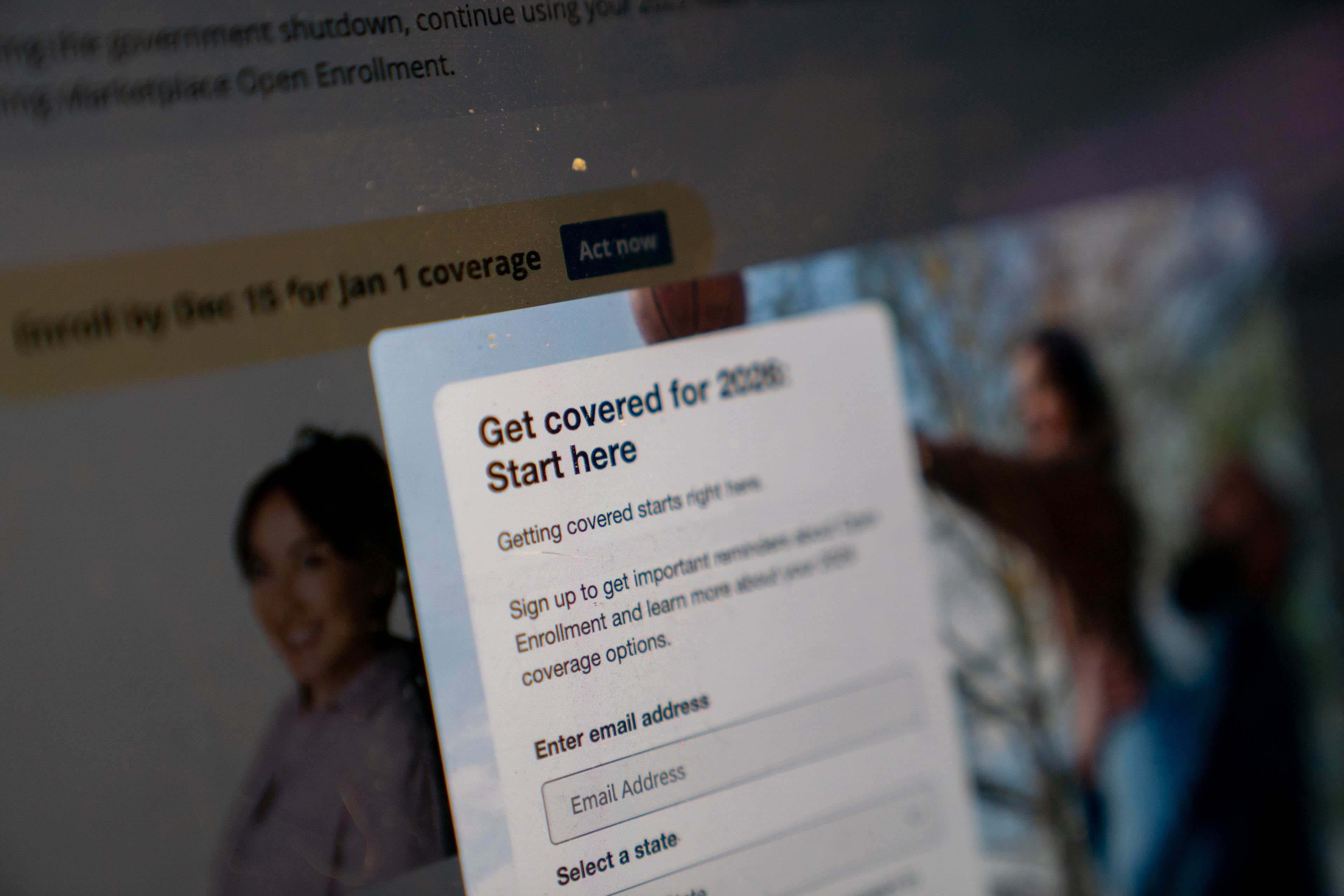
Following the expiration of the enhanced premium tax credits for people with Affordable Care Act (ACA) Marketplace plans, a new KFF follow-up survey of the same Marketplace enrollees KFF surveyed in 2025 finds half (51%) of returning enrollees say their health care costs are “a lot higher” this year compared to last year, including four in 10 who specifically say their premiums are “a lot higher.”
Choose which emails are best for you.
Sign up here
Media-only web briefing that released a new survey tracking the experiences of California's previously uninsured residents under the Affordable Care Act (ACA). New survey provides a detailed assessment of how well the ACA is working for previously uninsured residents in a state that embraced the ACA's coverage expansion opportunities by establishing the Covered California insurance marketplace and expanding its Medi-Cal program.
The Kaiser Family Foundation California Longitudinal Panel Survey is a series of surveys that, over time, tracks the experiences and views of a representative, randomly selected sample of Californians who were uninsured prior to the major coverage expansions under the Affordable Care Act (ACA). The initial baseline survey was conducted with a representative sample of 2,001 nonelderly uninsured Californian adults in summer 2013, prior to the ACA’s initial open enrollment period. The second survey in…
Steep Drops in Problems Paying For and Getting Care among Recently Insured, But Affordability and Access Problems Remain Eligible Latinos Obtained Coverage at Similar Rates as Whites; People Ineligible Due to Immigration Status Now Make Up 41% of Remaining Uninsured MENLO PARK, Calif. - About two thirds (68%) of previously uninsured Californians have health coverage after the Affordable Care Act's second open enrollment period, and this group is now much more likely to report…
In his latest column for The Wall Street Journal's Think Tank, Drew Altman discusses whether the debate about the Iran deal may bring a respite for the Affordable Care Act from politics as usual, and how long it might last. All previous columns by Drew Altman are available.
In this column for The Wall Street Journal's Think Tank, Drew Altman discusses whether the debate about the Iran deal may bring a respite for the Affordable Care Act from politics as usual, and how long it might last.
In this column for The Wall Street Journal’s Think Tank, Drew Altman discusses the implications of the governor of Alaska’s decision to move ahead unilaterally with Medicaid expansion.
In his latest column for The Wall Street Journal’s Think Tank, Drew Altman discusses the implications of the governor of Alaska’s decision to move ahead unilaterally with Medicaid expansion. All previous columns by Drew Altman are available.
A newly-updated infographic from the Kaiser Family Foundation explains the final regulations on employer-based coverage of birth control released today by the U.S. Department of Health & Human Services. How Does Where You Work Affect Your Contraceptive Coverage? provides a clear explanation of coverage requirements under the new regulations for employers with religious objections to contraceptive coverage, including houses of worship, religiously-affiliated nonprofits and closely-held for-profit corporations. A related summary, also updated to reflect the new regulations,…
Following the Supreme Court’s King v. Burwell decision, the Affordable Care Act could use a break from the intense political heat, though it may not get a long one as the 2016 election season heats up and presidential candidates play to their bases on health care, writes Drew Altman in his latest column for The Wall Street Journal’s Think Tank. All previous columns by Drew Altman are available.
Following the Supreme Court’s King v. Burwell decision, the Affordable Care Act could use a break from the intense political heat, though it may not get a long one as the 2016 election season heats up and presidential candidates play to their bases on health care, writes Drew Altman in his latest column for The Wall Street Journal’s Think Tank.
© 2026 KFF