Affordable Care Act

About the ACA

Promotional image for KFF video How Affordable is the Affordable Care Act

Did the Affordable Care Act Make Health Care More Affordable?

The expiration of the ACA’s enhanced premium tax credits at the start of 2026, combined with rising insurer premiums, put a spotlight on health care affordability that extends beyond Marketplace enrollees. KFF’s Cynthia Cox examines the ACA’s record and the broader underlying question it raises: what’s a fair price for Americans people to pay for health care?
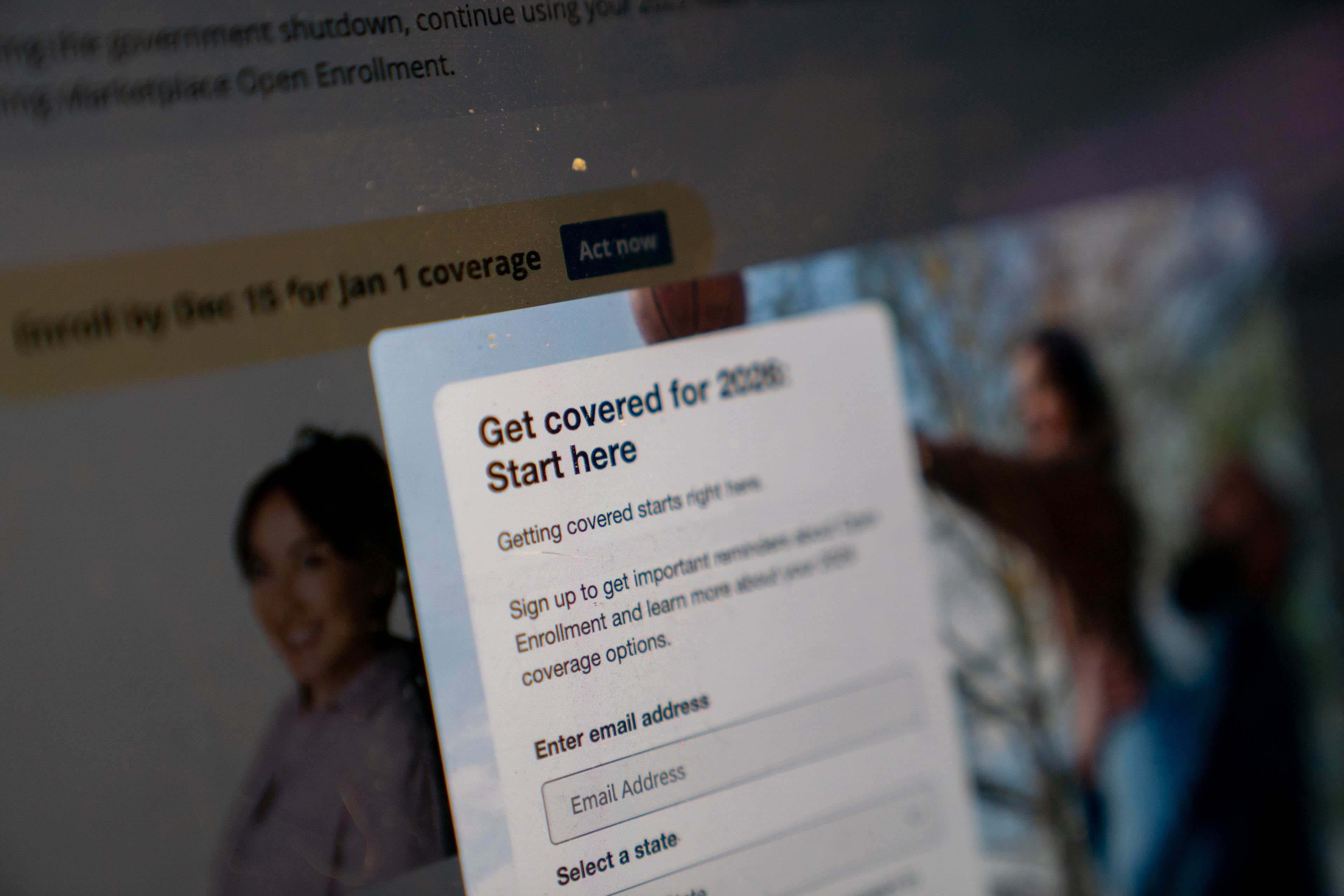

The ACA MarketplaceS

In Preliminary Rate Filings, ACA Marketplace Insurers Largely Propose Double-Digit Premium Increase For 2027, Following a Steep Climb This Year 

ACA Marketplace insurers are proposing a median premium increase of 14% for 2027— indicating a likely second consecutive year of double-digit increases, according to a new analysis of preliminary rate filings in 16 states and DC. If these increases hold, typical premiums for insurers participating in the ACA Marketplaces would jump by more than one-third between 2025 and 2027.

The Average Marketplace Deductible Grew by About $1,000 Per Person in 2026, With More Enrollees Shifting to Higher-Deductible Plans as Enhanced Tax Credits Expired

The average Affordable Care Act (ACA) Marketplace deductible experienced the steepest increase in history—growing by 37% or over $1,000, from $2,759 in 2025 to $3,786 in 2026 as enhanced premium tax credits expired, according to a new KFF analysis. After the enhanced tax credits ended, many Marketplace shoppers shifted toward lower-premium, higher-deductible plans.

Stay informed.

Stay informed.

Filter

1,491 - 1,500 of 2,780 Results

  • In Depth Analysis of Health Reform Issues

    Report

    These reports provide in-depth analysis related to the health reform debate. Additional reports will be added as they become available. Medicaid Expansion in Health Reform: National and State Estimates of Coverage and CostsThis analysis and public briefing examine the potential national and state-by-state impacts on Medicaid enrollment and spending of the expansion of coverage for low-income adults under the health reform law. Reform Calculator Estimates Premiums and Subsidies Available In 2014The Foundation's interactive health reform…

  • Health Reform and Communities of Color: Implications for Racial and Ethnic Health Disparities

    Issue Brief

    This issue brief examines the key provisions of the 2010 health reform law that will expand health coverage and are likely to improve access to care for people of color, as well as some of the other provisions that will likely have either a direct or indirect impact on health disparities. Issue Brief (.pdf)) Previous Version: November 2009 (.pdf)

  • A Focus Group with Medicaid Directors: As FY 2012 Ends, Looking Toward FY 2013

    Report

    This report is based on a focus group discussion in May 2012 with the Executive Board of the National Association of Medicaid Directors (NAMD) and other leading Medicaid directors. The group of nine directors reflected perspectives from various regions of the country. The discussion focused on state fiscal conditions, Medicaid spending and enrollment trends, key Medicaid policy changes and federal health care reform implementation. At the time of the meeting, most states were wrapping up…

  • Already at Record High, ACA Marketplace Enrollment Could Increase Further

    News Release

    Enhanced Marketplace subsidies have continued to drive up enrollment in the individual market, and the loss of Medicaid coverage by millions of people could contribute to this trend, according to a new KFF analysis. Meanwhile, enrollment in non-ACA-compliant plans is at a record low. As of early 2023, an estimated 18.2 million people have individual market coverage, the highest since 2016. Individual market enrollment grew by about 29% between early 2020 and early 2023 —…

  • I will lose my employer coverage mid-month. Can my Marketplace coverage start the same month when my old coverage is terminated?

    FAQs

    Yes, your Marketplace coverage will begin the first day of the month after you select your QHP during the special enrollment period triggered by your loss of other job-based coverage. If you sign up for a Marketplace plan during a special enrollment period, your coverage will take effect on the first day of the month after you select your plan, even if you made your selection after the 15th of the month. So, for example,…

  • Pulling It Together: Moving Away From Employer Based Coverage: Don’t Forget Public Opinion

    Perspective

    One of the underlying big issues in the unfolding health reform debate is whether most Americans should continue to get insurance through work where they get it today, or purchase it themselves in the individual private health insurance marketplace. Senator McCain promotes moving to individual insurance and having individuals rather than employers make coverage decisions, as has President Bush.  But this is not only a conservative idea.  Many on the liberal side -- such as…

  • Approaches to Covering the Uninsured: A Guide

    Issue Brief

    The guide explains the key strategies for expanding coverage to the nation's 45 million uninsured people and explains and how different policy options can be combined to form comprehensive reform proposals. It organizes the various policy strategies under four overall approaches: strengthening current coverage arrangements, improving the affordability of coverage, improving the availability of coverage and changing the tax treatment and financing of health insurance. Guide (.pdf)