Affordable Care Act

About the ACA

Promotional image for KFF video How Affordable is the Affordable Care Act

Did the Affordable Care Act Make Health Care More Affordable?

The expiration of the ACA’s enhanced premium tax credits at the start of 2026, combined with rising insurer premiums, put a spotlight on health care affordability that extends beyond Marketplace enrollees. KFF’s Cynthia Cox examines the ACA’s record and the broader underlying question it raises: what’s a fair price for Americans people to pay for health care?
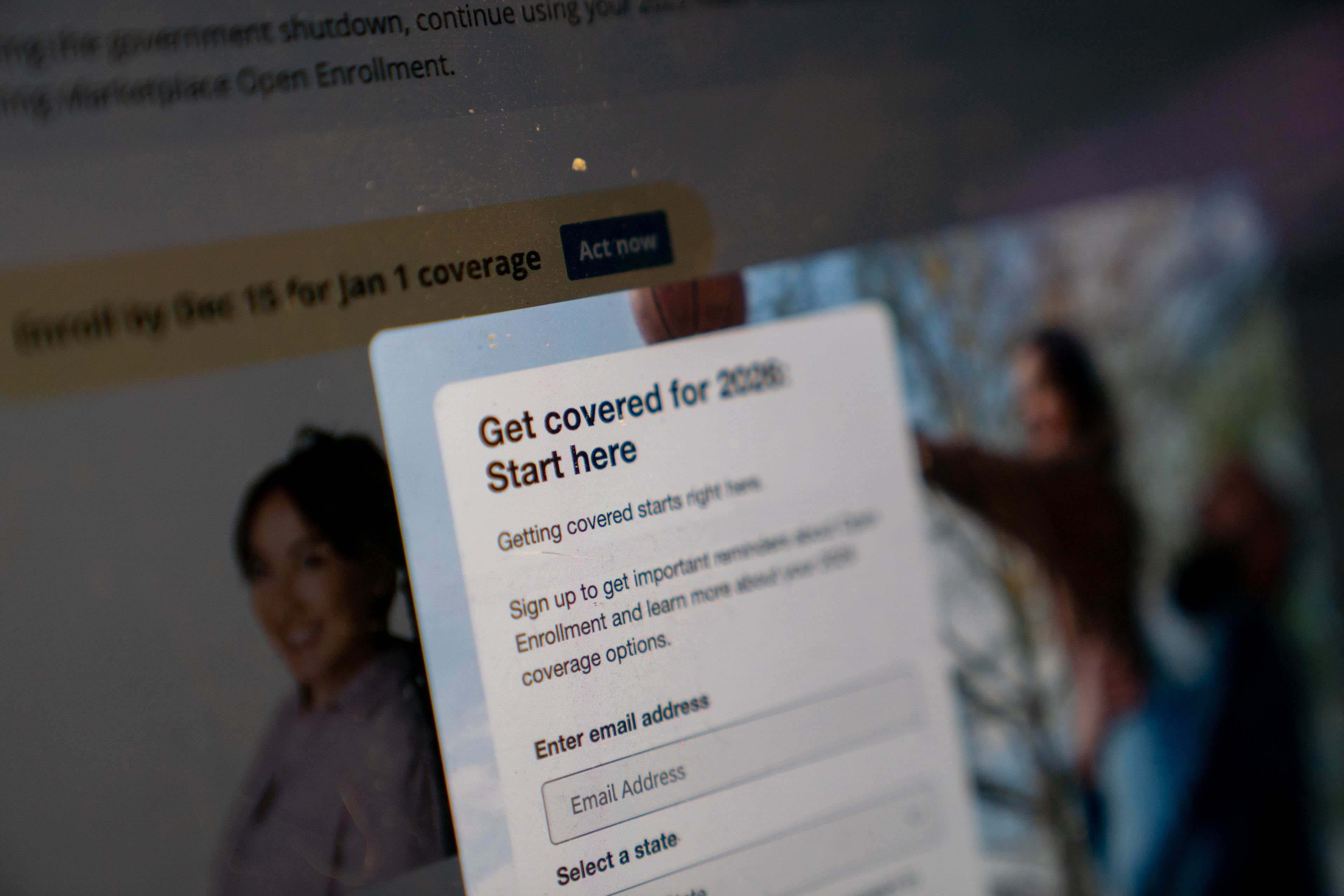

The ACA MarketplaceS

In Preliminary Rate Filings, ACA Marketplace Insurers Largely Propose Double-Digit Premium Increase For 2027, Following a Steep Climb This Year 

ACA Marketplace insurers are proposing a median premium increase of 14% for 2027— indicating a likely second consecutive year of double-digit increases, according to a new analysis of preliminary rate filings in 16 states and DC. If these increases hold, typical premiums for insurers participating in the ACA Marketplaces would jump by more than one-third between 2025 and 2027.

The Average Marketplace Deductible Grew by About $1,000 Per Person in 2026, With More Enrollees Shifting to Higher-Deductible Plans as Enhanced Tax Credits Expired

The average Affordable Care Act (ACA) Marketplace deductible experienced the steepest increase in history—growing by 37% or over $1,000, from $2,759 in 2025 to $3,786 in 2026 as enhanced premium tax credits expired, according to a new KFF analysis. After the enhanced tax credits ended, many Marketplace shoppers shifted toward lower-premium, higher-deductible plans.

Stay informed.

Stay informed.

https://js.hsforms.net/forms/embed/292449.js

Filter

1,461 - 1,470 of 2,780 Results

  • Visualizing Health Policy: Recent Trends in Prescription Drug Costs

    News Release

    This Visualizing Health Policy infographic spotlights national spending on prescription drugs and the public’s views on pharmaceutical prices. Prescription drug spending rose sharply in 2014, driven by growth in expenditures on specialty drugs, including medications to treat cancer and hepatitis C. Medicare’s spending on prescription pharmaceuticals also has risen, largely due to the addition of the Medicare prescription drug benefit in 2006: between 2004 and 2014, the program’s share of US drug expenditures increased from…

  • Contraceptive-Only Plans: Questions and Answers

    Perspective

    In this post on The Huffington Post, Alina Salganicoff and Laurie Sobel offer a Q&A on “contraceptive-only” plans, an approach mentioned during oral arguments in the U.S. Supreme Court case Zubik v. Burwell. In the Zubik case, a group of religiously affiliated nonprofits with religious objections to providing birth control coverage seek an exemption from the Affordable Care Act's provision requiring most plans to offer such coverage without cost-sharing.

  • A New Way of Measuring Health Costs Sheds Light on Recent Health Spending Trends

    Issue Brief

    National health spending started to grow more rapidly recently after several years of unusually slow growth. This analysis from the Kaiser Family Foundation and the federal Bureau of Economic Analysis helps to dissect why that may be happening. Using recently-released disease-based health spending data compiled by the federal government, the analysis finds that the drivers of health spending growth shifted in the years following the Great Recession. The number of people treated for various diseases picked up,…

  • The Affordable Care Act After Six Years

    From Drew Altman

    In this column for The Wall Street Journal’s Think Tank, Drew Altman examines the role of the Affordable Care Act in the health system on its sixth anniversary, and how the hot debate about the law may have created an exaggerated impression of the good and the bad it can do.

  • The Affordable Care Act After Six Years

    News Release

    In his latest column for The Wall Street Journal’s Think Tank, Drew Altman examines the role of the Affordable Care Act in the health system on its sixth anniversary, and how the hot debate about the law may have created an exaggerated impression of the good and the bad it can do. All previous Drew Altman columns are online.

  • Kaiser Health Tracking Poll: March 2016

    Feature

    The March Kaiser Health Tracking Poll finds that health care is one of many issues that will be important to voters in the Presidential election, trailing concerns about the economy and jobs but leading concerns about immigration. Health care ranks higher for Democratic voters than for Republican and independent voters and is a higher priority for women than for men. Health care costs remain on the forefront of the minds of both the uninsured and…

  • Is There a Health Care Vote? More for Democrats and Women than Other Groups

    News Release

    About One Third of Americans Perceive Wide-Scale Effort to Limit Women’s Reproductive Health Choices and Services; Most Who Do Say the Effort is a ‘Bad Thing’ Health care is one of many issues that will be important for voters in the presidential election, particularly for Democrats and women, finds the March Kaiser Health Tracking Poll. More than a third (36%) of voters consider health care “extremely important” to their vote in this year’s presidential election,…

  • Trends in Employer-Sponsored Insurance Offer and Coverage Rates, 1999-2014

    Issue Brief

    This issue brief uses data from the National Health Interview Survey (NHIS) to examine trends in employer-sponsored health insurance (ESI) for different of individuals and households in the United States. While ESI remains the leading source of coverage for nonelderly people, the percentage covered by an employer plan has declined over the past 15 years. A similar pattern exists with firm offer rates; fewer workers were offered health insurance from their employer in 2014 than…