Affordable Care Act

The ACA MarketplaceS

In Preliminary Rate Filings, ACA Marketplace Insurers Largely Propose Double-Digit Premium Increase For 2027, Following a Steep Climb This Year 

ACA Marketplace insurers are proposing a median premium increase of 14% for 2027— indicating a likely second consecutive year of double-digit increases, according to a new analysis of preliminary rate filings in 16 states and DC. If these increases hold, typical premiums for insurers participating in the ACA Marketplaces would jump by more than one-third between 2025 and 2027.

The Average Marketplace Deductible Grew by About $1,000 Per Person in 2026, With More Enrollees Shifting to Higher-Deductible Plans as Enhanced Tax Credits Expired

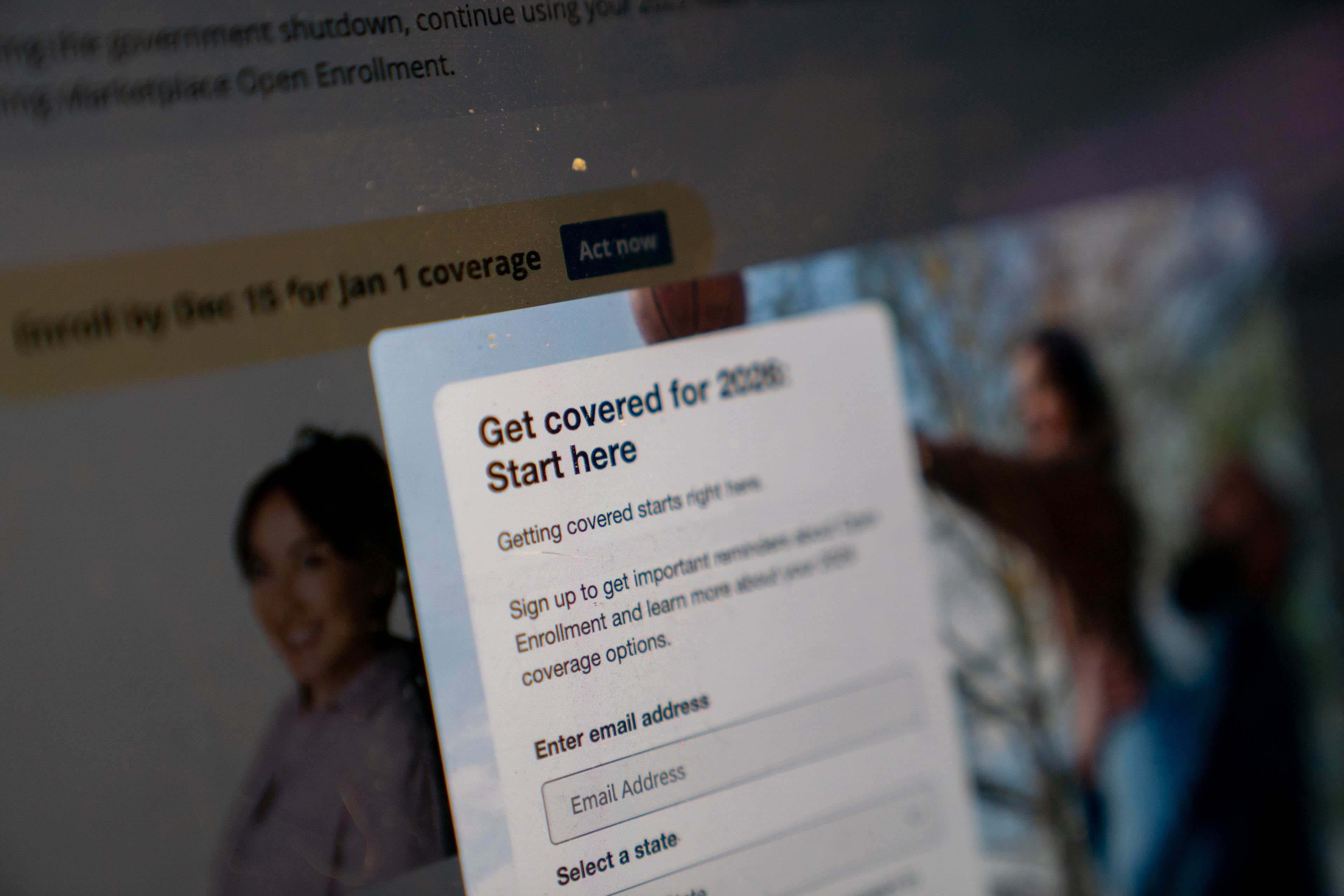
The average Affordable Care Act (ACA) Marketplace deductible experienced the steepest increase in history—growing by 37% or over $1,000, from $2,759 in 2025 to $3,786 in 2026 as enhanced premium tax credits expired, according to a new KFF analysis. After the enhanced tax credits ended, many Marketplace shoppers shifted toward lower-premium, higher-deductible plans.

POLLING on the ACA

Tracking the Public’s Views on the ACA

While overall opinion of the Affordable Care Act has been more favorable than unfavorable since 2017, there remain deep partisan divides. See how public opinion on the ACA has changed from the inception of the law to the present. This interactive tool highlights key moments when views shifted and trends based on party identification, income, age, gender, and race/ethnicity.

Stay informed.

Stay informed.

https://js.hsforms.net/forms/embed/292449.js

Filter

1,391 - 1,400 of 2,777 Results

  • A Final Look: California’s Previously Uninsured after the ACA’s Third Open Enrollment Period

    Report

    The Kaiser Family Foundation California Longitudinal Panel Survey is a series of surveys that, over time, tracked the experiences and views of a representative, randomly selected sample of Californians who were uninsured prior to the major coverage expansions under the Affordable Care Act (ACA). The initial baseline survey was conducted with a representative sample of 2,001 nonelderly uninsured Californian adults in summer 2013, prior to the ACA’s initial open enrollment period. After each enrollment period…

  • New Survey Finds 72% of Previously Uninsured Californians Now Have Coverage, Including 78% of Those Eligible for New Affordable Care Act Options

    News Release

    For Remaining Uninsured Residents, Cost and Immigration Status Are Main Obstacles Three years after the Affordable Care Act’s coverage expansions were fully implemented in California, nearly three quarters (72%) of the state’s previously uninsured residents now have health coverage, finds the fourth Kaiser Family Foundation Longitudinal Panel Survey, which is tracking the experiences of a randomly selected group of Californian adults who were uninsured in 2013. This is similar to the share who reported having insurance…

  • Explaining Health Care Reform: Risk Adjustment, Reinsurance, and Risk Corridors

    Issue Brief

    This brief explains three provisions of the Affordable Care Act (ACA) – risk adjustment, reinsurance, and risk corridors – that were intended to promote insurer competition on the basis of quality and value and promote insurance market stability, particularly in the early years of reform as the ACA marketplaces, also known as exchanges, were established.

  • How ACA Marketplace Premiums Measure Up to Expectations

    Perspective

    Premium increases in the health insurance marketplaces created under the Affordable Care Act (ACA) will likely be higher in 2017 than in recent years; however, the actual average benchmark premium in the ACA marketplaces in 2016 is below what the Congressional Budget Office projected for 2016 before the health law was passed. How actual marketplace premiums compare to what CBO expected in doing those budget projections is an important factor in determining whether the ACA…

  • JAMA Forum: The Partisan Divide on Health Care

    Perspective

    In this post for JAMA, the Kaiser Family Foundation's Larry Levitt outlines the health care platforms of the Republican and Democratic parties, noting their fundamentally different aims and differing ideas about, among other things, the Affordable Care Act (also known as Obamacare) and Medicare.

  • On Health Care Issues, Voters Give Hillary Clinton a Substantial Edge Over Donald Trump  

    News Release

    Most Americans Worry about Large Number of Zika Cases in U.S. Over Next Year While the public tilts narrowly toward unfavorable views of the Affordable Care Act, presumptive Democratic nominee Hillary Clinton holds a clear advantage on health care issues over presumptive Republican nominee Donald Trump as the 2016 national political conventions approach, and voters generally, including independents, favor Democrats on health issues, the latest Kaiser Health Tracking Poll finds. When asked which of the…

  • Kaiser Health Tracking Poll: July 2016

    Feature

    In advance of the Democratic and Republican National Conventions, the July Kaiser Health Tracking Poll examines the role that health care may play in the 2016 presidential election: how important health care is to voters, what health care issues voters would most like to hear the candidates discuss, and which party and candidates voters feel most closely aligned with on health care issues.



