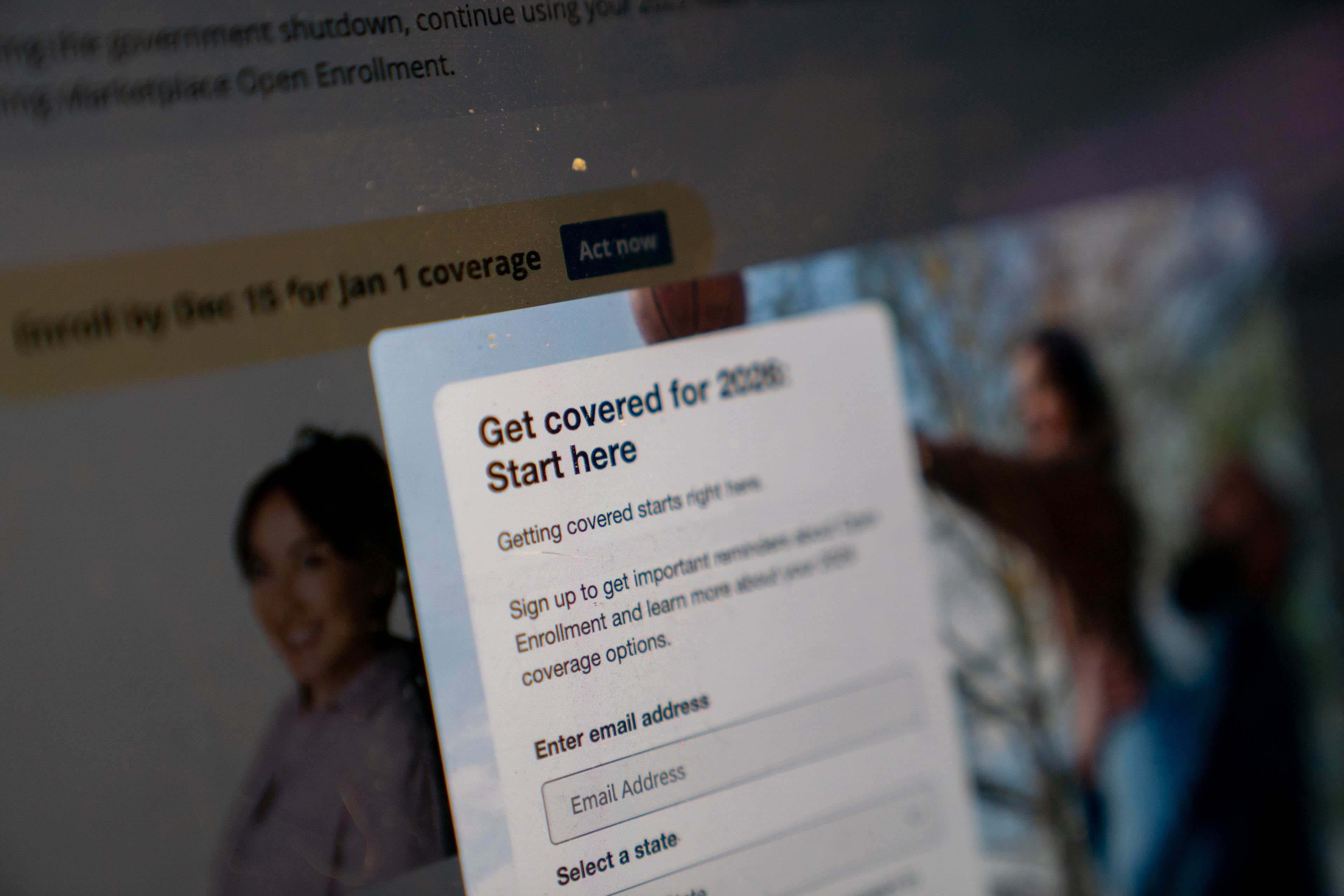
Affordable Care Act

Enhanced Premium tax credits

2025 KFF Marketplace Enrollees Survey

If the amount they pay in premiums doubles, about one in three enrollees in Affordable Care Act Marketplace health plans say they would be “very likely” to look for a lower-premium Marketplace plan.

Updated Larry QT on ePTCs

There is No Drop-Dead Date for an ACA Tax Credit Extension, But Coverage Losses Will Mount as the Clock Ticks

A discharge petition in the House paves the way for a vote on a three-year extension of the tax credits, which would provide ACA enrollees premium relief whenever it comes. While there is still time to extend the enhanced tax credits, with each passing day, more and more ACA Marketplace enrollees are going to drop their health insurance when faced with eye-popping increases in their premium payments, writes KFF’s Larry Levitt.

Timely insights and analysis from KFF staff

Subscribe to KFF Emails

Choose which emails are best for you.
Sign up here

Filter

1,031 - 1,040 of 2,754 Results

  • Poll: Large Majority of the Public, Including Half of Republicans and Trump Supporters, Say the Administration Should Try to Make the Affordable Care Act Work

    News Release

    Most Republicans Are “Disappointed” But Not “Angry” That Repeal-and-Replace Legislation Did Not Pass Senate After the Senate’s failure to pass legislation to repeal and replace the Affordable Care Act, the latest Kaiser Health Tracking Poll finds that eight in 10 Americans (78%) say President Trump and his administration should do what they can to make…

  • Insurance Coverage Changes for People with HIV Under the ACA

    Issue Brief

    This brief provides the first national estimates of changes in insurance coverage among people with HIV since the implementation of the ACA. We find that coverage increased significantly for people with HIV due to the ACA’s Medicaid expansion; indeed, increased Medicaid coverage in expansion states drove a nationwide increase in coverage for people with HIV.

  • Getting into Gear for 2014: Shifting New Medicaid Eligibility and Enrollment Policies into Drive

    Report

    On January 1, 2014, many key provisions of the Affordable Care Act (ACA) will start to go into effect, including the expansion of Medicaid to low-income adults and the launch of new Medicaid eligibility and enrollment processes, which are designed to move toward a coordinated enrollment system across health coverage programs, including Medicaid, CHIP, and the new Health Insurance Marketplaces. Over the past year, states have made steady and significant progress preparing for these changes, but readiness varies considerably as 2014 nears, and implementation work and ongoing process improvements will continue into the foreseeable future. To provide greater insight into the status of implementation, this report provides an overview of key state Medicaid eligibility and enrollment policies slated to go into effect based on data released by the Centers for Medicare and Medicaid Services (CMS).

  • Webinar for Journalists: How the Affordable Care Act Affects Baby Boomers and Medicare Beneficiaries

    Event Date:
    Event

    As part of the "Covering Health Reform" series, this webinar focused on the major changes facing older people. The Foundation's Associate Director of the Program on Medicare Policy, Juliette Cubanski and Senior Fellow Karen Pollitz discussed how the Affordable Care Act impacts Medicare benefits and beneficiaries, as well as the ACA's role for baby boomers who are not yet 65 and eligible for Medicare.

  • Fast Track to Coverage: Facilitating Enrollment of Eligible People into the Medicaid Expansion

    Issue Brief

    To help states launch the Affordable Care Act (ACA) Medicaid expansion and efficiently enroll eligible individuals, CMS has offered states a series of facilitated enrollment options. These options include strategies, referred to as “fast track enrollment” in this issue brief, that allow states to enroll eligible individuals into coverage using data already available from their Supplemental Nutrition Assistance programs (SNAP) and/or their Medicaid or Children’s Health Insurance Program (CHIP) programs for children. This issue brief provides an overview of the new “fast track” enrollment options, including how they have been implemented, their impacts, and key lessons learned. It is based on a series of interviews with state officials in Arkansas, Illinois, Oregon and West Virginia conducted by Manatt Health Solutions and the Kaiser Commission on Medicaid and the Uninsured in October 2013.

  • How Will the Uninsured in Texas Fare Under the Affordable Care Act?

    Fact Sheet

    This state report explains how the ACA expands coverage in Texas, including a breakdown of how many uninsured people are eligible for Medicaid, how many are eligible for financial assistance to help them buy private insurance in the new Marketplace and how many will not receive any financial assistance at all. The report also details, in specific dollar figures, the income levels at which people in Texas are eligible for Medicaid or financial assistance in the Marketplace. For states not expanding Medicaid, the report quantifies how many uninsured people fall into the “coverage gap,” meaning they will be ineligible for financial assistance in the Marketplace or for Medicaid in their state despite having an income below the federal poverty level.

  • How Will the Uninsured in Alabama Fare Under the Affordable Care Act?

    Fact Sheet

    This state report explains how the ACA expands coverage in Alabama, including a breakdown of how many uninsured people are eligible for Medicaid, how many are eligible for financial assistance to help them buy private insurance in the new Marketplace and how many will not receive any financial assistance at all. The report also details, in specific dollar figures, the income levels at which people in Alabama are eligible for Medicaid or financial assistance in the Marketplace. For states not expanding Medicaid, the report quantifies how many uninsured people fall into the “coverage gap,” meaning they will be ineligible for financial assistance in the Marketplace or for Medicaid in their state despite having an income below the federal poverty level.

  • How Will the Uninsured in Illinois Fare Under the Affordable Care Act?

    Fact Sheet

    This state report explains how the ACA expands coverage in Illinois, including a breakdown of how many uninsured people are eligible for Medicaid, how many are eligible for financial assistance to help them buy private insurance in the new Marketplace and how many will not receive any financial assistance at all. The report also details, in specific dollar figures, the income levels at which people in Illinois are eligible for Medicaid or financial assistance in the Marketplace. For states not expanding Medicaid, the report quantifies how many uninsured people fall into the “coverage gap,” meaning they will be ineligible for financial assistance in the Marketplace or for Medicaid in their state despite having an income below the federal poverty level.

  • How Will the Uninsured in New Hampshire Fare Under the Affordable Care Act?

    Fact Sheet

    This state report explains how the ACA expands coverage in New Hampshire, including a breakdown of how many uninsured people are eligible for Medicaid, how many are eligible for financial assistance to help them buy private insurance in the new Marketplace and how many will not receive any financial assistance at all. The report also details, in specific dollar figures, the income levels at which people in New Hampshire are eligible for Medicaid or financial assistance in the Marketplace. For states not expanding Medicaid, the report quantifies how many uninsured people fall into the “coverage gap,” meaning they will be ineligible for financial assistance in the Marketplace or for Medicaid in their state despite having an income below the federal poverty level.

  • How Will the Uninsured in North Dakota Fare Under the Affordable Care Act?

    Fact Sheet

    This state report explains how the ACA expands coverage in North Dakota, including a breakdown of how many uninsured people are eligible for Medicaid, how many are eligible for financial assistance to help them buy private insurance in the new Marketplace and how many will not receive any financial assistance at all. The report also details, in specific dollar figures, the income levels at which people in North Dakota are eligible for Medicaid or financial assistance in the Marketplace. For states not expanding Medicaid, the report quantifies how many uninsured people fall into the “coverage gap,” meaning they will be ineligible for financial assistance in the Marketplace or for Medicaid in their state despite having an income below the federal poverty level.