Uninsured

New and noteworthy

Quote from KFF President and CEO Drew Altman reads, "when it comes to the “affordability crisis” driving the national discussion of health care today, the chronically ill, and most of all the chronically ill uninsured, are the tip of the spear."

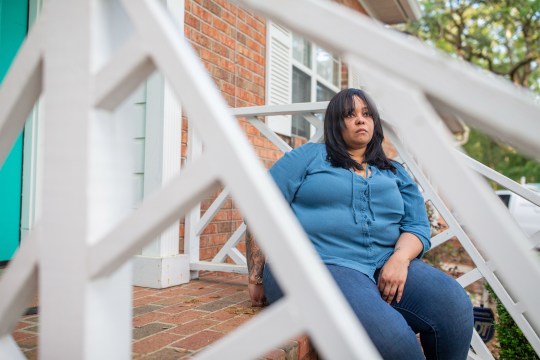
The Group that Struggles the Most in American Health Care

In a new column, Dr. Drew Altman, KFF’s Founding President and CEO, previews findings about the chronically ill uninsured from a large KFF survey of 25,000 Americans focusing on the cost and access challenges facing the chronically ill, which will be released tomorrow. He writes: “There are more than enough needs to go around in American health care, but if I had to pick the one group that struggles the most with costs and access, it would be people with chronic illnesses who are also uninsured.”


Other “Beyond the Data” columns >>

Key Facts about the Uninsured Population

The number and share of people without insurance grew in 2024, increasing for the first time since 2019, according to KFF’s analysis of data from the American Community Survey (ACS). This issue brief describes trends in health coverage in 2024, examines the characteristics of the uninsured population , and summarizes the access and financial implications of not having coverage.

Data and analysis

The coverage gap exists because some states did not expand Medicaid under the ACA to cover adults under age 65 without dependent children with incomes at/below 138% of the federal poverty level (FPL)

How Many Uninsured Are in the Coverage Gap?

An estimated 1.4 million uninsured individuals in the 10 states without Medicaid expansion, including many working adults, people of color, and those with disabilities, remain in the "coverage gap," ineligible for Medicaid or for ACA tax credits that would make coverage affordable.

The Uninsured and Health Coverage

This Health Policy 101 chapter examines the share of the United States population who are uninsured, highlighting their demographics and the challenges they face because of the lack of coverage.

Key Facts on Health Coverage of Immigrants

This fact sheet provides an overview of health coverage for immigrants based on data from the 2023 KFF/LA Times Survey of Immigrants. As of 2023, half of likely undocumented immigrant adults and one in five lawfully present immigrant adults reported being uninsured.

Who was uninsured in 2024?

Latest Polling
9.8%

The share of people under age 65 without insurance
62%

The share of uninsured adults who said they were uninsured because coverage is not affordable
59%

The share of uninsured adults who said they or someone living with them had problems paying for health care
39%

The share of uninsured adults who reported delaying or not getting needed care or medication due to cost

Stay informed.

Stay informed.

Filter

781-790 of 1,315 results

  • Pulling It Together: Predicting the Future

    Perspective

    A fair amount of attention was given recently to projections made by the Chief Actuary of the Centers for Medicare and Medicaid Services (CMS) about the new health reform law, and how they compare to previous estimates by the Congressional Budget Office (CBO). No doubt the various projections will be grist for claims made in the upcoming political season, so it is important to be clear about the differences between the two estimates and to…

  • Pulling it Together: What Conservatives Are Winning

    Perspective

    Conservatives are out of sorts these days about the direction in which health care is headed. They think the new health reform law expands the role of government too much and spends too much at a time when they believe deficit reduction should be a higher priority. The claims about death panels and a government takeover of the health system aside, these are principled positions for conservatives to take – they are supposed to be…

  • Coping with Fragmented Payment in the Real World

    Event Date:
    Event

    The Alliance for Health Reform and The Commonwealth Fund sponsored this briefing which focused on three communities that have reformed and harmonized health care payments across payers to improve care: a New York health center that serves a low income population; a Colorado community that pools money from public and private sources to provide care for all patients; and the State of Maryland, which has been using an all payer hospital rate setting system for…

  • Health Care After the Supreme Court Decision: What’s Next?

    Event Date:
    Event

    The Alliance for Health Reform and the Kaiser Family Foundation discuss the recent Supreme Court ruling on the constitutionality of the health reform law. Panelists explore such questions as: What does the court's ruling mean for those without health insurance? Will states that choose to participate in the Medicaid expansion be ready to cover nearly all non-disabled adults under age 65 with household incomes at or below 133 percent of the federal poverty level as…

  • Medicaid and SCHIP Eligibility for Immigrants

    Fact Sheet

    Immigrants in the U.S. face increasing challenges securing health care coverage. They have less access to employer-sponsored insurance than native citizens and face tighter restrictions on their eligibility for Medicaid and SCHIP, the nation’s major public health coverage programs for low-income children and families. This fact sheet provides an overview of the current rules on immigrants' eligibility for Medicaid and the State Children's Health Insurance Program. Fact Sheet (.pdf)

  • National Council of Jewish Women features article on “Diagnosing Women’s Health Care”

    Other Post

    National Council of Jewish Women features article on “Diagnosing Women’s Health Care” Kaiser Vice President and Director of Women's Health Policy, Alina Salganicoff, authored an article titled "Diagnosing Women’s Health Care" featured in the National Council of Jewish Women's magazine, NCJW Journal, volume 29. The article highlights the special challenges that many women face in affording and accessing comprehensive health care in the U.S. It discusses the state of women's health coverage, emerging issues for…

  • Toplines: National Survey of Households Affected by Cancer

    Poll Finding

        These toplines provide the complete survey questions and findings from the National Survey of Households Affected by Cancer conducted jointly by USA Today, the Kaiser Family Foundation and the Harvard School of Public Health by telephone between Aug. 1 and Sept. 14, 2006. The survey provides an in-depth look at how families cope with cancer, and in particular, examines problems of health insurance and health care costs through the lens of those who…

  • Useful Resources as the New U.S. Census Numbers on Health Coverage are Released

    Other Post

    With the U.S. Census Bureau releasing its annual update on health insurance coverage and the number of uninsured Americans shortly, Kaiser Family Foundation resources may be helpful. The Foundation and its largest program area, the Kaiser Commission on Medicaid and the Uninsured, produce several informational resources that analyze America's health insurance coverage, as well as the policy issues and public opinion regarding the uninsured. The Cost of Not Covering the Uninsured Project is an ongoing…