Uninsured

New and noteworthy

Quote from KFF President and CEO Drew Altman reads, "when it comes to the “affordability crisis” driving the national discussion of health care today, the chronically ill, and most of all the chronically ill uninsured, are the tip of the spear."

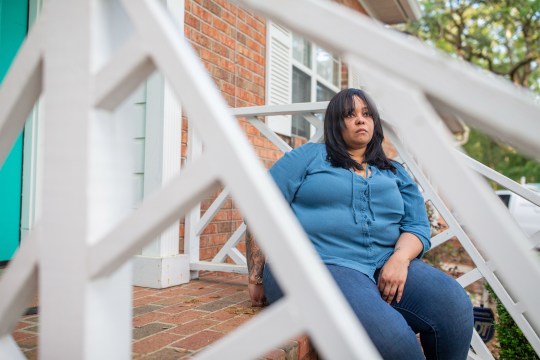
The Group that Struggles the Most in American Health Care

In a new column, Dr. Drew Altman, KFF’s Founding President and CEO, previews findings about the chronically ill uninsured from a large KFF survey of 25,000 Americans focusing on the cost and access challenges facing the chronically ill, which will be released tomorrow. He writes: “There are more than enough needs to go around in American health care, but if I had to pick the one group that struggles the most with costs and access, it would be people with chronic illnesses who are also uninsured.”

Other “Beyond the Data” columns >>

Key Facts about the Uninsured Population

The number and share of people without insurance grew in 2024, increasing for the first time since 2019, according to KFF’s analysis of data from the American Community Survey (ACS). This issue brief describes trends in health coverage in 2024, examines the characteristics of the uninsured population , and summarizes the access and financial implications of not having coverage.

Data and analysis

The coverage gap exists because some states did not expand Medicaid under the ACA to cover adults under age 65 without dependent children with incomes at/below 138% of the federal poverty level (FPL)

How Many Uninsured Are in the Coverage Gap?

An estimated 1.4 million uninsured individuals in the 10 states without Medicaid expansion, including many working adults, people of color, and those with disabilities, remain in the "coverage gap," ineligible for Medicaid or for ACA tax credits that would make coverage affordable.

The Uninsured and Health Coverage

This Health Policy 101 chapter examines the share of the United States population who are uninsured, highlighting their demographics and the challenges they face because of the lack of coverage.

Key Facts on Health Coverage of Immigrants

This fact sheet provides an overview of health coverage for immigrants based on data from the 2023 KFF/LA Times Survey of Immigrants. As of 2023, half of likely undocumented immigrant adults and one in five lawfully present immigrant adults reported being uninsured.

Who was uninsured in 2024?

Latest Polling
9.8%

The share of people under age 65 without insurance
62%

The share of uninsured adults who said they were uninsured because coverage is not affordable
59%

The share of uninsured adults who said they or someone living with them had problems paying for health care
39%

The share of uninsured adults who reported delaying or not getting needed care or medication due to cost

Stay informed.

Stay informed.

Filter

731-740 of 1,318 results

  • Resources on Community Health Centers

    Fact Sheet

    The Kaiser Family Foundation has issued three new resources that examine the role of community health centers as key components of the U.S. health care system, providing primary care to more than 16 million patients nationwide in 2007. The documents, produced for the Kaiser Commission on Medicaid and the Uninsured, include a fact sheet on community health centers, an updated issue brief on their role in the health system and a report on how such…

  • Community Health Centers in an Era of Health System Reform and Economic Downturn: Prospects and Challenges

    Issue Brief

    This issue brief reviews the role of community health centers in the nation's health care safety net. The centers provided comprehensive primary care to 16.1 million patients in 2007, many of them from lower-income families and medically underserved communities. The role of the centers is even more critical during an economic recession when families are more vulnerable to economic loss and unmet health needs. Issue Brief (.pdf)

  • How Is The Primary Care Safety Net Faring in Massachusetts? Community Health Centers In The Midst of Health Reform

    Report

    This report examines how community health centers, which provide comprehensive primary care for low-income and uninsured patients, have fared under Massachusetts' health reform law. Community health centers saw a significant increase in patient load amid the state's efforts to improve health coverage by expanding public programs and making private insurance more affordable. That experience shows that community health centers play a critical role in caring for newly insured patients while continuing to serve as the…

  • Health Care and Medicaid — Weathering the Recession

    Report

    Rising unemployment is leaving millions more Americans without health insurance, creating challenges for those seeking to stabilize coverage and shore up the nation’s health safety net. In this Perspective article, published March 26 in the New England Journal of Medicine, Diane Rowland, executive vice president of the Kaiser Family Foundation and executive director of the Kaiser Commission on Medicaid and the Uninsured, examines the ongoing recession’s impact on health coverage and state Medicaid programs, which…

  • Making Health Care Work for American Families: Medicaid and Access to Care

    Event Date:
    Event

    Diane Rowland, executive vice president of the Kaiser Family Foundation and executive director of the Foundation's Commission on Medicaid and the Uninsured, testified March 24, 2009, before the House Energy and Commerce Subcommittee on Health as part of a hearing entitled “Making Health Care Work for American Families: Access to Care." Rowland, appearing as part of a panel, addressed why Medicaid can be a platform for health care reform and can be instrumental in efforts…

  • Today’s Topics In Health Disparities: The Effect of the Economic Downturn on the Health of Communities of Color

    Event Date:
    Event

    Transcript (.pdf) On Wednesday, March 25, the Kaiser Family Foundation held a live, interactive webcast to examine the economic downturn’s impact on health care in communities of color as part of its Today's Topics In Health Disparities series. Rising unemployment has left many families uninsured and increasingly strained family finances are prompting some Americans to cut back on medications and forgo preventive care. The panel discussed these and other potential implications of the economic crisis,…

  • National Health Insurance — A Brief History Of Reform Efforts In The U.S.

    Issue Brief

    This policy brief provides an overview of health reform efforts in the United States over much of the last century, from New Deal-era calls for government-subsidized health coverage to the creation of Medicare and Medicaid in the 1960s and the failed attempt at universal coverage in the early 1990s. Issue Brief (.pdf)

  • Pulling it Together: What Will Health Reform Do For Me?

    Perspective

    There is one poll number that may be more important to watch than any other if we have a big debate about health reform: The percentage of Americans who think that they or their families would be better off if the president and the Congress enacted major health reform legislation. It's a number that signals whether people think that health reform legislation will actually help them with the problems they are having in the current…

  • Children’s Health Insurance Program Reauthorization Act of 2009 (CHIPRA)

    Fact Sheet

    This fact sheet provides an overview of provisions of the Children's Health Insurance Program Reauthorization Act of 2009 (CHIPRA), which was signed into law in February 2009. The Act extends and expands the State Children's Health Insurance Program (now referred to as CHIP, not SCHIP) that was enacted with bipartisan support a decade ago as part of the Balanced Budget Act of 1997 (BBA). Fact Sheet (.pdf) Fact Sheet: State Adoption of Coverage and Enrollment…

  • The Cost of Cancer

    Video

    This Kaiser Family Foundation documentary explores the financial consequences faced by three people, all privately insured, after being diagnosed with cancer. It was released in conjunction with a joint Kaiser/American Cancer Society report, "Spending To Survive: Cancer Patients Confront Holes in the Health Insurance System." The Cost of Cancer: Tom Olszewski Tom Olszewski, a retiree who lives in Texas, had prostate cancer but has been in remission for a decade. His medical history made it…