Uninsured

New and noteworthy

Quote from KFF President and CEO Drew Altman reads, "when it comes to the “affordability crisis” driving the national discussion of health care today, the chronically ill, and most of all the chronically ill uninsured, are the tip of the spear."

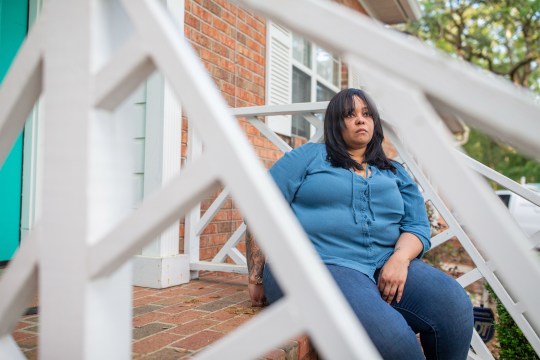
The Group that Struggles the Most in American Health Care

In a new column, Dr. Drew Altman, KFF’s Founding President and CEO, previews findings about the chronically ill uninsured from a large KFF survey of 25,000 Americans focusing on the cost and access challenges facing the chronically ill, which will be released tomorrow. He writes: “There are more than enough needs to go around in American health care, but if I had to pick the one group that struggles the most with costs and access, it would be people with chronic illnesses who are also uninsured.”


Other “Beyond the Data” columns >>

Key Facts about the Uninsured Population

The number and share of people without insurance grew in 2024, increasing for the first time since 2019, according to KFF’s analysis of data from the American Community Survey (ACS). This issue brief describes trends in health coverage in 2024, examines the characteristics of the uninsured population , and summarizes the access and financial implications of not having coverage.

Data and analysis

The coverage gap exists because some states did not expand Medicaid under the ACA to cover adults under age 65 without dependent children with incomes at/below 138% of the federal poverty level (FPL)

How Many Uninsured Are in the Coverage Gap?

An estimated 1.4 million uninsured individuals in the 10 states without Medicaid expansion, including many working adults, people of color, and those with disabilities, remain in the "coverage gap," ineligible for Medicaid or for ACA tax credits that would make coverage affordable.

The Uninsured and Health Coverage

This Health Policy 101 chapter examines the share of the United States population who are uninsured, highlighting their demographics and the challenges they face because of the lack of coverage.

Key Facts on Health Coverage of Immigrants

This fact sheet provides an overview of health coverage for immigrants based on data from the 2023 KFF/LA Times Survey of Immigrants. As of 2023, half of likely undocumented immigrant adults and one in five lawfully present immigrant adults reported being uninsured.

Who was uninsured in 2024?

Latest Polling
9.8%

The share of people under age 65 without insurance
62%

The share of uninsured adults who said they were uninsured because coverage is not affordable
59%

The share of uninsured adults who said they or someone living with them had problems paying for health care
39%

The share of uninsured adults who reported delaying or not getting needed care or medication due to cost

Stay informed.

Stay informed.

Filter

631-640 of 1,318 results

  • Chartpack: Kaiser Health Tracking Poll — December 2009

    Poll Finding

    This document contains the chartpack from the December Health Tracking Poll. The survey was designed and analyzed by public opinion researchers at the Kaiser Family Foundation and was conducted December 7 through December 13, 2009, among a nationally representative random sample of 1,204 adults ages 18 and older. Telephone interviews conducted by landline (801) and cell phone (403, including 111 who had no landline telephone) were carried out in English and Spanish. The margin of…

  • Health Insurance Coverage for Older Adults: Implications of a Medicare Buy-In

    Issue Brief

    As the Senate debates comprehensive health reform legislation, the idea of a Medicare buy-in option for uninsured adults aged 55-64 has re-emerged as a potential component of a reform plan. This Kaiser Family Foundation policy brief provides an updated profile of the more than 4 million uninsured people between ages 55 and 64 and examines historical proposals to allow uninsured older adults to purchase Medicare coverage. It also examines barriers to securing affordable coverage in…

  • Kaiser Health Tracking Poll — December 2009

    Poll Finding

    The December Kaiser Health Tracking Poll finds a dip on several measures of public opinion on health care reform. The number of Americans who say they personally will be better off if reform passes fell to 35 percent in December, down from 42 percent last month. Meanwhile, 27 percent say they will be worse off, and 32 percent said they don’t expect to see much of a difference. Similarly, 45 percent say the country would…

  • Immigrants’ Health Coverage and Health Reform: Key Questions and Answers

    Issue Brief

    As health reform discussions continue, there has been some focus on health coverage for immigrants and how immigrants will be treated under reform plans being considered on Capitol Hill. This issue brief provides an overview of key questions related to immigrants' health coverage and health reform, addressing subjects such as how immigrants receive health coverage, how many of the uninsured are non-citizen immigrants and what would happen to coverage for non-citizen immigrants under current health…

  • Key Findings: Kaiser Health Tracking Poll — December 2009

    Poll Finding

    This document contains the key findings from the December Health Tracking Poll. The survey was designed and analyzed by public opinion researchers at the Kaiser Family Foundation and was conducted December 7 through December 13, 2009, among a nationally representative random sample of 1,204 adults ages 18 and older. Telephone interviews conducted by landline (801) and cell phone (403, including 111 who had no landline telephone) were carried out in English and Spanish. The margin…

  • Toplines: Kaiser Health Tracking Poll — December 2009

    Poll Finding

    This document contains the toplines from the December Health Tracking Poll. The survey was designed and analyzed by public opinion researchers at the Kaiser Family Foundation and was conducted December 7 through December 13, 2009, among a nationally representative random sample of 1,204 adults ages 18 and older. Telephone interviews conducted by landline (801) and cell phone (403, including 111 who had no landline telephone) were carried out in English and Spanish. The margin of…

  • Briefing – A Foundation for Health Reform: Findings of An Annual 50-State Survey of Eligibility Rules, Enrollment and Renewal Procedures and Cost-Sharing Practices in Medicaid and CHIP for Children and Parents During 2009

    Report

    In 2009, despite the bleakest economic picture in years, states managed to safeguard and in some cases expand health coverage for children and parents in their Medicaid and Children's Health Insurance Programs, according to the Kaiser Family Foundation's annual 50-state survey of Medicaid and CHIP eligibility rules, enrollment and renewal procedures and cost-sharing Practices. That was in large part due to the substantial help that states received through the congressional reauthorization of CHIP and the…

  • Health Care In New Orleans: Progress and Remaining Challenges

    Event Date:
    Event

    On Dec. 3, 2009, Diane Rowland, the Foundation Executive Vice President and Executive Director of the Kaiser Commission on Medicaid and the Uninsured, delivered this testimony on the post-Katrina recovery efforts to restore health care to the New Orleans area before the U.S.House Committee on Oversight and Government Reform. Testimony (.pdf)

  • A Foundation for Health Reform: Findings of An Annual 50-State Survey of Eligibility Rules, Enrollment and Renewal Procedures and Cost-Sharing Practices in Medicaid and CHIP for Children and Parents During 2009

    Report

    In 2009, despite the bleakest economic picture in years, states managed to safeguard and in some cases expand health coverage for children and parents in their Medicaid and Children's Health Insurance Programs, according to the Kaiser Family Foundation's annual 50-state survey of Medicaid and CHIP eligibility rules, enrollment and renewal procedures and cost-sharing Practices. That was in large part due to the substantial help that states received through the congressional reauthorization of CHIP and the…

  • Getting the Most Bang for Our Health Reform Buck: Enrolling and Retaining Everyone Who’s Eligible

    Event Date:
    Event

    As Congress looks for ways to increase access to health care, existing programs such as Medicaid and the Children's Health Insurance Program are often overlooked. Yet enrolling those who are eligible for such programs is one of the easiest ways to expand coverage. This briefing, co-sponsored by Alliance for Health Reform and the Pharmaceutical Research and Manufacturers of America (PhRMA), looked at ways to streamline recruitment and enrollment, while exploring how expanding Medicaid and CHIP…