Uninsured

New and noteworthy

Quote from KFF President and CEO Drew Altman reads, "when it comes to the “affordability crisis” driving the national discussion of health care today, the chronically ill, and most of all the chronically ill uninsured, are the tip of the spear."

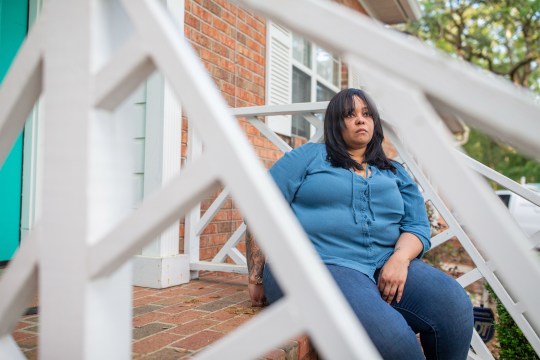
The Group that Struggles the Most in American Health Care

In a new column, Dr. Drew Altman, KFF’s Founding President and CEO, previews findings about the chronically ill uninsured from a large KFF survey of 25,000 Americans focusing on the cost and access challenges facing the chronically ill, which will be released tomorrow. He writes: “There are more than enough needs to go around in American health care, but if I had to pick the one group that struggles the most with costs and access, it would be people with chronic illnesses who are also uninsured.”


Other “Beyond the Data” columns >>

Key Facts about the Uninsured Population

The number and share of people without insurance grew in 2024, increasing for the first time since 2019, according to KFF’s analysis of data from the American Community Survey (ACS). This issue brief describes trends in health coverage in 2024, examines the characteristics of the uninsured population , and summarizes the access and financial implications of not having coverage.

Data and analysis

The coverage gap exists because some states did not expand Medicaid under the ACA to cover adults under age 65 without dependent children with incomes at/below 138% of the federal poverty level (FPL)

How Many Uninsured Are in the Coverage Gap?

An estimated 1.4 million uninsured individuals in the 10 states without Medicaid expansion, including many working adults, people of color, and those with disabilities, remain in the "coverage gap," ineligible for Medicaid or for ACA tax credits that would make coverage affordable.

The Uninsured and Health Coverage

This Health Policy 101 chapter examines the share of the United States population who are uninsured, highlighting their demographics and the challenges they face because of the lack of coverage.

Key Facts on Health Coverage of Immigrants

This fact sheet provides an overview of health coverage for immigrants based on data from the 2023 KFF/LA Times Survey of Immigrants. As of 2023, half of likely undocumented immigrant adults and one in five lawfully present immigrant adults reported being uninsured.

Who was uninsured in 2024?

Latest Polling
9.8%

The share of people under age 65 without insurance
62%

The share of uninsured adults who said they were uninsured because coverage is not affordable
59%

The share of uninsured adults who said they or someone living with them had problems paying for health care
39%

The share of uninsured adults who reported delaying or not getting needed care or medication due to cost

Stay informed.

Stay informed.

Filter

621-630 of 1,316 results

  • Covering the Remaining Uninsured: Not Just a Red-State Issue

    News Release

    In his latest column for The Wall Street Journal’s Think Tank, Drew Altman explains why covering the nation’s remaining uninsured population is more than just a red state issue. All previous columns by Drew Altman are available online.  

  • Health Insurance Coverage in 2013: Gains in Public Coverage Continue to Offset Loss of Private Insurance

    Issue Brief

    The recession accelerated the long-standing decline in employer-sponsored health insurance and through 2013 most of the recovery in the uninsured rate was due to increased enrollment in public insurance, primarily Medicaid and the Children’s Health Insurance Program (CHIP). With the exception of young adults ages 19 to 25, who are able to remain on their parents’ health plan until age 26 under the ACA, ESI coverage rates for adults and children continued to decrease between…

  • Access to Care for the Insured and Remaining Uninsured: A Look at California During Year One of ACA Implementation

    Issue Brief

    California is a bellwether state for understanding the impact of the Affordable Care Act (ACA). Much attention has been paid to enrollment in California's new coverage options, such as the Medicaid expansion (Medi-Cal) and plans sold through ACA marketplaces (Covered California), and to changes in the uninsured from 2013 to 2014. However, less is known about how this coverage has affected people’s access to care and financial security, and why others remain uninsured. This report,…

  • What We Do and Don’t Know About Recent Trends in Health Insurance Coverage in the US

    Policy Watch

    The release of the Census Bureau’s annual health insurance estimates for 2019 highlighted the challenges posed by the lag in data on insurance coverage given the unprecedented social and economic changes that have occurred since the 2019 data were collected. This post discusses trends in insurance coverage leading up to the start of the pandemic and what we know about more recent changes in coverage.

  • Hispanic People are Facing Widening Gaps in Health Coverage

    Policy Watch

    New analysis shows that, in 2019, the number of uninsured continued to increase for the third year in a row. Much of the coverage loss between 2018 and 2019 was among Hispanic people, and these data point to significant increased barriers to health care for Hispanic people.

  • Which Path for Health-Care Politics in 2015?

    News Release

    In his first 2015 column for The Wall Street Journal's Think Tank, Drew Altman explains why this year, status quo for the Affordable Care Act is not an option and how the Supreme Court rules in King v. Burwell will determine its path. All previous columns by Drew Altman are available online.

  • Proposed Medicaid Expansion in Tennessee

    Fact Sheet

    This fact sheet describes Tennessee’s 1115 waiver demonstration project, Insure Tennessee, which expands the State’s Medicaid program under the Affordable Care Act.

  • With Government Funding Running Out, Americans Could Soon Face New Challenges in Accessing COVID-19 Treatments and Testing

    News Release

    A new KFF brief analyzes how the accessibility and cost of COVID-19 vaccines, treatments, and tests will change after the current government supply is depleted and the public health emergency ends. The Biden Administration has announced that it will have to end its purchase and distribution of COVID supplies as government funding is depleted. The public health emergency was recently extended for 90 additional days but is widely expected to end next year. These developments…

  • State Medicaid Disenrollments

    What Do the Early Medicaid Unwinding Data Tell Us?

    Policy Watch

    As states begin to unwind the COVID emergency continuous enrollment provision and resume Medicaid disenrollments, early data from a handful of states – highlighted on KFF’s regularly-updated Medicaid Enrollment and Unwinding Tracker -- reveal wide variation in disenrollment rates.