Private Insurance

Health Care Affordability

BTD Health Policy in 2026

Health Policy in 2026

President and CEO Dr. Drew Altman forecasts eight things to look for in health policy in 2026. “First and foremost,” he writes, “is the role health care affordability will play in the midterms.” And, he notes: “The average cost of a family policy for employers could approach $30,000 and cost sharing and deductibles will rise again after plateauing for several years.”

View all of Drew’s Beyond the Data Columns

Subscribe to KFF Emails

Choose which emails are best for you.
Sign up here

Filter

851 - 860 of 896 Results

  • Millions of Uninsured People Can Get Free ACA Plans

    Policy Watch

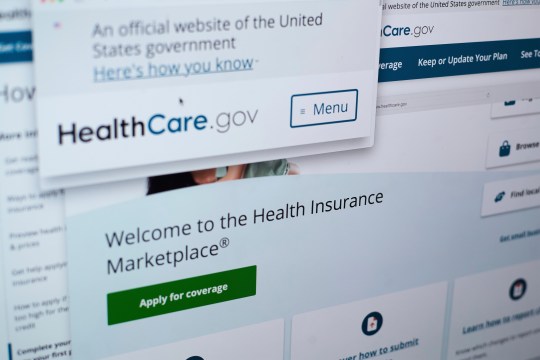
    This post estimates that about 5 million uninsured people across the country could get coverage through an Affordable Care Act (ACA) Marketplace health plan with virtually no monthly premium if they enroll during the 2023 open enrollment period, which runs through Jan. 15 in most states.

  • New KFF Analysis Examines Rapidly Evolving Federal Policies For Substance Use Disorder Treatment for the Opioid Epidemic  

    News Release

    A new KFF analysis finds that 24 percent more buprenorphine, a medication to treat opioid use disorder, was dispensed in 2022 than in 2019, the year before the pandemic brought a surge of opioid overdose deaths – and a focus on how to expand access and treatment. This upward trend in buprenorphine distribution, already in motion before the pandemic, continued throughout the COVID public health crisis, suggesting continued improvements in access to treatment even as…

  • 2022 Survey of ACA Marketplace Assister Programs and Brokers

    Report

    This survey of Marketplace assister programs and brokers tracks the experiences of professionals signing people up for Affordable Care Act coverage. It also examines the role that these programs expect to play when the COVID-19 public health emergency (PHE) ends, potentially ending Medicaid eligibility for millions of Medicaid enrollees.

  • With Government Funding Running Out, Americans Could Soon Face New Challenges in Accessing COVID-19 Treatments and Testing

    News Release

    A new KFF brief analyzes how the accessibility and cost of COVID-19 vaccines, treatments, and tests will change after the current government supply is depleted and the public health emergency ends. The Biden Administration has announced that it will have to end its purchase and distribution of COVID supplies as government funding is depleted. The public health emergency was recently extended for 90 additional days but is widely expected to end next year. These developments…

  • Coverage of Sexual and Reproductive Health Services in Medicare

    Issue Brief

    This brief describes Medicare coverage of sexual and reproductive health services, including contraception, and compares that coverage with private insurance plans and Medicaid. These benefits are particularly relevant to nearly 1 million women of reproductive age (20-49) who are eligible for Medicare due to having a long-term disability.

  • The Implications of the Public’s Pre-existing Condition Amnesia

    Perspective

    KFF’s Larry Levitt discusses waning awareness of the Affordable Care Act’s provisions protecting people with pre-existing conditions and examines the Republican Study Committee's budget proposal, which proposes to repeal the provisions.

  • Lowering the Age of Medicare Eligibility to 60 Could Reduce the Cost of Health Care and Have a Modest Effect on the Number of People Who Are Uninsured

    News Release

    A new KFF analysis shows that lowering the age of Medicare eligibility to 60 could improve the affordability of coverage for people who are already insured and expand coverage to over a million of the nation’s 30 million uninsured. Such a policy could provide a path to Medicare coverage for up to 11.7 million people with employer-based insurance and 2.4 million with private, non-group coverage who are ages 60 to 64, although it is unclear…

  • Examining Prior Authorization in Health Insurance

    Policy Watch

    This post explains what's known about how insurers use prior authorization as a tool to control costs and encourage cost-effective care, the state and federal laws that govern it, and ongoing policy debates over efforts to impose standards to limit or regulate its use.