Private Insurance

Health Care Affordability

BTD Health Policy in 2026

Health Policy in 2026

President and CEO Dr. Drew Altman forecasts eight things to look for in health policy in 2026. “First and foremost,” he writes, “is the role health care affordability will play in the midterms.” And, he notes: “The average cost of a family policy for employers could approach $30,000 and cost sharing and deductibles will rise again after plateauing for several years.”

View all of Drew’s Beyond the Data Columns

Stay informed.

Stay informed.

Filter

351 - 360 of 900 Results

  • ACA Open Enrollment: If You Shop on Private Websites Instead of HealthCare.gov

    Fact Sheet

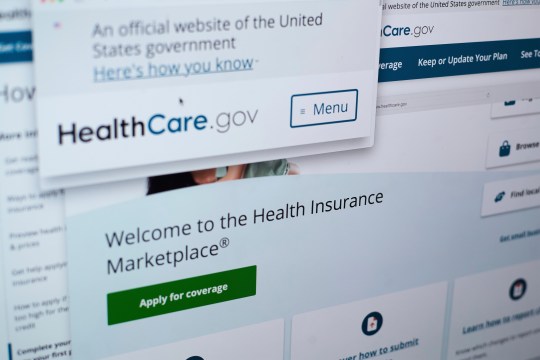
    Marketplace plans can now be sold through private websites, sometimes described as "direct enrollment” sites or “certified enrollment partner” sites. This short fact sheet explains how these sites and the plans they offer may differ from what consumers will find on HealthCare.gov.

  • Poll: Democrats Say They Are Hearing Enough From Presidential Candidates About Medicare-for-All and Expanding Coverage, But Want Them to Talk More about Health Costs and Women’s Health Care

    News Release

    Heading into tonight’s Democratic primary debate, most Democrats and Democratic-leaning independents say the candidates are spending the right amount or too much time talking about ways to provide coverage to more Americans and Medicare-for-all, two topics that have dominated health care discussions in the past three rounds of Democratic debates, the latest KFF Health Tracking Poll finds. In contrast, large shares of Democrats and Democratic-leaning independents say that the presidential candidates are spending too little…

  • Nearly 54 Million Americans Have Pre-Existing Conditions That Would Make Them Uninsurable in the Individual Market without the ACA

    News Release

    Almost Half of Non-Elderly Families have At Least One Adult with a Pre-Existing Condition An updated KFF analysis estimates that almost 54 million people – or 27% of all adults under 65 —have pre-existing health conditions that would likely have made them uninsurable in the individual markets that existed in most states before the Affordable Care Act. The share of adults under 65 with such declinable pre-existing conditions varies significantly across states, from at least…

  • Pre-Existing Condition Prevalence for Individuals and Families

    Issue Brief

    This analysis estimates that almost 54 million people – or 27% of all adults under 65 —have pre-existing health conditions that would likely have made them uninsurable in the individual markets that existed in most states before the Affordable Care Act. Almost half (45%) of non-elderly families include at least one adult with such a pre-existing condition. The analysis also includes estimates by age, state and gender.

  • Benchmark Employer Survey Finds Average Family Premiums Now Top $20,000

    News Release

    Annual family premiums for employer-sponsored health insurance rose 5% to average $20,576 this year, according to the 2019 benchmark KFF Employer Health Benefits Survey released today. Workers’ wages rose 3.4% and inflation rose 2% over the same period. On average, workers this year are contributing $6,015 toward the cost of family coverage, with employers paying the rest.

  • Web Briefing for Media: 2019 Employer Health Benefits Survey

    Event Date:
    Event

    The Kaiser Family Foundation held a reporters-only web briefing on Wednesday, Sept. 25 to release the 2019 benchmark Employer Health Benefits Survey. This 21st annual survey provides a detailed look at the current state of employer-based coverage and trends in private health insurance for both large and small firms. Key findings examine average premiums for workers and employers and their rate of increase; average deductibles, drug co-payments and other cost sharing; the share of firms…

  • Premiums and Worker Contributions Among Workers Covered by Employer-Sponsored Coverage, 1999-2019

    Interactive

    This graphing tool allows users to explore trends in workplace-sponsored health insurance premiums and worker contributions over time for different categories of employers based on results from the annual Employer Health Benefits Survey. Breakouts are available by firm size, region and industry, as well as for firms with relatively few or many part-time workers, higher- or lower-wage workers, and older or younger workers.