Health Costs

Affordability and Spending

Public Views on Prescription Drug Costs: Regulation, Affordability and TrumpRx

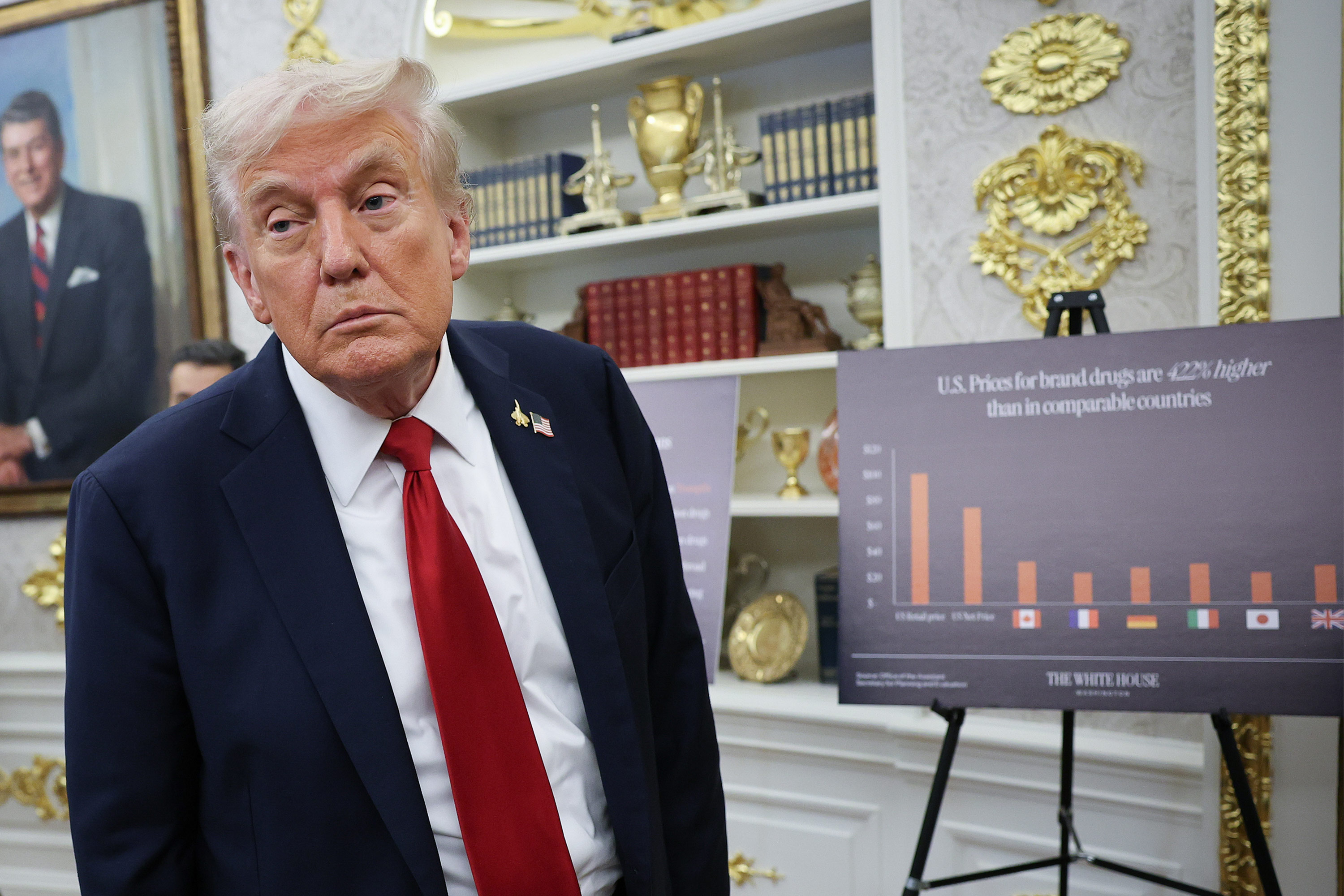
Amid the Trump administration’s focus on lowering prescription drug costs, including its new TrumpRx website, KFF’s Health Tracking Poll finds that most Americans (59%) are worried about affording prescription drugs and support more regulation of prescription drug pricing (72%). Looking ahead to the 2026 midterm elections, the Democratic party currently holds the advantage when it comes to who voters trust to address the cost of health care, including prescription drugs.

Affordable care act

Poll: Health Care Costs, Expiring ACA Tax Credits, and the 2026 Midterms

Heading into this midterm election year, the cost of health care tops the public’s economic anxieties, and more than 4 in 10 voters say the issue will have a major impact on their vote, a new KFF Health Tracking poll finds. Two thirds of public say Congress "did the wrong thing" by not extending ACA enhanced tax credits, but Republicans largely say Congress “did the right thing.”

Health System Tracker

How Does Health Spending in the U.S. Compare to Other Countries? While the U.S. still spends the most in total dollars, eight OECD nations had a higher percentage increase in per-person health spending in 2024.


How Does Cost Affect Access to Health Care? In 2024, about 1 in 6 adults reported delaying or not getting healthcare due to cost, including medical or mental health care.


How Do Health Expenditures Vary Across the Population? Five percent of the population made up nearly half of all health spendings, pending an average of $72,918 annually in 2023.

NHE explorer

National Health Spending Explorer: Get up-to-date information on U.S. health spending by federal and local governments, private companies, and individuals.

Filter

751 - 760 of 1,560 Results

  • Prescription Drugs: Results from a National Survey

    Fact Sheet

    Prescription drugs have become an integral part of medical practice - they help keep people healthy and save lives. But rising prescription drug costs have placed a growing burden on consumers, employers, and public programs. The issue of drug coverage for seniors under Medicare has moved to center stage in the Presidential election.

  • Prescription Drug Trends: A Chartbook

    Report

    Prescription Drug Trends - A Chartbook, an analysis by the Kaiser Family Foundation and the Sonderegger Research Center, University of Wisconsin-Madison, provides information about trends in prescription drug coverage, spending, prices, use, and industry structure.

  • Recent Attitudes Towards Patients Rights and Managed Care

    Report

    Newly released survey findings show continued public support for patient protections, including the right to sue health plans, but that support erodes if people believe that the cost of health insurance may increase or that companies might stop offering health coverage to their workers.

  • The Working Uninsured in California and the US

    Issue Brief

    This issue brief, prepared by Linda Blumberg and Len Nichols of the Urban Institute, examines the factors contributing to the disproportionately high rates of uninsurance among California's workers compared to the

  • National Survey of Small Businesses – Toplines

    Poll Finding

    National Survey of Small Businesses Toplines from a new survey that finds that two-thirds of small employers say that they are dissatisfied with the cost of health care and health insurance, and about one-third of small businesses that now offer insurance say they are likely to increase the share of costs borne by employees in…

  • Medicare Chartbook

    Report

    The Medicare Chartbook includes data and background information critical to understanding the Medicare program and the challenges it faces in keeping up with the rising costs of health care and in ensuring the program s future financial security.

  • Kaiser /Harvard Survey of Americans on Health Policy

    Poll Finding

    A telephone survey of 1,011 adults (between June 20 and July 9, 1996) about how health care reform (specifically Medicare reform, MSAs and the Kassebaum/Kennedy bill) fits into the upcoming November election. The survey was designed by the Kaiser Family Foundation, Harvard University, and Princeton Survey Research Associates (PSRA). The survey was conducted by PSRA.