Health Costs

Health Care Affordability

Trump Has No Health Plan, He Has the Art of the Health Care Deal

Trump Has No Health Plan, He Has the Art of the Health Care Deal

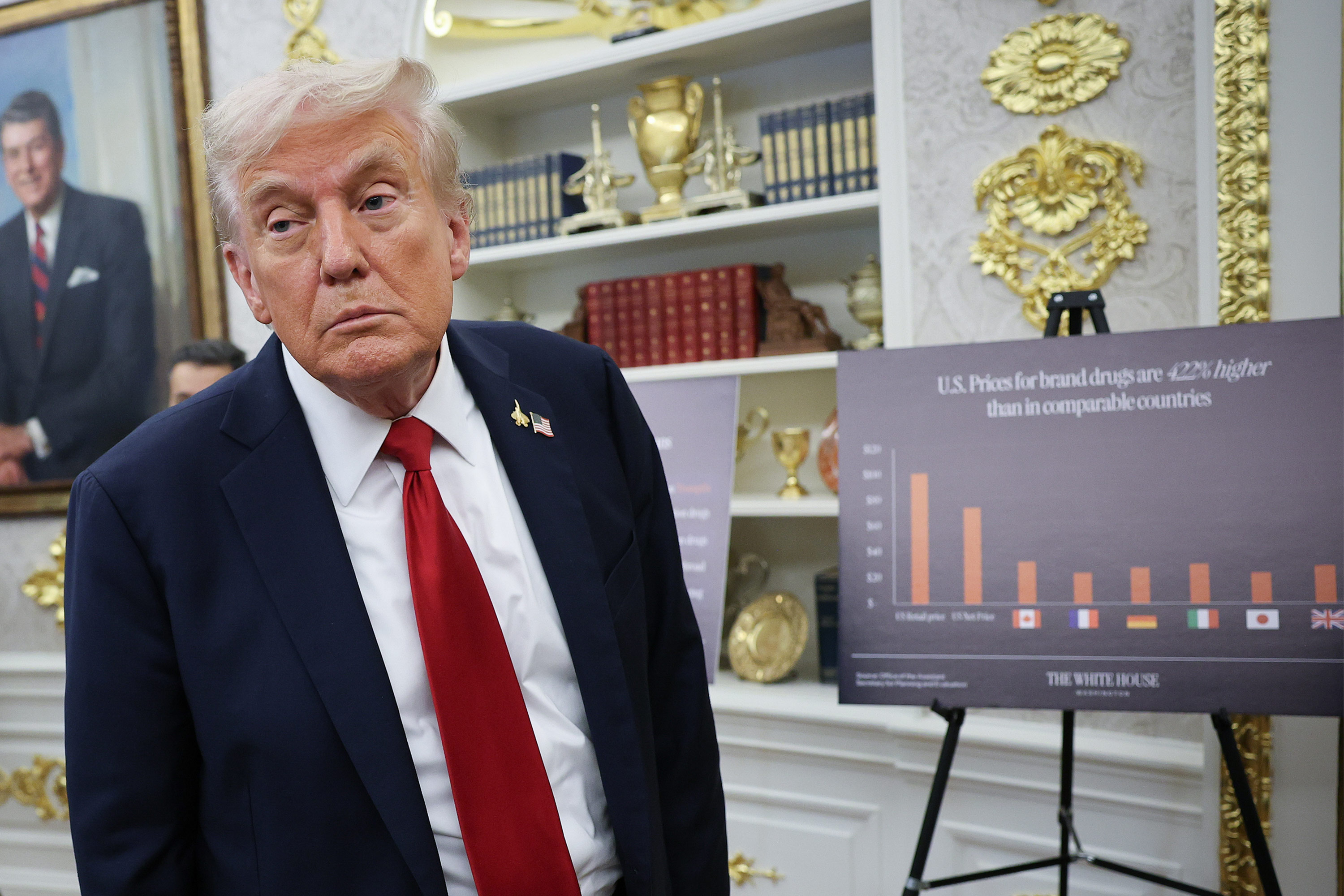
KFF CEO Dr. Drew Altman analyzes President Trump’s “make a deal” approach to health care. He explains that while the president doesn’t have a health reform plan, or even “concepts of a plan,” or a replacement for the ACA, he does have a distinctive set of tactics that features one-off deals with the health care industry that are more like “health policy by transaction.” He writes that the deals “even do some good,” but “don’t change the long-term incentives of health care companies that participate in the deals,” and a big question is “whether they have staying power.”

Affordable Care Act

Updated Larry QT on ePTCs

There is No Drop-Dead Date for an ACA Tax Credit Extension, But Coverage Losses Will Mount as the Clock Ticks

While the Affordable Care Act’s enhanced premium tax credits expired at the end of 2025, there is no absolute drop-dead date for extending them. An extension could happen even after the deadline to sign up for coverage and be made retroactive to January 1. Open enrollment could also be extended to allow people time to change their plans or allow new people to sign up. ACA enrollees would welcome premium relief whenever it comes, explains KFF's Larry Levitt.

Policy Changes Bring Renewed Focus on High-Deductible Health Plans 

Policy changes, anticipated increases in premium costs for enrollees, and new standards for health savings accounts may encourage consumers to seek out plans with lower premiums but higher deductibles. This issue brief explores the features of bronze and catastrophic plans, coverage and costs, and the complicated choices consumers face.

KEY RESOURCES
  • Health Policy 101: Costs and Affordability

    This Health Policy 101 chapter explores trends in health care costs in the U.S. and the factors that contribute to this spending. It also examines how health care spending varies and the impact on affordability and people's overall financial vulnerability.  


  • Americans’ Challenges with Health Care Costs

    This data note reviews our recent polling data that finds that Americans struggle to afford many aspects of health care, including disproportionate shares of uninsured adults, Black and Hispanic adults and those with lower incomes.

  • National Health Spending Explorer

    This interactive Peterson-KFF Health System Tracker tool allows users to examine five decades worth of data on health expenditures by federal and local governments, private insurers, and individuals.

  • Polling on Prescription Drugs and Their Prices

    This chart collection draws on recent KFF poll findings to provide an in-depth look at the public’s attitudes toward prescription drugs and their prices. Results include Americans’ opinions on drug affordability, pharmaceutical companies, and various potential measures that could lower prices.

Subscribe to KFF Emails

Choose which emails are best for you.
Sign up here

Filter

1,471 - 1,480 of 1,544 Results

  • Medical Debt Among New Mothers

    Issue Brief

    This analysis examines the share of new mothers who have significant medical debt (in excess of $250), compared to other young women who did not recently give birth, using data from the Survey of Income and Program Participation (SIPP).

  • Medicare Spending on Ozempic and Other GLP-1s Is Skyrocketing

    Policy Watch

    This policy watch analyzes the latest data on Medicare Part D spending on GLP-1 drugs, initially approved to treat diabetes but in high demand as treatments for obesity, and shows how spending on these drugs has increased substantially in recent years.

  • Gross Medicare Spending on Ozempic and Other GLP-1s Is Already Skyrocketing – Even Though Medicare Cannot Cover The Drugs for Weight Loss

    News Release

    A KFF analysis shows that gross total Medicare spending on Ozempic and other similar drugs has increased dramatically in recent years – even though Medicare is explicitly prohibited by law from covering the drugs for obesity. That’s because Medicare now covers the drugs, known as GLP-1s, for other medically accepted indications, including to treat diabetes.

  • Why Affordability Is the Big Tent

    From Drew Altman

    In this column, KFF President and CEO Drew Altman explores why the public's concerns about out-of-pocket health costs make health care affordability the health policy issue most likely to resonate with voters across the political spectrum.

  • The Burden of Medical Debt in the United States

    Issue Brief

    This analysis uses government data to examine the burden of medical debt, including variations based on state, age, race and ethnicity, and health status. It estimates that people in the United States owe at least $220 billion in medical debt.

  • The Next Big Debate in Health Care

    From Drew Altman

    In this Wall Street Journal Think Tank column, Drew Altman discusses why adequacy of health coverage will rise as an issue when
    the political world moves on from its focus on the Affordable Care Act.

  • Medicaid’s Most Costly Outpatient Drugs

    Issue Brief

    Using Medicaid State Drug Utilization Data, this brief presents the 50 most costly drugs before rebates used by the Medicaid program over the January 2014 through June 2015 period. It then examines reasons why these drugs are so costly; explores case studies on opioids, hepatitis C drugs, and the drug Abilify; and considers policy implications.