COVID-19

New and Noteworthy

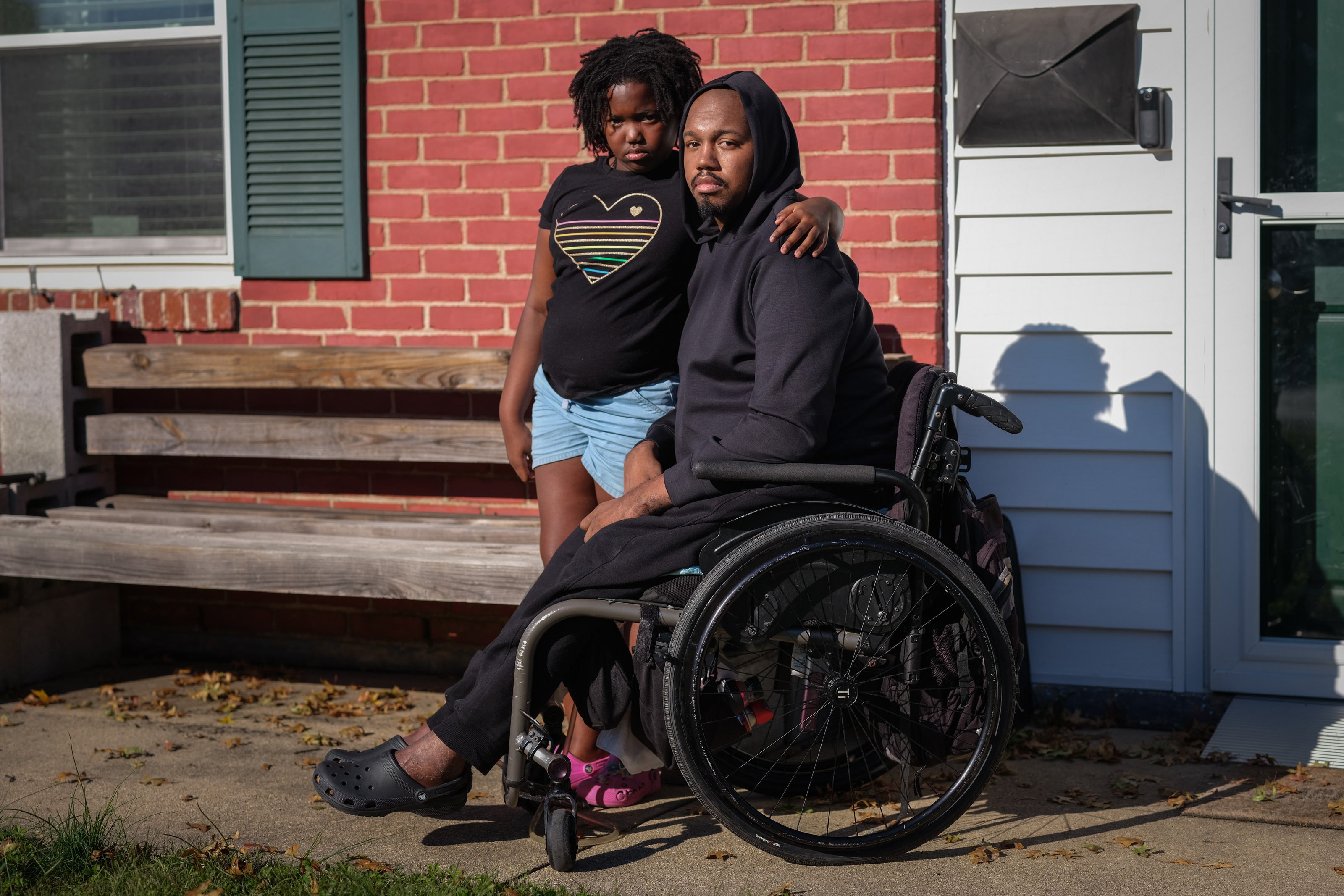
Poll: Most Adults Do Not Expect to Get a COVID-19 Shot This Fall; Many Parents Confused About Recommendations for Children

As federal vaccine policy changes, this poll finds that most adults do not expect to get a COVID-19 vaccine this fall , and many parents are confused and uncertain about whether the vaccine is recommended for healthy children this year. About one in adults nationally say the changes to vaccine policy are making people safer, while more than a third say they are making people less safe.

Additional Resources

Global COVID-19 Tracker

This tracker provides the number of cases and deaths from novel coronavirus by country, the trend in case and death counts by country, and a global map of showing which countries have cases and deaths.

COVID-19 and Related State Data

Use this tool to create custom reports of COVID-19 and related state data. Group COVID-19 cases and deaths with indicators like total hospitalizations, vaccinations and mental illness.

Subscribe to KFF Emails

Choose which emails are best for you.
Sign up here

Filter

211 - 220 of 778 Results

  • KFF COVID-19 Vaccine Monitor: Early Omicron Update

    Poll Finding

    This analysis from the KFF COVID-19 Vaccine Monitor explores the public's response to the news about the omicron variant of coronavirus, and finds that while it may convince vaccinated adults to get their COVID-19 booster vaccine, unvaccinated adults are largely unmoved by the news.

  • Community Health Centers in the U.S. Territories and the Freely Associated States

    Issue Brief

    The U.S territories and the Freely Associated States (FAS) have faced an array of longstanding fiscal and health challenges, made worse by recent natural disasters and the coronavirus pandemic. Community health centers are an important part of health care system in the territories and FAS, providing access to a range of primary care services to low-income and vulnerable individuals. Based on findings from a survey of health centers, data from the Uniform Data System (UDS), and interviews with Primary Care Associations in those regions, this brief examines the roles of health centers in U.S. territories and FAS during the COVID-19 pandemic.

  • Politics and Boosters

    Feature

    The partisan divide that has emerged early into America’s booster campaign could increase pressure on health systems in heavily Republican areas if booster intentions hold.

  • Medicaid Enrollment Churn and Implications for Continuous Coverage Policies

    Issue Brief

    Recent policy actions and proposals in Medicaid have renewed focus on the problem of churn, or temporary loss of coverage in which enrollees disenroll and then re-enroll within a short period of time. We find that 10% of full-benefit enrollees have a gap in coverage of less than a year, and rates are higher for children and adults compared to aged and people with disabilities. Churn has implications for access to care as well as administrative costs faced by states.

  • State Policies Expanding Access to Behavioral Health Care in Medicaid

    Issue Brief

    On KFF’s 21st annual Medicaid budget survey, all responding states reported at least one initiative to expand behavioral health care in Medicaid, including crisis service and other benefit expansions, initiatives to expand telehealth and address equity, and managed care changes.