Affordable Care Act

About the ACA

Promotional image for KFF video How Affordable is the Affordable Care Act

Did the Affordable Care Act Make Health Care More Affordable?

The expiration of the ACA’s enhanced premium tax credits at the start of 2026, combined with rising insurer premiums, put a spotlight on health care affordability that extends beyond Marketplace enrollees. KFF’s Cynthia Cox examines the ACA’s record and the broader underlying question it raises: what’s a fair price for Americans people to pay for health care?
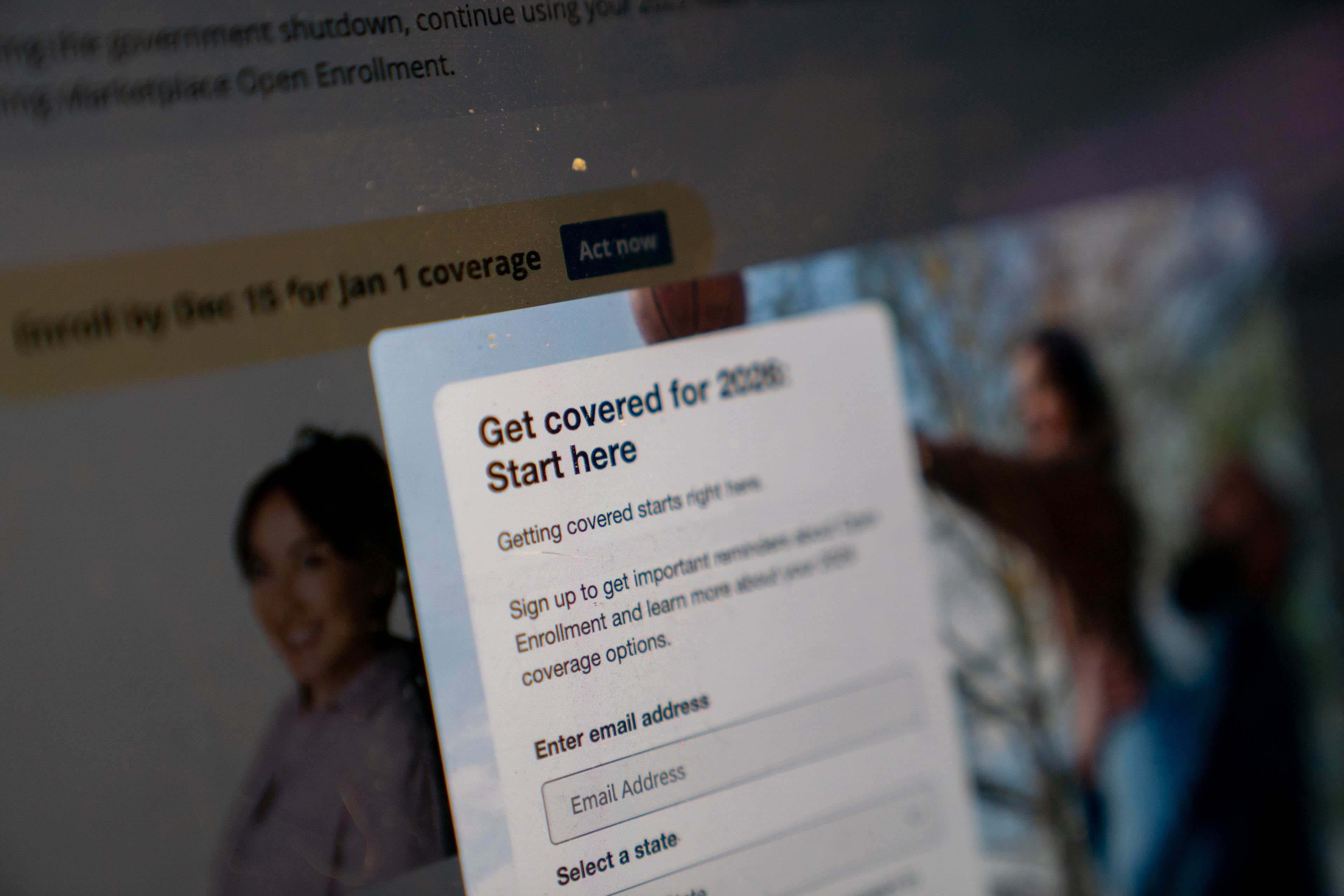

The ACA MarketplaceS

In Preliminary Rate Filings, ACA Marketplace Insurers Largely Propose Double-Digit Premium Increase For 2027, Following a Steep Climb This Year 

ACA Marketplace insurers are proposing a median premium increase of 14% for 2027— indicating a likely second consecutive year of double-digit increases, according to a new analysis of preliminary rate filings in 16 states and DC. If these increases hold, typical premiums for insurers participating in the ACA Marketplaces would jump by more than one-third between 2025 and 2027.

The Average Marketplace Deductible Grew by About $1,000 Per Person in 2026, With More Enrollees Shifting to Higher-Deductible Plans as Enhanced Tax Credits Expired

The average Affordable Care Act (ACA) Marketplace deductible experienced the steepest increase in history—growing by 37% or over $1,000, from $2,759 in 2025 to $3,786 in 2026 as enhanced premium tax credits expired, according to a new KFF analysis. After the enhanced tax credits ended, many Marketplace shoppers shifted toward lower-premium, higher-deductible plans.

Stay informed.

Stay informed.

Filter

941 - 950 of 2,780 Results

  • Vivo en diferentes estados durante el año. ¿Dónde me inscribo para tener cobertura de salud? Si me inscribo en un plan en un estado, ¿cómo encuentro proveedores de salud dentro de la red en el otro?

    FAQs

    Si tiene dos residencias principales donde pasa mucho tiempo, puede establecer su residencia en una o ambas. Para encontrar proveedores de atención médica dentro de la red, revise detenidamente los documentos del plan y el directorio de proveedores antes de solicitarlo. Debería explorar planes que utilizan una red nacional de proveedores para encontrar proveedores participantes en más de un estado. Un plan de organización de proveedores preferidos (PPO) puede ofrecer más flexibilidad para consultar con…

  • ¿Qué es el mercado de seguros de salud?

    FAQs

    Los mercados de seguros (también conocidos como de intercambio) son mercados organizados en donde las personas y familias pueden buscar e inscribirse en un seguro médico en línea, por teléfono o en persona. Estos mercados ofrecen una variedad de planes de salud, certifican los planes participantes y brindan información para ayudar a los consumidores a comprender sus opciones y solicitar cobertura. Hay un mercado de seguros en cada estado. Algunos son administrados por el estado…

  • The Implications of COVID-19 for Mental Health and Substance Use

    Issue Brief

    This brief explores mental health and substance use during, and prior to, the COVID-19 pandemic. We highlight populations that were more likely to experience worse mental health and substance use outcomes during the pandemic and discuss some innovations in the delivery of services.

  • Webinar for Journalists: Results from Survey of People Who Bought Their Own Health Insurance Under the ACA

    Event Date:
    Event

    The Kaiser Family Foundation held a reporters-only webinar at 11 a.m. ET on Thursday, June 19 to release its new Survey of Non-Group Health Insurance Enrollees, providing a first look at people buying their own health insurance following the implementation of the Affordable Care Act. The first in a series, the new survey captures the previous insurance status of marketplace enrollees and the self-reported health status of enrollees in ACA-compliant coverage purchased on or off…

  • Survey of Health Insurance Marketplace Assister Programs

    Report

    This survey by the Kaiser Family Foundation of Navigators and other Marketplace consumer assistance programs under the Affordable Care Act (Obamacare) offers a nationwide analysis of the number and distribution of assisters and people they helped. The report examines the experience of programs in conducting outreach and enrollment assistance during the first open enrollment period. It also reviews the nature of help consumers needed applying for Medicaid or premium tax credits and understanding health insurance…

  • Pre-Existing Condition Prevalence Among Women Under Age 65

    Issue Brief

    We analyzed data from the 2018 National Health Interview Survey (NHIS) and 2018 Behavioral Risk Factor Surveillance System (BRFSS) to calculate prevalence rates of declinable health conditions. This data note looks at the share of adults ages 18-64 with declinable pre-existing conditions, with a particular focus on women.

  • 8 Preguntas & Respuestas sobre Puerto Rico

    Fact Sheet

    La crisis de $73 mil millones de Puerto Rico ha sido tema de los medios de comunicación nacionales, y de debate en el Congreso en los últimos meses. Además, varios de los principales medios de prensa han reportado sobre una inminente crisis de la atención de salud relacionada con cuestiones demográficas y del financiamiento del cuidado de salud, y exacerbada por la actual situación económica y el aumento de casos de trasmisión del virus del…

  • Overview of Medicaid Per Capita Cap Proposals

    Issue Brief

    The House Republican Plan (“A Better Way”) released on June 22, 2016, includes a proposal to convert federal Medicaid financing from an open-ended entitlement to a per capita allotment or a block grant (based on a state choice). This proposal is part of a larger package designed to replace the Affordable Care Act (ACA) and reduce federal spending for health care. Often tied to deficit reduction, proposals to convert Medicaid’s financing structure to a per…

  • Examining Prior Authorization in Health Insurance

    Policy Watch

    This post explains what's known about how insurers use prior authorization as a tool to control costs and encourage cost-effective care, the state and federal laws that govern it, and ongoing policy debates over efforts to impose standards to limit or regulate its use.



