Affordable Care Act

About the ACA

Promotional image for KFF video How Affordable is the Affordable Care Act

Did the Affordable Care Act Make Health Care More Affordable?

The expiration of the ACA’s enhanced premium tax credits at the start of 2026, combined with rising insurer premiums, put a spotlight on health care affordability that extends beyond Marketplace enrollees. KFF’s Cynthia Cox examines the ACA’s record and the broader underlying question it raises: what’s a fair price for Americans people to pay for health care?
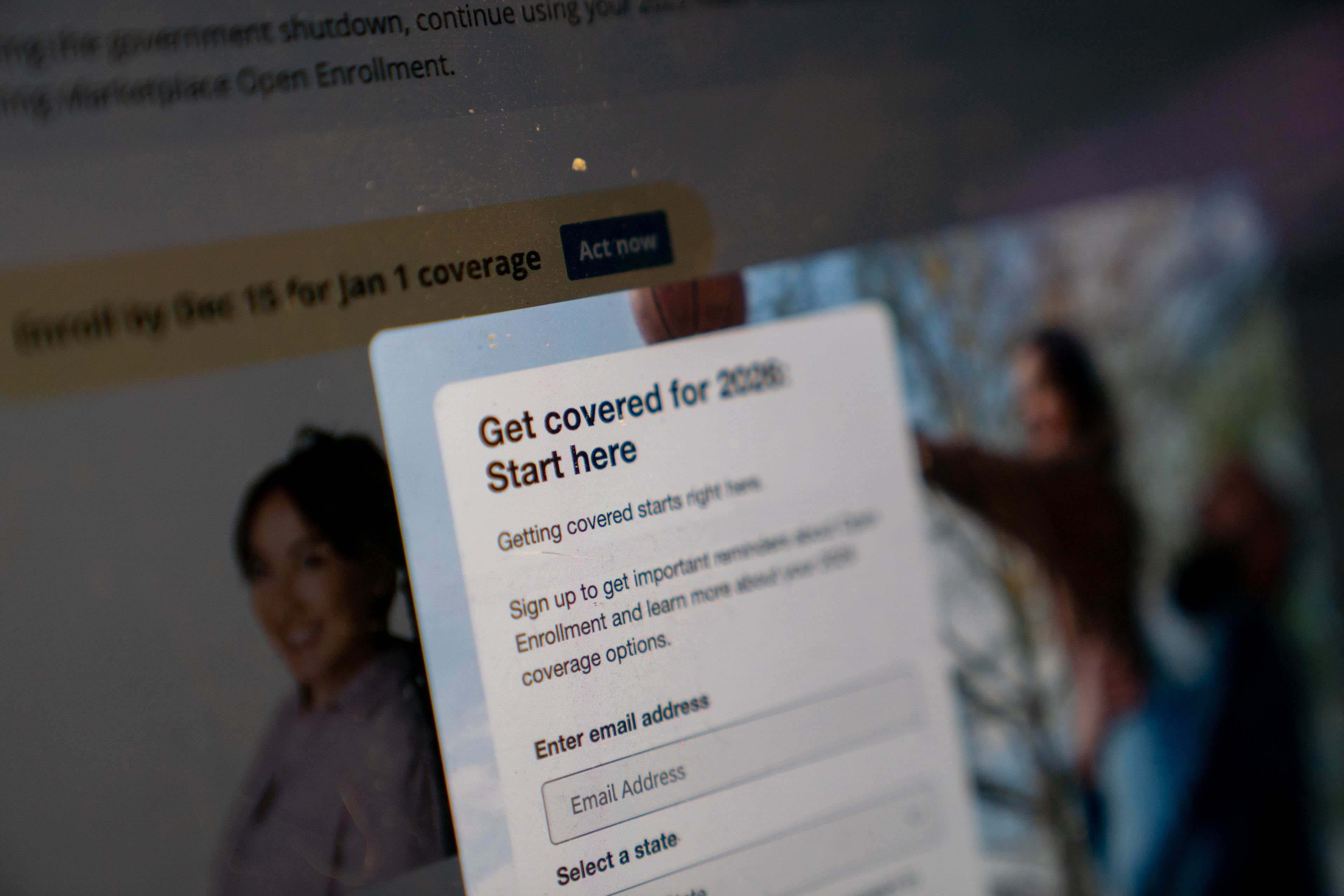

The ACA MarketplaceS

In Preliminary Rate Filings, ACA Marketplace Insurers Largely Propose Double-Digit Premium Increase For 2027, Following a Steep Climb This Year 

ACA Marketplace insurers are proposing a median premium increase of 14% for 2027— indicating a likely second consecutive year of double-digit increases, according to a new analysis of preliminary rate filings in 16 states and DC. If these increases hold, typical premiums for insurers participating in the ACA Marketplaces would jump by more than one-third between 2025 and 2027.

The Average Marketplace Deductible Grew by About $1,000 Per Person in 2026, With More Enrollees Shifting to Higher-Deductible Plans as Enhanced Tax Credits Expired

The average Affordable Care Act (ACA) Marketplace deductible experienced the steepest increase in history—growing by 37% or over $1,000, from $2,759 in 2025 to $3,786 in 2026 as enhanced premium tax credits expired, according to a new KFF analysis. After the enhanced tax credits ended, many Marketplace shoppers shifted toward lower-premium, higher-deductible plans.

Stay informed.

Stay informed.

Filter

921 - 930 of 2,780 Results

  • Nine Changes to Watch in ACA Open Enrollment 2023

    Policy Watch

    The 2023 Affordable Care Act (ACA) Open Enrollment period will run from November 1, 2022 to January 15, 2023 in most states, longer in some state-based marketplaces. This policy watch examines nine changes that may affect what enrollees pay for coverage, the size of tax credits for those eligible, and other changes that could affect enrollees' experiences.

  • Are there special timelines for enrolling in the Marketplace for people who lose Medicaid or CHIP?

    FAQs

    The special enrollment period due to loss of Medicaid or CHIP is 90 days, which means consumers will have up to 90 days after loss of Medicaid or CHIP to enroll in Marketplace coverage. However, state-based Marketplaces have the option to extend the special enrollment period beyond 90 days. Check with your state Marketplace for more information if you live in one of these states.

  • I’m not sure how long ago my Medicaid ended. Is there a deadline for applying for Marketplace coverage?

    FAQs

    Yes, the special enrollment period due to loss of Medicaid or CHIP is 90 days in most states, which means consumers will have up to 90 days after loss of Medicaid or CHIP to enroll in Marketplace coverage. If you do not apply for Marketplace coverage within this timeframe, you may have to wait until the next Open Enrollment Period to enroll in Marketplace coverage. States that run their own Marketplaces can choose to extend…

  • I notice something called “Easy pricing” under the plan name on HealthCare.gov. What does that mean?

    FAQs

    "Easy pricing" refers to a "standardized" plan design on HealthCare.gov that aims to make it simpler to compare plans by applying the same to each category of essential health benefits across all easy pricing plans in the same metal level. For example, all Bronze-level easy pricing plans have the same deductible and copays. By contrast, non-standardized Bronze-level plans might have different deductible and copay amounts. Easy pricing plans are marked with a green circle with…

  • Consumer Survey Highlights Problems with Denied Health Insurance Claims

    Issue Brief

    This Data Note includes major findings from the KFF Consumer Survey on consumer experiences with claim denials. Among those who used the most health care over the past year, 27% experienced a denied claim. More consumers with private insurance experienced denied claims compared to Medicaid or Medicare.

  • Do I have to renew Medicaid coverage every year?

    FAQs

    Yes. States must redetermine Medicaid eligibility for most enrollees every 12 months. When your coverage period is ending, you will receive a notice from the state. If your coverage has been automatically renewed, the notice will indicate the new coverage period. If your coverage has not been automatically renewed, the notice will include instructions for completing the renewal process. Note that the renewal process might look different depending on where you live. Click here for a…

  • 2025 Health Insurance Marketplace Calculator

    Feature

    The Health Insurance Marketplace Calculator, updated with 2025 premium data, provides estimates of health insurance premiums and subsidies for people purchasing insurance on their own in health insurance exchanges (or “Marketplaces”) created by the Affordable Care Act (ACA).

  • Latest Federal Data Show That Young People Are More Likely Than Older Adults to Be Experiencing Symptoms of Anxiety or Depression

    News Release

    Young adults in the United States continue to be more likely than their older counterparts to be experiencing symptoms of anxiety or depression, according to the latest federal data analyzed by KFF researchers. The analysis of the Census Bureau’s Household Pulse Survey finds that half (50%) of adults ages 18-24 reported anxiety and depression symptoms in 2023, compared to about a third of adults overall. The data also show that young adults are more likely…

  • Web Briefing: Understanding the Health Coverage and Affordability Provisions in the American Rescue Plan Act

    Event Date:
    Event

    The American Rescue Plan (ARP) Act signed into law earlier this month includes a number of provisions aimed at making health coverage more accessible and affordable amid the public health and economic crises created by the COVID-19 pandemic. Join KFF at a web briefing to explain these changes and their expected impact on consumers, insurance marketplaces, and states.



