Affordable Care Act

About the ACA

Promotional image for KFF video How Affordable is the Affordable Care Act

Did the Affordable Care Act Make Health Care More Affordable?

The expiration of the ACA’s enhanced premium tax credits at the start of 2026, combined with rising insurer premiums, put a spotlight on health care affordability that extends beyond Marketplace enrollees. KFF’s Cynthia Cox examines the ACA’s record and the broader underlying question it raises: what’s a fair price for Americans people to pay for health care?
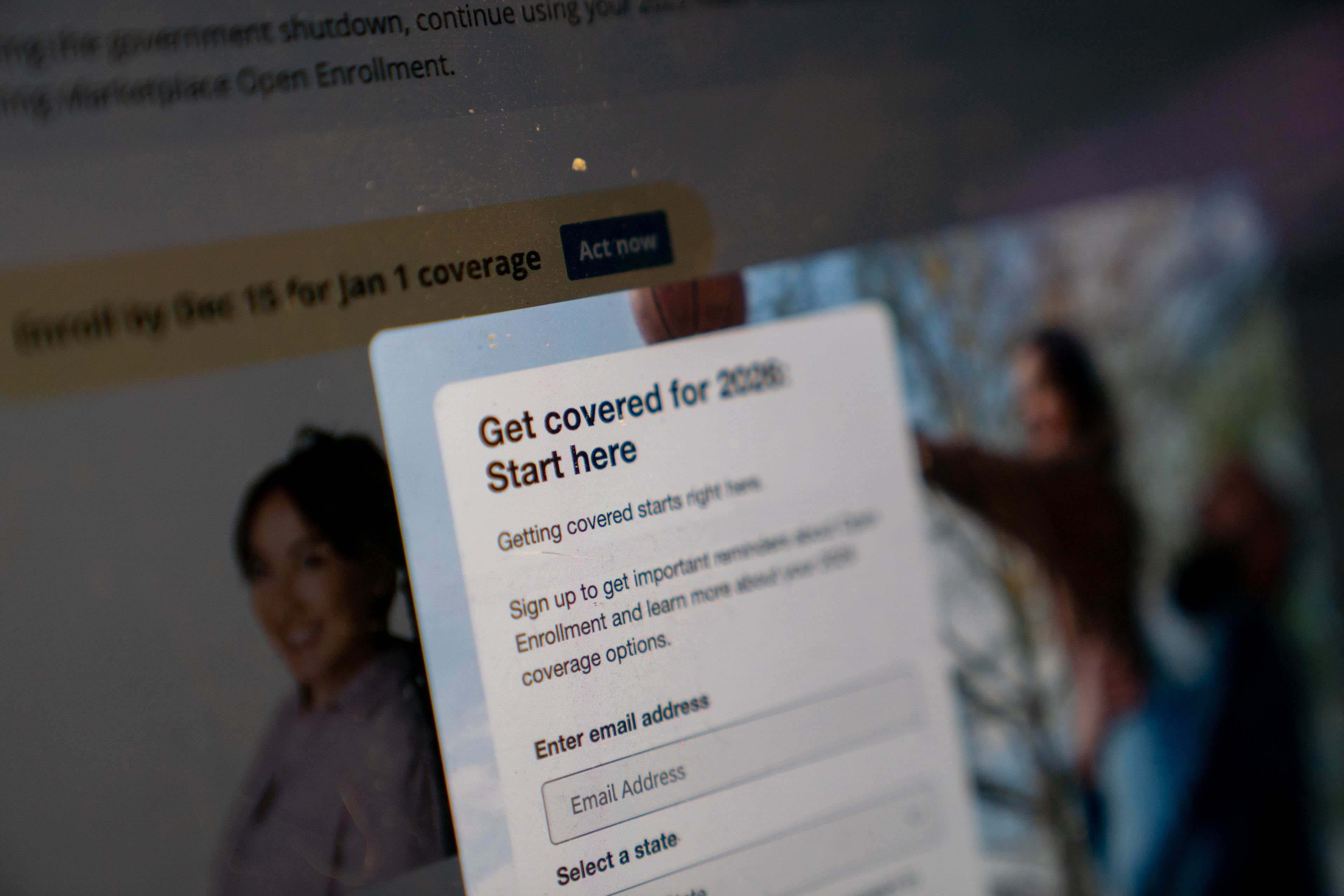

The ACA MarketplaceS

In Preliminary Rate Filings, ACA Marketplace Insurers Largely Propose Double-Digit Premium Increase For 2027, Following a Steep Climb This Year 

ACA Marketplace insurers are proposing a median premium increase of 14% for 2027— indicating a likely second consecutive year of double-digit increases, according to a new analysis of preliminary rate filings in 16 states and DC. If these increases hold, typical premiums for insurers participating in the ACA Marketplaces would jump by more than one-third between 2025 and 2027.

The Average Marketplace Deductible Grew by About $1,000 Per Person in 2026, With More Enrollees Shifting to Higher-Deductible Plans as Enhanced Tax Credits Expired

The average Affordable Care Act (ACA) Marketplace deductible experienced the steepest increase in history—growing by 37% or over $1,000, from $2,759 in 2025 to $3,786 in 2026 as enhanced premium tax credits expired, according to a new KFF analysis. After the enhanced tax credits ended, many Marketplace shoppers shifted toward lower-premium, higher-deductible plans.

Stay informed.

Stay informed.

https://js.hsforms.net/forms/embed/292449.js

Filter

871 - 880 of 2,780 Results

  • Consumer Assistance in Health Insurance: Evidence of Impact and Unmet Need

    Issue Brief

    The Affordable Care Act (ACA) established in-person consumer assistance programs to help people identify coverage options and enroll. A variety of professionals provide consumer assistance, including Navigator programs that are funded through state and federal marketplaces, brokers who receive commissions from insurers, local non-profit organizations, and health care providers. In the spring of 2020, KFF surveyed consumers most likely to use or benefit from consumer assistance to learn who uses consumer assistance, why they seek…

  • Individual Insurance Market Performance in Early 2020

    Issue Brief

    Individual market insurers, on average, remained profitable through the first three months of 2020 as claims costs rose only slightly compared to the same period last year. It is likely that the most significant impacts of the coronavirus on the individual market will not be evident nationally until second or third quarter data are released.

  • Insurance Coverage and Viral Suppression Among People with HIV in the United States, 2015-2018

    Feature

    Health insurance coverage and access to care improve health outcomes, including viral suppression, for people with HIV in the United States. Prior research has demonstrated that implementation of the Affordable Care Act (ACA) in 2014 increased coverage among people with HIV and that certain forms of coverage are positively correlated with sustained viral suppression. We provide a 2018 update, the latest nationally representative data in this area, as well as trends over time.

  • 4.7 Million Uninsured Adults Could Become Eligible for Medicaid by 2021 if All Remaining States Expanded the Program under the ACA

    News Release

    About 4.7 million uninsured adults could gain eligibility for Medicaid by 2021 if the 14 remaining non-expansion states were to expand Medicaid under the Affordable Care Act, a new KFF analysis finds. That figure includes an estimated 2.8 million adults who already were uninsured prior to the coronavirus pandemic and would fall in the “coverage gap” – meaning they have incomes too high to qualify for Medicaid but too low for ACA marketplace subsidies –…

  • How Many Uninsured Adults Could Be Reached If All States Expanded Medicaid?

    Issue Brief

    As more people lose their jobs and accompanying ESI, more may fall into the coverage gap, particularly starting in 2021 after unemployment benefits expire for many who have lost their jobs and incomes are likely to drop below the minimum threshold for marketplace subsidies. This analysis estimates how many uninsured adults—including those uninsured even before the pandemic and those who could become uninsured as a result of it— could become eligible for Medicaid if states…

  • KFF Health Tracking Poll – May 2020

    Report

    This poll examines people's views on the coronavirus (COVID-19) outbreak as many states begin to re-open their states and the economy, including their expectations, experiences and attitudes about the government responses heading into Summer 2020. It also assesses voters' views ahead of the presidential election in November.

  • Poll: Nearly Half of the Public Say They or a Family Member Skipped or Delayed Care Due to Coronavirus, But Most Plan to Get Care in the Coming Months

    News Release

    Nearly One in Four Expect a Family Member to Turn to Medicaid in the Coming Year, and Majorities across Party Lines Oppose Medicaid Cuts to Address State Budget Shortfalls Amid the threat of coronavirus, nearly half (48%) of Americans say someone in their family has skipped or delayed getting some type of medical care due to the pandemic, the latest KFF Health Tracking Poll finds. This includes 11% who say the person’s condition worsened due…