Affordable Care Act

About the ACA

Promorional image for KFF video How Affordable is the Affordable Care Actt

Did the Affordable Care Act Make Health Care More Affordable?

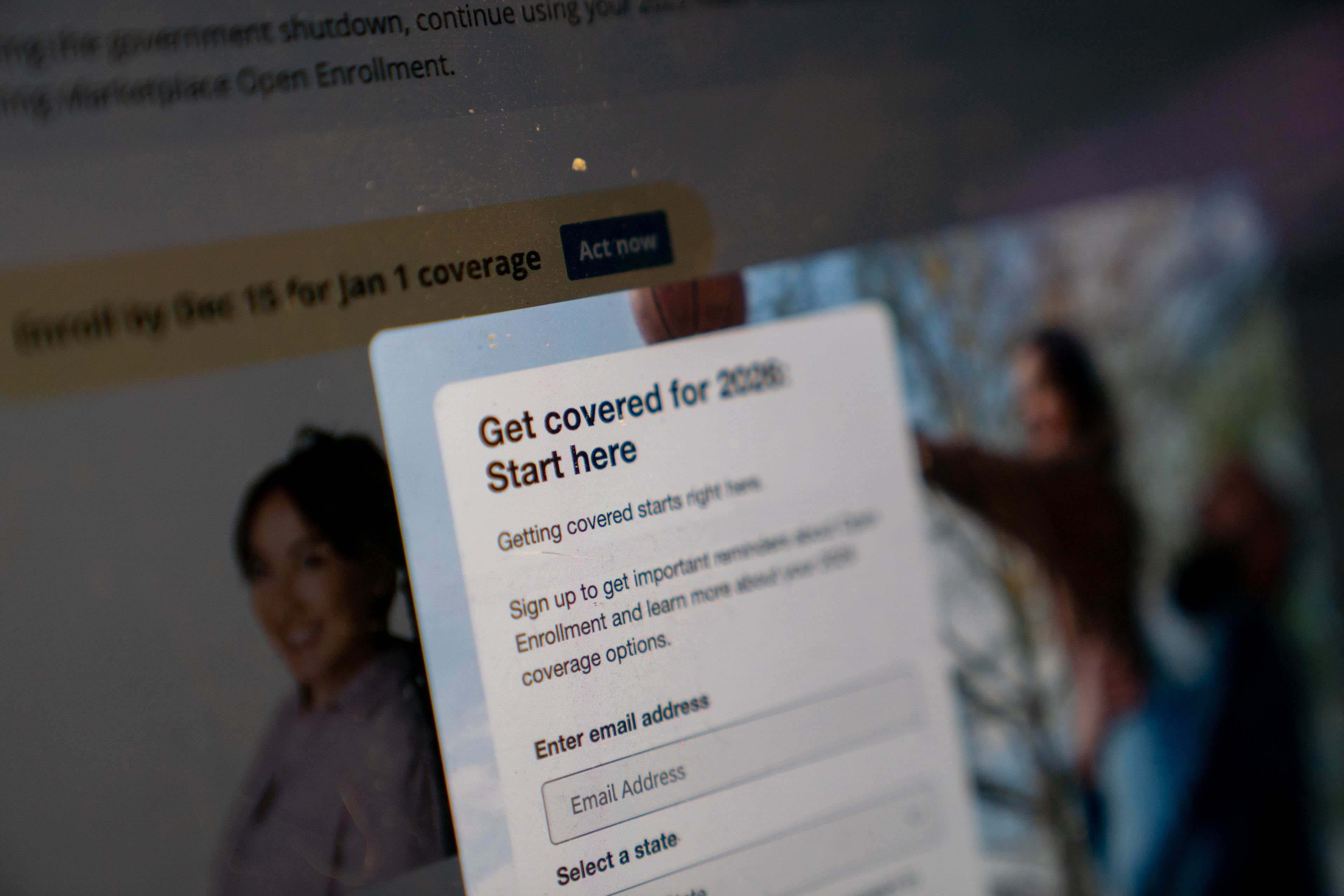
The expiration of the ACA’s enhanced premium tax credits at the start of 2026, combined with rising insurer premiums, put a spotlight on health care affordability that extends beyond Marketplace enrollees. KFF’s Cynthia Cox examines the ACA’s record and the broader underlying question it raises: what’s a fair price for Americans people to pay for health care?

The ACA MarketplaceS

In Preliminary Rate Filings, ACA Marketplace Insurers Largely Propose Double-Digit Premium Increase For 2027, Following a Steep Climb This Year 

ACA Marketplace insurers are proposing a median premium increase of 14% for 2027— indicating a likely second consecutive year of double-digit increases, according to a new analysis of preliminary rate filings in 16 states and DC. If these increases hold, typical premiums for insurers participating in the ACA Marketplaces would jump by more than one-third between 2025 and 2027.

The Average Marketplace Deductible Grew by About $1,000 Per Person in 2026, With More Enrollees Shifting to Higher-Deductible Plans as Enhanced Tax Credits Expired

The average Affordable Care Act (ACA) Marketplace deductible experienced the steepest increase in history—growing by 37% or over $1,000, from $2,759 in 2025 to $3,786 in 2026 as enhanced premium tax credits expired, according to a new KFF analysis. After the enhanced tax credits ended, many Marketplace shoppers shifted toward lower-premium, higher-deductible plans.

Stay informed.

Stay informed.

https://js.hsforms.net/forms/embed/292449.js

Filter

751 - 760 of 2,780 Results

  • Obamacare Debate: Where GOP Governors Stand on Repeal and Replace

    From Drew Altman

    As congress prepares to vote on repeal of the Affordable Care Act, Drew Altman discusses whether Republican governors and congressional Republicans will be at odds over key issues when it comes to repealing and replacing the law in this Wall Street Journal Think Tank column.

  • What’s Really At Stake In the Medicaid Spending Debate

    From Drew Altman

    In this Axios column, Drew Altman highlights that the federal debate about the American Health Care Act’s Medicaid spending reductions will ultimately be a debate about every state’s general budget spending priorities, as states discuss whether to offset reductions in federal revenues with some combination of cuts to their Medicaid programs, increased taxes, and cuts to spending in other areas.

  • The Great Medicaid Divide

    From Drew Altman

    In his Axios column, Drew Altman examines how the core views Republicans have about Medicaid differ from those of Democrats and Independents, and how those views drive the policy changes they are proposing for the program.

  • The Republican Base is Getting Less Excited About Health Care

    From Drew Altman

    In this Axios column, Drew Altman explains that as Republican policymakers are focused on delivering a repeal of Obamacare for their base, polling shows that it’s not a top priority for Trump supporters, and their intensity on a replacement plan has declined, suggesting that the issue may not drive turnout for future elections.

  • Large Majorities Favor Wide Range of Policy Changes to Curb Prescription Drug Costs, Including Those That Give Government a Greater Role in Negotiating or Limiting Prices

    News Release

    Amid news reports about increases in the price for EpiPen and other drugs, the vast majority of Americans – including majorities of Democrats, Republicans and independents – support several policy changes to control the cost of prescription drugs, including some that would expand government’s role in drug pricing, the latest Kaiser Family Foundation tracking poll finds. About eight in 10 Americans say they favor allowing the federal government to negotiate with drug companies to get…

  • Brief Examines Per Enrollee Medicaid Spending for Seniors and People with Disabilities, Which Varies Greatly By State

    News Release

    Medicaid coverage of acute and long-term care for more than 6 million low-income seniors and 10 million nonelderly people with disabilities accounts for nearly two-thirds of overall Medicaid spending, although such enrollees represent less than a quarter of people on Medicaid.  Much of Medicaid’s spending on seniors and people with disabilities also depends on state decisions about whom to cover and which services to pay for, which is a big reason why Medicaid spending per…