Affordable Care Act

About the ACA

Promotional image for KFF video How Affordable is the Affordable Care Act

Did the Affordable Care Act Make Health Care More Affordable?

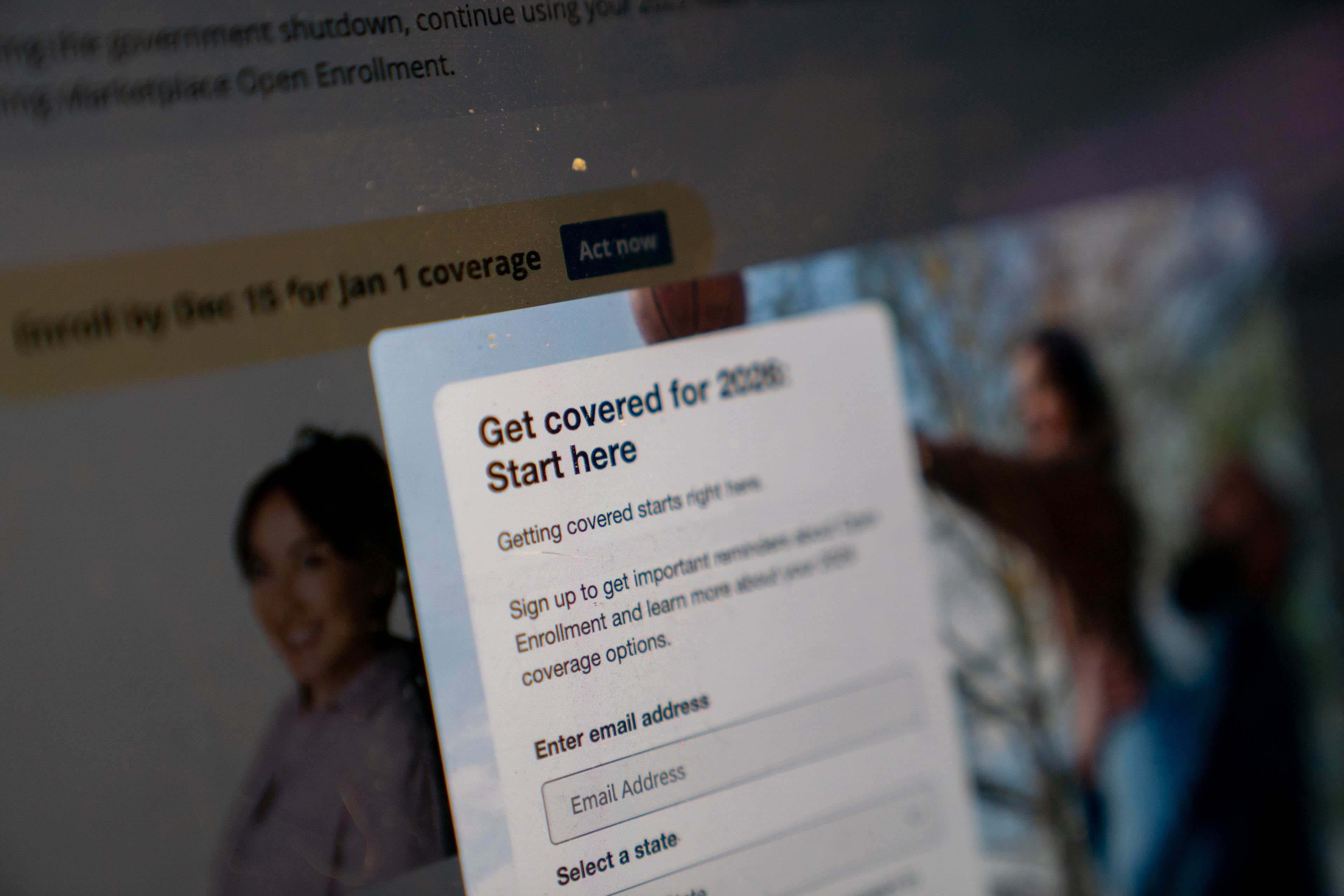
The expiration of the ACA’s enhanced premium tax credits at the start of 2026, combined with rising insurer premiums, put a spotlight on health care affordability that extends beyond Marketplace enrollees. KFF’s Cynthia Cox examines the ACA’s record and the broader underlying question it raises: what’s a fair price for Americans people to pay for health care?

The ACA MarketplaceS

In Preliminary Rate Filings, ACA Marketplace Insurers Largely Propose Double-Digit Premium Increase For 2027, Following a Steep Climb This Year 

ACA Marketplace insurers are proposing a median premium increase of 14% for 2027— indicating a likely second consecutive year of double-digit increases, according to a new analysis of preliminary rate filings in 16 states and DC. If these increases hold, typical premiums for insurers participating in the ACA Marketplaces would jump by more than one-third between 2025 and 2027.

The Average Marketplace Deductible Grew by About $1,000 Per Person in 2026, With More Enrollees Shifting to Higher-Deductible Plans as Enhanced Tax Credits Expired

The average Affordable Care Act (ACA) Marketplace deductible experienced the steepest increase in history—growing by 37% or over $1,000, from $2,759 in 2025 to $3,786 in 2026 as enhanced premium tax credits expired, according to a new KFF analysis. After the enhanced tax credits ended, many Marketplace shoppers shifted toward lower-premium, higher-deductible plans.

Stay informed.

Stay informed.

Filter

651 - 660 of 2,782 Results

  • Early Analysis In Eleven States Finds Modest Increases For ACA Silver Plans

    News Release

    A Kaiser Family Foundation analysis of Affordable Care Act (ACA) plans in major metropolitan areas in 11 states where data are available, including the District of Columbia, finds that preliminary 2016 premiums for benchmark silver plans grew modestly, but increased more sharply this year than last year. The average increase for benchmark plans across the cities is 4.4 percent for 2016 compared with a 2 percent increase nationwide in 2015.

  • The Politics of ACA Rate Hikes Will Be 2016 in Reverse

    From Drew Altman

    Democrats are expected to turn the tables and attack Republicans for rising premiums and sabotaging the Affordable Care Act. In his Axios column, Drew Altman discusses a balancing act they face which has not received attention: score political points, but run the risk of a new debate scaring the broader public and undermining the ACA by focusing on its continuing problems.

  • KFF March Health Tracking Poll: One Year Later, Views on Health Reform Remain Divided

    Perspective

    Health reform is a year old and the latest Kaiser Health Tracking Poll finds a basic division that has changed little during the last 12 months. This month, 42 percent of Americans hold favorable views of the law while 46 percent view it unfavorably. In April 2010, the month after passage, 46 percent had favorable views and 40 percent unfavorable ones, but both figures have ticked up and down over the last year. Opinion of…

  • Repayments and Refunds: Estimating the Effects of 2014 Premium Tax Credit Reconciliation

    Issue Brief

    This analysis estimates the range of repayment or refund amounts of the advanced premium tax credits issued to enrollees who experience income volatility between the time of enrollment and tax credit reconciliation. Using a simulation model among all households eligible for advance payments of the premium tax credits under the Affordable Care Act, it estimates that half would owe a repayment while 45 percent would be issued a refund of some or all of premium…

  • Visualizing Health Policy: Barriers to Care Experienced by Women in the United States 

    News Release

    This Visualizing Health Policy infographic looks at barriers to care experienced by women in the United States. Women incur greater health care costs than men, particularly during the reproductive years. Despite a lower uninsured rate than men (11% vs 14%), women are more likely to skip a recommended medical test or treatment due to cost. However, cost barriers to contraception have decreased for insured women since the Affordable Care Act’s (ACA’s) coverage requirement took effect.…

  • Private Insurance’s Costs are Skyrocketing

    From Drew Altman

    In this Axios column, Drew Altman takes a long-term view of the recently released federal data on health spending showing that spending for private insurance is rising much faster than for Medicare and Medicaid, and predicts rising pressure in the health care industry as a result. 

  • How Many of the Uninsured Can Purchase a Marketplace Plan for Free in 2020?

    Issue Brief

    This analysis looks at how many of the remaining uninsured are eligible for premium subsidies that are large enough to cover the entire cost of a bronze plan, which is the minimum level of coverage available on the Marketplaces. It estimates 28% of uninsured individuals who could shop on the ACA Marketplace, or 4.7 million people nationwide, are eligible to purchase a bronze plan with $0 premiums after subsidies in 2020.