Affordable Care Act

About the ACA

Promotional image for KFF video How Affordable is the Affordable Care Act

Did the Affordable Care Act Make Health Care More Affordable?

The expiration of the ACA’s enhanced premium tax credits at the start of 2026, combined with rising insurer premiums, put a spotlight on health care affordability that extends beyond Marketplace enrollees. KFF’s Cynthia Cox examines the ACA’s record and the broader underlying question it raises: what’s a fair price for Americans people to pay for health care?
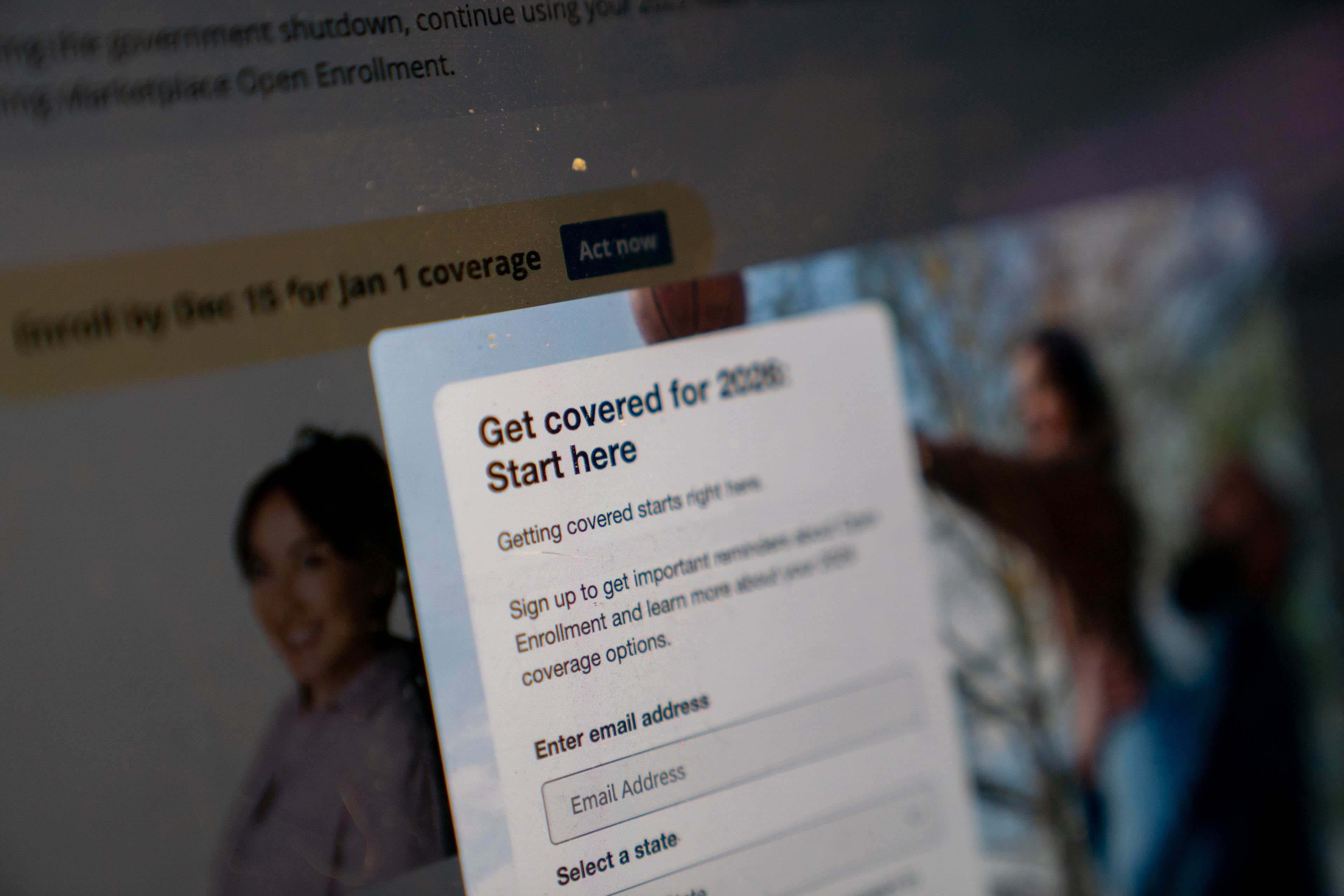

The ACA MarketplaceS

In Preliminary Rate Filings, ACA Marketplace Insurers Largely Propose Double-Digit Premium Increase For 2027, Following a Steep Climb This Year 

ACA Marketplace insurers are proposing a median premium increase of 14% for 2027— indicating a likely second consecutive year of double-digit increases, according to a new analysis of preliminary rate filings in 16 states and DC. If these increases hold, typical premiums for insurers participating in the ACA Marketplaces would jump by more than one-third between 2025 and 2027.

The Average Marketplace Deductible Grew by About $1,000 Per Person in 2026, With More Enrollees Shifting to Higher-Deductible Plans as Enhanced Tax Credits Expired

The average Affordable Care Act (ACA) Marketplace deductible experienced the steepest increase in history—growing by 37% or over $1,000, from $2,759 in 2025 to $3,786 in 2026 as enhanced premium tax credits expired, according to a new KFF analysis. After the enhanced tax credits ended, many Marketplace shoppers shifted toward lower-premium, higher-deductible plans.

Stay informed.

Stay informed.

https://js.hsforms.net/forms/embed/292449.js

Filter

491 - 500 of 2,780 Results

  • Explaining Health Care Reform: Questions About Health Insurance Exchanges

    Issue Brief

    The Patient Protection and Affordable Care Act (PPACA), signed into law in March 2010, made broad changes to the way health insurance will be provided and paid for in the United States. PPACA created a new mechanism for purchasing coverage called Exchanges, which are entities that will be set up in states to create a more organized and competitive market for health insurance by offering a choice of health plans, establishing common rules regarding the…

  • Implementing Health Reform in the States

    Event Date:
    Event

    The Alliance for Health Reform, Robert Wood Johnson Foundation and the Association of Health Care Journalists sponsored this live webinar on March 27, 2012, to take a look at what's happening in the states with implementation of the Patient Protection and Affordable Care Act. Many of the key decisions implementing the health reform law are left to the states. For example, states have leeway in how they set up health insurance exchanges, where uninsured individuals…

  • 2021 Calculator – Before COVID-19 Relief

    Interactive

    The Health Insurance Marketplace Calculator, updated with 2021 premium data, provides estimates of health insurance premiums and subsidies for people purchasing insurance on their own in health insurance exchanges (or “Marketplaces”) created by the Affordable Care Act (ACA). With this calculator, you can enter your income, age, and family size to estimate your eligibility for subsidies and how much you could spend on health insurance.

  • State Marketplace Profiles: Hawaii

    Other Post

    Final update made on November 6, 2013 (no further updates will be made)  Establishing the Marketplace On July 11, 2011, Governor Neil Abercrombie (D) signed SB 1348 into law establishing the Hawaii Health Connector, a State-based health insurance Marketplace.1  The law builds on Hawaii’s Prepaid Health Care Act of 1975 (PHCA) which required nearly all employers to provide health insurance to employees working 20 or more hours a week for four consecutive weeks.2  Structure: The legislation established the…

  • State Exchange Profiles: Maine

    Other Post

    Final update made on April 2, 2013 (no further updates will be made)  Establishing the Exchange On November 16, 2012, Governor Paul LePage (R) wrote in a letter to federal officials that Maine would not be pursuing efforts to implement a state-based health insurance exchange.1 Legislation establishing a state-run health insurance exchange failed to pass in 2011 and 2012. Prior to ending planning efforts, the Governor created an exchange Advisory Committee in July 2011, which included…

  • High Health-Care Prices: More Talk Than Action  

    News Release

    In his latest column for The Wall Street Journal's Think Tank, Drew Altman explores how price is the major factor that distinguishes the cost of our health care system from those in other developed nations, yet most efforts in the U.S. to address health-care costs don't focus on price much at all. All previous columns by Drew Altman are available online.

  • New Analysis Finds Out-of-Pocket Prescription Drug Spending Decreasing on Average, But More People Spending in Excess of $1,000 a Year

    News Release

    A new Kaiser Family Foundation analysis finds that average annual out-of-pocket prescription drug spending for workers and family members decreased from a recent high of $167 in 2009 to $144 in 2014. Most of the decline in out-of-pocket spending occurred between 2009 and 2012 and is likely due to generic substitution for popular drugs that lost patent protection. The decline in out-of-pocket-spending continued from 2012 to 2014 with nearly two-thirds of the decline during this…

  • Web Briefing for Journalists: Marketplace Open Enrollment in the Trump Era

    Event Date:
    Event

    With the Trump administration’s announcements last week, the landscape around Affordable Care Act marketplaces and the open enrollment period beginning Nov. 1 continues to shift. Though the 2010 health law remains intact for now, consumers will see fundamental differences this year when it comes to signing up for 2018 marketplace plans. Premiums are increasing significantly in some states, though not all consumers will feel the impact. The enrollment period is shorter. Healthcare.gov will experience regular…

  • The Left is Getting More Active on Health Care

    From Drew Altman

    In this Axios column, Drew Altman discusses data from the new KFF/Washington Post survey on activism in America showing the role support for the ACA is playing in motivating political participation, and how, in a reversal from the last election cycle, political energy is shifting from right to left on health care as a new election looms.

  • KFF April Tracking Poll: Opinions of Reform Remain Steady

    Perspective

    This month, public opinion on the health reform law continues to be remarkably steady. The April Kaiser Health Tracking Poll finds that four in ten feel favorably about the law and an equal share say they feel unfavorably. In recent months there has been a slight decline in the share with an unfavorable view of the law, with a corresponding uptick in the share who offer no opinion on the law. The rise in those…