Affordable Care Act

About the ACA

Promotional image for KFF video How Affordable is the Affordable Care Act

Did the Affordable Care Act Make Health Care More Affordable?

The expiration of the ACA’s enhanced premium tax credits at the start of 2026, combined with rising insurer premiums, put a spotlight on health care affordability that extends beyond Marketplace enrollees. KFF’s Cynthia Cox examines the ACA’s record and the broader underlying question it raises: what’s a fair price for Americans people to pay for health care?
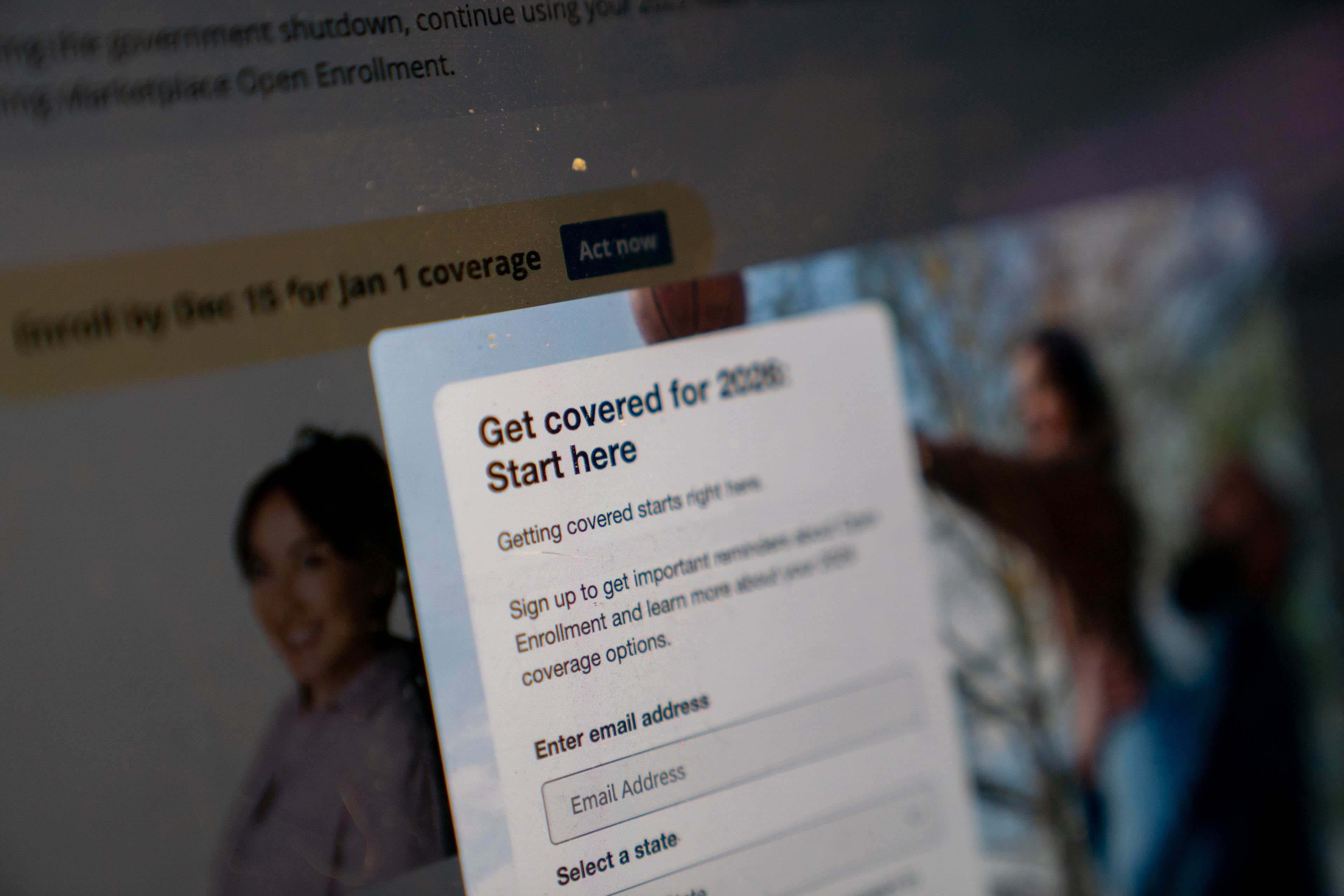

The ACA MarketplaceS

In Preliminary Rate Filings, ACA Marketplace Insurers Largely Propose Double-Digit Premium Increase For 2027, Following a Steep Climb This Year 

ACA Marketplace insurers are proposing a median premium increase of 14% for 2027— indicating a likely second consecutive year of double-digit increases, according to a new analysis of preliminary rate filings in 16 states and DC. If these increases hold, typical premiums for insurers participating in the ACA Marketplaces would jump by more than one-third between 2025 and 2027.

The Average Marketplace Deductible Grew by About $1,000 Per Person in 2026, With More Enrollees Shifting to Higher-Deductible Plans as Enhanced Tax Credits Expired

The average Affordable Care Act (ACA) Marketplace deductible experienced the steepest increase in history—growing by 37% or over $1,000, from $2,759 in 2025 to $3,786 in 2026 as enhanced premium tax credits expired, according to a new KFF analysis. After the enhanced tax credits ended, many Marketplace shoppers shifted toward lower-premium, higher-deductible plans.

Stay informed.

Stay informed.

https://js.hsforms.net/forms/embed/292449.js

Filter

441 - 450 of 2,780 Results

  • Kaiser Health Tracking Poll: Election 2008 – December 2007

    Poll Finding

    This December 2007 tracking poll finds finds that Iraq continues to top the list of issues that the public wants to hear presidential candidates talk about, with more than a third (35%) naming the war as one of the top two issues in an open-ended question. Health care (30%) ranks second, followed by the economy (21%) and immigration (17%). Health care ranks second behind Iraq for Republicans, Democrats, and independents alike. However, while health ranks…

  • Pulling It Together: What Do We Want Health Insurance To Be?

    Perspective

    Trends in the health insurance marketplace show substantial growth in high deductible health plans, especially among smaller firms, where 35% of workers are now covered by plans with a deductible of $1,000 or more. That's according to our recently released employer health benefits survey, which we have been conducting now for ten years. The majority of these plans are simply high deductible health plans; only a minority are so-called "consumer driven" plans with savings accounts.…

  • 2008 Election Briefs

    Poll Finding

    Health care remains among the top three election issues voters want to hear the presidential candidates discuss. Kaiser's new series of election briefs frame the challenges the heath care system faces, provide basic facts, and offer questions to assess the presidential candidates' plans on key health policy issues. Check back for more issue briefs.  Eliminating Racial/Ethnic Disparities in Health Care: What are the Options  Health Care Costs and Election 2008  Women's Health and Election 2008…

  • Community Health Centers in an Era of Health System Reform and Economic Downturn: Prospects and Challenges

    Issue Brief

    This issue brief reviews the role of community health centers in the nation's health care safety net. The centers provided comprehensive primary care to 16.1 million patients in 2007, many of them from lower-income families and medically underserved communities. The role of the centers is even more critical during an economic recession when families are more vulnerable to economic loss and unmet health needs. Issue Brief (.pdf)

  • How Will The Uninsured Be Affected By Health Reform?

    Issue Brief

    This brief examines who the uninsured are and explores how they could be affected by health reform, including estimates of how many might qualify for coverage under a Medicaid expansion, how many would be eligible for subsidies and how many would not be eligible for such help. Issue Brief (.pdf)

  • Toplines: Kaiser Health Tracking Poll — September 2009

    Poll Finding

    This document contains the toplines from the September Health Tracking Poll. The survey was designed and analyzed by public opinion researchers at the Kaiser Family Foundation and was conducted September 11 through September 18, 2009, among a nationally representative random sample of 1,203 adults ages 18 and older. Telephone interviews conducted by landline (801) and cell phone (402, including 147 who had no landline telephone) were carried out in English and Spanish. The margin of…

  • Toplines: Kaiser Health Tracking Poll — December 2009

    Poll Finding

    This document contains the toplines from the December Health Tracking Poll. The survey was designed and analyzed by public opinion researchers at the Kaiser Family Foundation and was conducted December 7 through December 13, 2009, among a nationally representative random sample of 1,204 adults ages 18 and older. Telephone interviews conducted by landline (801) and cell phone (403, including 111 who had no landline telephone) were carried out in English and Spanish. The margin of…

  • Health Care Affordability and the Uninsured

    Event

    Diane Rowland testified at a hearing on the instability of health coverage before the Health Subcommittee of the U.S. House Committee on Ways and Means. Her testimony discussed the growing share of Americans who are uninsured and without adequate health insurance coverage and highlighted the key characteristics and issues with regard to the uninsured as well as the financial burdens for medical care faced by America's families. Testimony (.pdf)

  • Uninsured Young Adults: A Profile and Overview of Coverage Options

    Issue Brief

    Young adults, age 19-29, have the highest uninsured rate of any age group. Since 29% of the uninsured are young adults, efforts to decrease the overall number of uninsured must address this population. This brief examines health coverage for young adults, as well as their health status, access to care, and the financial burdens they encounter when paying for care. It also provides an overview of public and private approaches to expand health coverage for…

  • Pulling It Together: The “R” Word Is Back

    Perspective

    Longer ago than I care to admit, I got my start in health policy at M.I.T. when I wrote a book about health care regulation. The book was about a long forgotten attempt to rationalize the health care system through an elaborate health planning program set up in the seventies under the National Health Planning and Resources Development Act. It established a system of federal, state and regional planning bodies to control health care costs by limiting the supply of…



