Affordable Care Act

About the ACA

Promotional image for KFF video How Affordable is the Affordable Care Act

Did the Affordable Care Act Make Health Care More Affordable?

The expiration of the ACA’s enhanced premium tax credits at the start of 2026, combined with rising insurer premiums, put a spotlight on health care affordability that extends beyond Marketplace enrollees. KFF’s Cynthia Cox examines the ACA’s record and the broader underlying question it raises: what’s a fair price for Americans people to pay for health care?
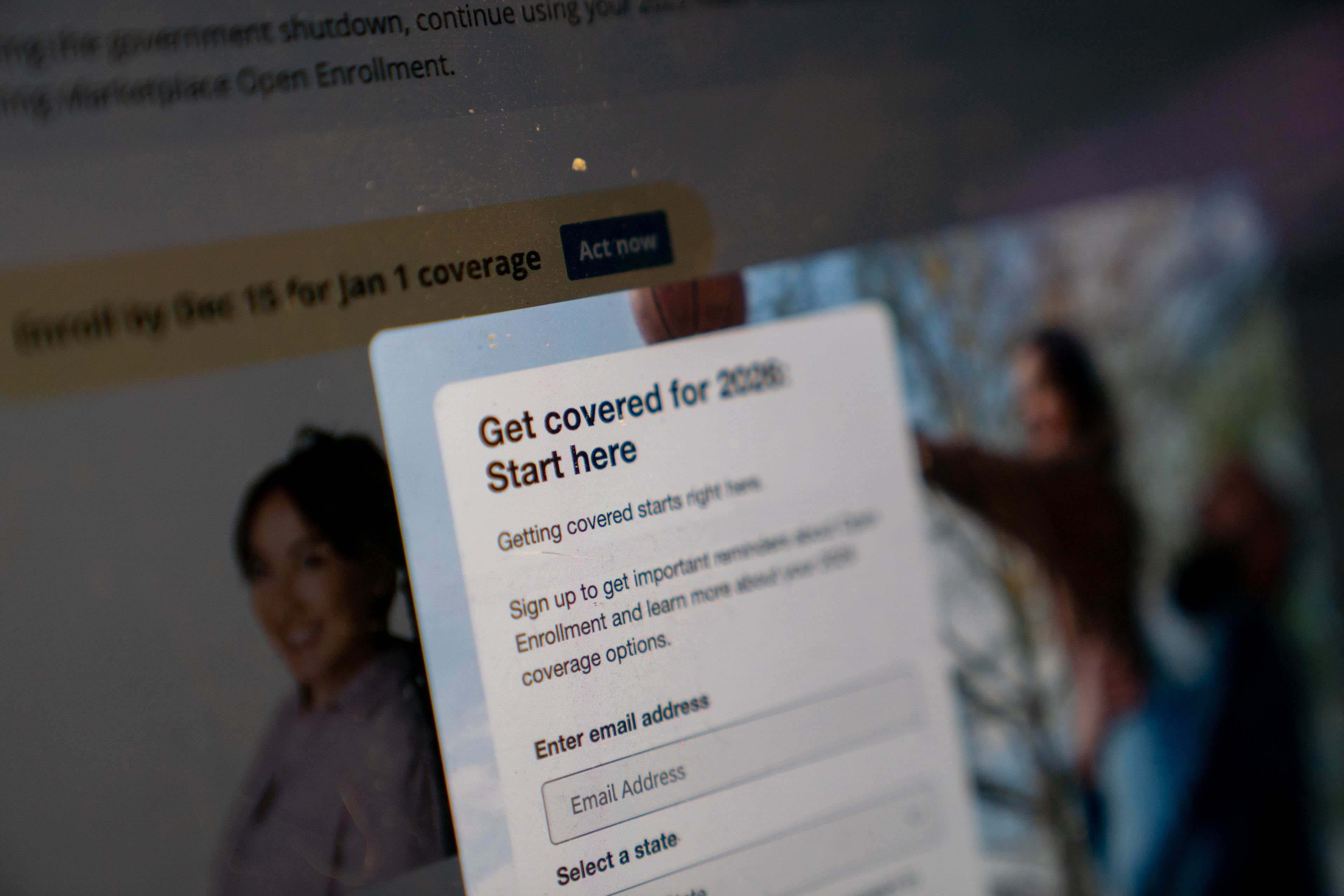

The ACA MarketplaceS

In Preliminary Rate Filings, ACA Marketplace Insurers Largely Propose Double-Digit Premium Increase For 2027, Following a Steep Climb This Year 

ACA Marketplace insurers are proposing a median premium increase of 14% for 2027— indicating a likely second consecutive year of double-digit increases, according to a new analysis of preliminary rate filings in 16 states and DC. If these increases hold, typical premiums for insurers participating in the ACA Marketplaces would jump by more than one-third between 2025 and 2027.

The Average Marketplace Deductible Grew by About $1,000 Per Person in 2026, With More Enrollees Shifting to Higher-Deductible Plans as Enhanced Tax Credits Expired

The average Affordable Care Act (ACA) Marketplace deductible experienced the steepest increase in history—growing by 37% or over $1,000, from $2,759 in 2025 to $3,786 in 2026 as enhanced premium tax credits expired, according to a new KFF analysis. After the enhanced tax credits ended, many Marketplace shoppers shifted toward lower-premium, higher-deductible plans.

Stay informed.

Stay informed.

https://js.hsforms.net/forms/embed/292449.js

Filter

311 - 320 of 2,780 Results

  • What is a Catastrophic health plan?

    FAQs

    A “Catastrophic plan” is a qualified health plan offered on or off the Marketplace that covers the “essential health benefits.” While Catastrophic plans have lower premiums than other qualified health plans, they also have the highest level of cost sharing allowable for an ACA-compliant plan. For 2026, the annual deductible for covered services in a Catastrophic plan is $10,600 for an individual or $21,200 for a family. The plan does not have to cover more…

  • I’m covered under my parents’ plan, and I’m pregnant. Will my parents’ plan cover my prenatal care and delivery?

    FAQs

    Federal laws require most employer-sponsored plans and all ACA-compliant individual insurance plans, including those available through the Marketplaces, to cover maternity services, including pregnancy, childbirth, and newborn care. Cost sharing may apply to some maternity services. Most private plans also must cover prenatal visits and screenings, folic acid supplements, tobacco cessation counseling and interventions, and breastfeeding services without any cost-sharing because they are considered preventive services. Some health plans are not required to cover all…

  • I’m divorced and I pay alimony to my ex-spouse. Does that affect my income for determining eligibility for premium tax credits?

    FAQs

    Federal tax rules set out what is included in your household income. Eligibility for and the amount of premium tax credits are largely based on your household income. Check with a tax advisor, but in general, for divorce or separation agreements after December 31, 2018, alimony payments are no longer deductible from the income of the paying ex-spouse, and alimony is not included as income for the recipient ex-spouse. For pre-2019 divorces, the paying ex-spouse…

  • My income is low enough that I qualify for advanced premium tax credits (APTCs), but I have never filed a federal tax return before. Can I still receive APTCs?

    FAQs

    If this is your first time applying for premium tax credits, then yes. There is no requirement to have filed a tax return for any prior year to qualify for premium tax credits. However, because you have never filed a federal tax return, you will likely have to provide additional documentation (such as pay stubs or a work contract) to the Marketplace within 90 days to verify your projected household income for premium tax credits. …

  • What happens with the premium tax credits if we want different Marketplace plans for different family members?

    FAQs

    Assuming you are part of one application, the members of your household can enroll in separate plans in a health insurance Marketplace. For example, you may want separate plans because a grown child lives in another part of the state or because your spouse needs a plan with a different provider network than the one you chose. The premium tax credit will be allocated to the plans in which different family members enroll. However, if…

  • Should I claim a premium tax credit in advance, at the end of the year, or some of both?

    FAQs

    That’s up to you. You can have tax credits paid directly to your health plan each month to reduce your monthly premium right away, or, if you can afford to, you can pay the entire health plan premium yourself up front and collect the premium tax credit in a lump sum next year when you file your tax return. Alternatively, you can have some of the tax credit paid directly to your insurer in advance…

  • What are premium tax credits and how do they work?

    FAQs

    Premium tax credits reduce your premium for most Marketplace plans. The amount of the tax credit you may receive depends on your income and the cost of Marketplace health plans in your area. The Marketplace will determine the expected contribution you are required to pay toward the premium for a mid-range (Silver) benchmark plan. The expected contribution will increase on a sliding scale based on your 2026 income, with more financial assistance for enrollees with…

  • Can I buy health insurance outside of the Marketplace that meets all ACA consumer protection standards?

    FAQs

    Yes. Many insurers that offer plans through the ACA Marketplace also offer identical plans outside of the Marketplace that meet all ACA standards, although premium tax credits and cost-sharing subsidies are not available for plans sold outside of the Marketplace. Some people prefer to buy health insurance outside of the Marketplace when they are sure they won’t qualify for financial assistance. Like health insurance plans sold on the Marketplace, “ACA-compliant” plans sold outside of the…