Affordable Care Act

About the ACA

Promotional image for KFF video How Affordable is the Affordable Care Act

Did the Affordable Care Act Make Health Care More Affordable?

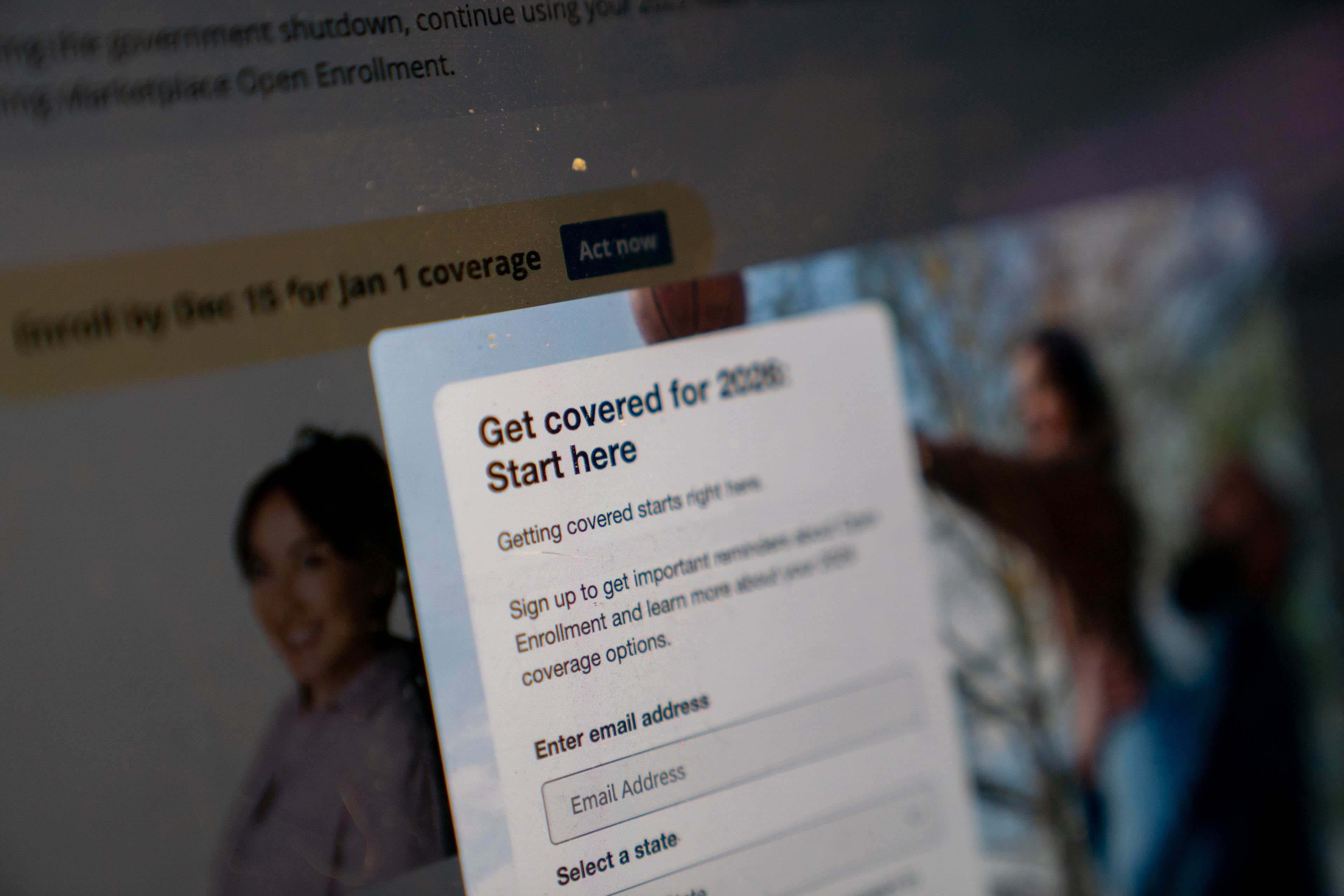
The expiration of the ACA’s enhanced premium tax credits at the start of 2026, combined with rising insurer premiums, put a spotlight on health care affordability that extends beyond Marketplace enrollees. KFF’s Cynthia Cox examines the ACA’s record and the broader underlying question it raises: what’s a fair price for Americans people to pay for health care?

The ACA MarketplaceS

In Preliminary Rate Filings, ACA Marketplace Insurers Largely Propose Double-Digit Premium Increase For 2027, Following a Steep Climb This Year 

ACA Marketplace insurers are proposing a median premium increase of 14% for 2027— indicating a likely second consecutive year of double-digit increases, according to a new analysis of preliminary rate filings in 16 states and DC. If these increases hold, typical premiums for insurers participating in the ACA Marketplaces would jump by more than one-third between 2025 and 2027.

The Average Marketplace Deductible Grew by About $1,000 Per Person in 2026, With More Enrollees Shifting to Higher-Deductible Plans as Enhanced Tax Credits Expired

The average Affordable Care Act (ACA) Marketplace deductible experienced the steepest increase in history—growing by 37% or over $1,000, from $2,759 in 2025 to $3,786 in 2026 as enhanced premium tax credits expired, according to a new KFF analysis. After the enhanced tax credits ended, many Marketplace shoppers shifted toward lower-premium, higher-deductible plans.

Stay informed.

Stay informed.

https://js.hsforms.net/forms/embed/292449.js

Filter

2,541 - 2,550 of 2,780 Results

  • Kaiser Health Tracking Poll — August 2010

    Feature

    The August Health Tracking Poll finds that support for health reform fell over the course of August, dipping from a 50 percent favorability rating in July to 43 percent, while 45 percent of the public reported unfavorable views. The dip in favorability returned public opinion on the new law to the even split last seen in May before a modest uptick in support in June and July. Americans’ views of how reform will affect them…

  • 50 Ways to Implement Health Reform: State Challenges and Federal Assistance

    Event Date:
    Event

    This briefing looks into the key challenges facing states, including working within state legislative cycles against tight deadlines in the federal law, creating new roles at the state level as state budgets are being squeezed, and others. It looks at both near-term provisions, such as high risk pools, as well as other provisions farther down the road, such as setting up exchanges and instituting changes to Medicaid eligibility. This August 2 briefing was cosponsored by…

  • Optimizing Medicaid Enrollment: Spotlight on Technology – Louisiana’s Express Lane Eligibility

    Issue Brief

    This piece looks at how Louisiana uses “express lane eligibility" to increase and streamline the enrollment of low-income children in its Medicaid program. It is the first in a Spotlight on Technology series profiling several states' innovative applications of technology to Medicaid enrollment efforts. The series illustrates a range of approaches that states can adopt to improve their systems now and to prepare for the expansion of Medicaid under health reform. Spotlight (.pdf)

  • State Medicaid Agencies Prepare for Health Care Reform While Continuing to Face Challenges from the Recession

    Issue Brief

    This report, based on discussions with leading state Medicaid directors in May 2010, examines how Medicaid agencies are preparing for a lead role in implementing health reform while continuing to deal with the impact of the recession. The report augments the most recent annual Medicaid budget survey report, released in September 2009, and a mid-year update report released in February 2010. NOTE: Updated report on fiscal years 2010 and 2011 now available. Report (.pdf)

  • Explaining Health Reform: Eligibility And Enrollment Processes For Medicaid, CHIP and Subsidies in the Exchange

    Issue Brief

    The new health reform law will require most U.S. citizens and legal residents to have health coverage by 2014. It provides new options for coverage by expanding Medicaid eligibility to more low-income people and creating a state-based system of health insurance exchanges through which individuals can purchase coverage, with federal subsidies for many. This brief and accompanying explanatory chart summarize key requirements that states face under health reform to construct coordinated and consumer-friendly enrollment systems…

  • Optimizing Medicaid Enrollment: Spotlight on Technology

    Report

    The health reform law provides for a national expansion of Medicaid in 2014 that will extend eligibility to millions more low-income people, primarily uninsured adults. It also requires implementation of a coordinated system for determining eligibility for Medicaid and subsidized coverage in the new health insurance exchanges. Given the expected new demands on Medicaid eligibility and enrollment systems, and continuing fiscal strains on states, the impetus to streamline and automate Medicaid systems has never been…

  • Kaiser Health Tracking Poll — July 2010

    Feature

    The July Health Tracking Poll indicates overall public support for the health reform law is steady from June, while unfavorable views of the law have trended downward.  Half the public (50%) now expresses a favorable view of the law, while 35 percent say they have an unfavorable opinion (down from 41% in June). The poll also took a closer look at the views of seniors since they are often assumed to have a uniform view…

  • Overall Public Support for the Health Reform Law Is Steady from June

    Perspective

    The July Kaiser Health Tracking Poll indicates overall public support for the health reform law is steady from June, while unfavorable views of the law have trended downward somewhat. Half the public (50%) now expresses a favorable view of the law, while 35 percent say they have an unfavorable opinion (down from 41% in June). Seniors’ views of the new law remain more negative than those of their younger counterparts; they tilt towards unfavorable views,…

  • Pulling it Together: Seniors and Health Reform

    Perspective

    It is widely believed that seniors are antsy about the new health reform law. And there is heightened interest in how seniors feel about the law in the political world because they are more likely to vote in midterm elections.  About 48% of the electorate said they voted in the 2006 midterms while about 63% of seniors said the same.  Our June and July tracking polls shed light on seniors’ views on health reform and…

  • Statement of Gary Claxton to NAIC Exchanges (B) Subgroup

    Event Date:
    Event

    Kaiser Family Foundation Vice President Gary Claxton, who directs the Foundation's Marketplace Policy Project, testified July 22, 2010, at a public hearing before the National Association of Insurance Commissioners' Exchanges (B) Subgroup established by the health reform law.  Testimony (.pdf)