Affordable Care Act

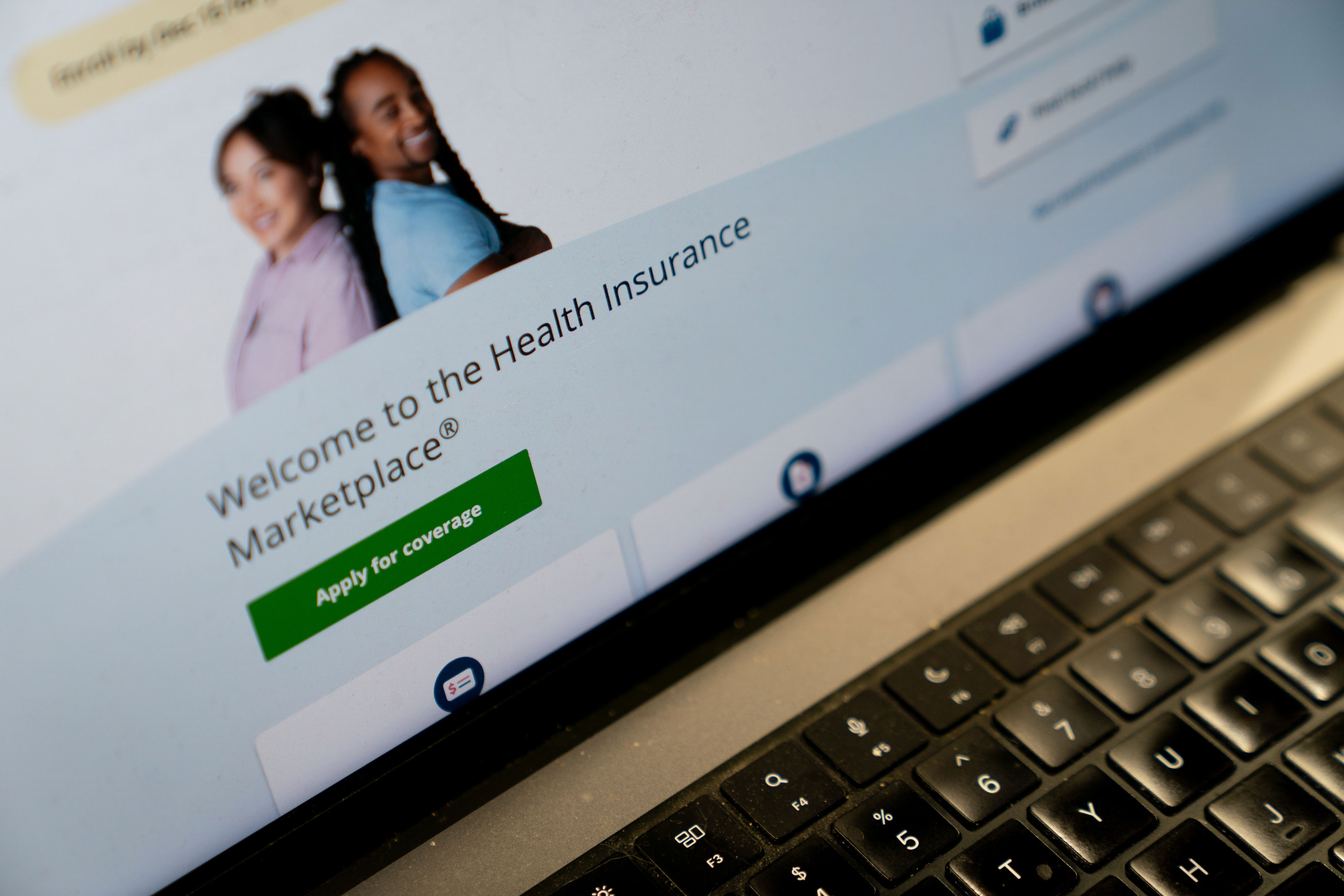
The ACA Marketplace

2025 KFF Marketplace Enrollees Survey

In 2025, about one in three ACA enrollees said they would be “very likely” to look for a lower-premium Marketplace plan If their premium payments doubled.

Cost Concerns and Coverage Changes: A Follow-Up Survey of ACA Marketplace Enrollees

Following the expiration of the enhanced premium tax credits for people with Affordable Care Act (ACA) Marketplace plans, a new KFF follow-up survey of the same Marketplace enrollees KFF surveyed in 2025 finds half (51%) of returning enrollees say their health care costs are “a lot higher” this year compared to last year, including four in 10 who specifically say their premiums are “a lot higher.”

Timely insights and analysis from KFF staff

Latest News

No Posts to Show

Subscribe to KFF Emails

Choose which emails are best for you.
Sign up here

Filter

2,251 - 2,260 of 2,769 Results

  • New Analysis Shows States with Medicaid Expansion Experienced Declines in Uninsured Hospital Discharges

    Issue Brief

    Expanded health insurance coverage through the Affordable Care Act (ACA) is having a major impact on hospital payer mix across the country. Similar to other reports recently released, new data examining hospital discharges in 16 states with data through the second quarter in 2014 show increases in Medicaid and declines in uninsured or self-pay discharges in states that implemented the Medicaid expansion. These trends hold true for all hospital discharges as well as for specific…

  • Employer Family Health Premiums Rise 4 Percent to $17,545 in 2015, Extending a Decade-Long Trend of Relatively Moderate Increases

    News Release

    Since 2010, Deductibles for All Workers Have Risen Almost Three Times as Fast as Premiums and About Seven Times as Fast as Wages and Inflation Facing New Requirements, Few Employers Make Changes to Workers' Hours Menlo Park, Calif. – Single and family premiums for employer-sponsored health insurance rose an average of 4 percent this year, continuing a decade-long period of moderate growth, according to the Kaiser Family Foundation/Health Research & Educational Trust (HRET) 2015 Employer Health Benefits…

  • Eligibility for ACA Health Coverage Following Job Loss

    Issue Brief

    As unemployment claims skyrocket amid the coronavirus (COVID-19) crisis, this analysis examines the potential loss of job-based coverage among people in families where someone lost employment between March 1 and May 2 and estimate their eligibility for ACA coverage as of May and January 2021, when most will have exhausted their unemployment benefits.

  • As Unemployment Skyrockets, KFF Estimates More than 20 Million People Losing Job-Based Health Coverage Will Become Eligible for ACA Coverage through Medicaid or Marketplace Tax Credits

    News Release

    Coverage Losses Will Affect At Least a Million Residents in Each of Eight States: California, Texas, Pennsylvania, New York, Georgia, Florida, Michigan and Ohio With more than 31 million workers filing unemployment claims between March 1 and May 2 as the coronavirus crisis hit the nation’s economy, a new KFF analysis estimates 26.8 million people across the country would become uninsured due to loss of job-based health coverage if they don't sign up for other…

  • KFF Health Tracking Poll – May 2020

    Report

    This poll examines people's views on the coronavirus (COVID-19) outbreak as many states begin to re-open their states and the economy, including their expectations, experiences and attitudes about the government responses heading into Summer 2020. It also assesses voters' views ahead of the presidential election in November.

  • Brief Examines the COVID-19 Crisis’ Implications for Americans’ Mental Health

    News Release

    Nearly half (45%) of adults across the country say that worry and stress related to the coronavirus (COVID-19) pandemic are hurting their mental health, an early sign that the health and economic crises is likely to increase mental health problems and further stretch the system’s capacity. A new issue brief explores how the crises and related measures to protect public health, including social distancing, business and school closures, and shelter-in-place orders, are likely to affect…

  • The 2020 Presidential Election: Implications for Women’s Health

    Issue Brief

    This brief and side-by-side tables reviews the key health issues that are likely to have a direct impact on women’s health as well as their access to coverage and care, and summarizes the presidential candidates’ stated positions and records on these issues.