Affordable Care Act

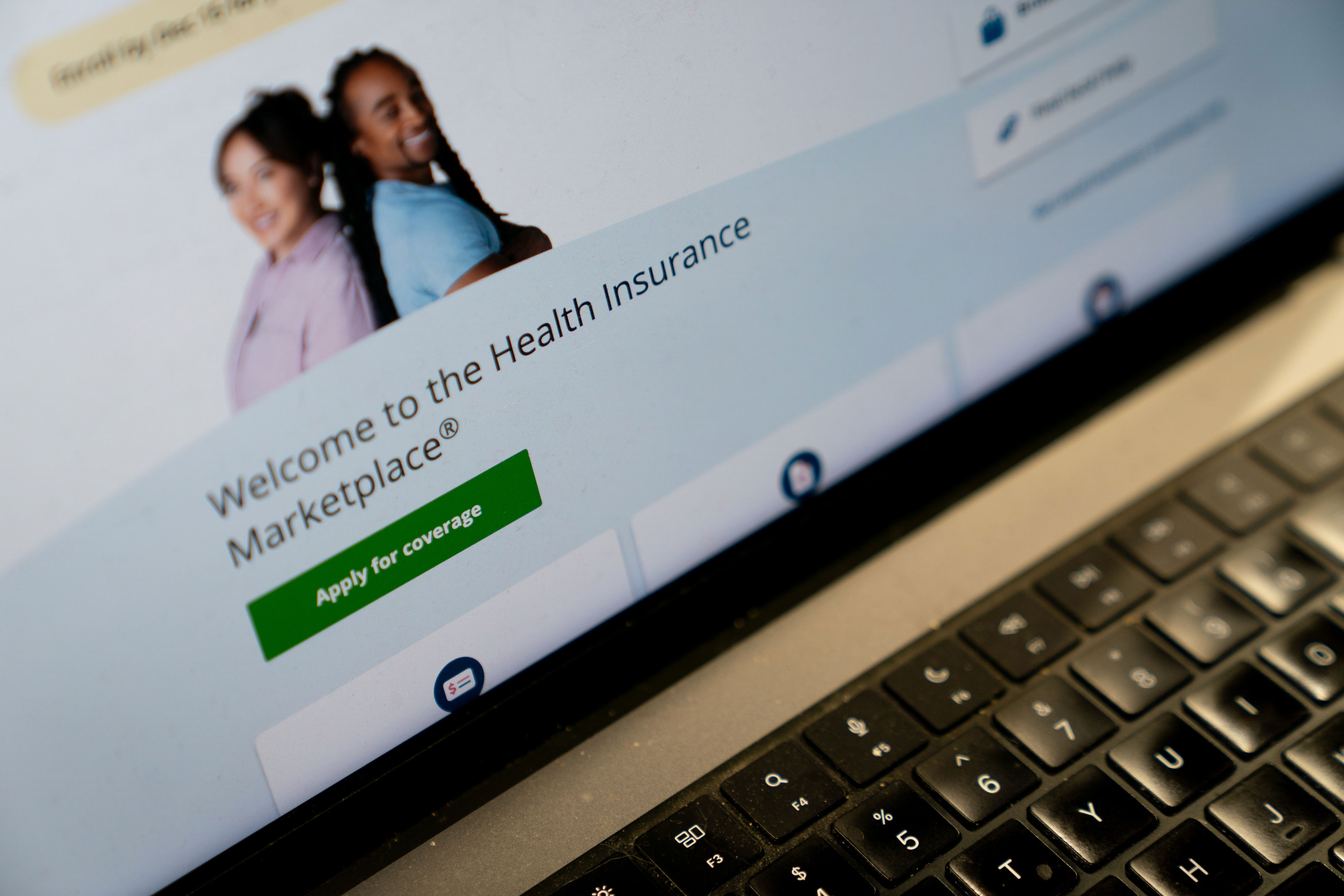
The ACA MarketplaceS

POLLING on the ACA

Tracking the Public’s Views on the ACA

While overall opinion of the Affordable Care Act has been more favorable than unfavorable since 2017, there remain deep partisan divides. See how public opinion on the ACA has changed from the inception of the law to the present. This interactive tool highlights key moments when views shifted and trends based on party identification, income, age, gender, and race/ethnicity.

Stay informed.

Stay informed.

Filter

2,021 - 2,030 of 2,775 Results

  • How Repeal of the Individual Mandate and Expansion of Loosely Regulated Plans are Affecting 2019 Premiums

    Issue Brief

    In health insurance systems designed to protect people with pre-existing conditions and guarantee availability of coverage regardless of health status, countervailing measures are also needed to ensure people do not wait until they are sick to sign up for coverage (as doing so would drive up average costs for other enrollees). The Affordable Care Act (ACA) included a variety of “carrots” (e.g., premium tax credits and cost-sharing reductions) and “sticks” (e.g., the individual mandate penalty…

  • Medicare-for-All and Public Plan Buy-In Proposals: Overview and Key Issues

    Issue Brief

    This issue brief compares eight Medicare-for-All and public plan option bills that have been introduced in the 115th Congress. The brief describes the range of proposals on the table and raises key questions related to how these proposals could affect coverage, out-of-pocket costs, existing coverage, payments to providers, as well as overall costs and financing, and potential tradeoffs.

  • Poll: As Midterms Approach, Health Care Remains Voters’ Top Issue, But President Trump and Other Factors Also Loom Large

    News Release

    Most Florida Voters Favor Expanding Medicaid in their State, As Do Voters across All Non-Expansion States In an expansive look at the role issues and politics may play in the 2018 midterm elections, the latest KFF Health Tracking Poll continues to find health care as the top issue for voters, but large shares of voters also say candidate characteristics, President Trump, and party control over Congress will be major factors. In the last KFF tracking…

  • Compare Medicare-for-all and Public Plan Proposals

    Interactive

    This side-by-side interactive compares 10 bills to expand public health coverage through Medicare-for-All, a public option and other approaches, that have been introduced in the current Congress. The interactive allows users to compare these proposals across a number of dimensions, including eligibility, benefits, cost sharing, provider payments, and more.

  • Declines in Uncompensated Care Costs for The Uninsured under the ACA and Implications of Recent Growth in the Uninsured Rate

    Issue Brief

    The increase in the uninsured rate in recent years, as well as loss of coverage during the pandemic, has led to attention on the consequences of being uninsured. The need for medical care to test, treat, or prevent COVID-19 has also highlighted the potential consequences of uncompensated care for uninsured people. Uncompensated care costs occur because, although people who are uninsured use less care than people with coverage, most who are uninsured have limited income…

  • Sources of Payment for Uncompensated Care for the Uninsured

    Issue Brief

    This brief estimates the level of public funding that was paid to help offset providers’ uncompensated care costs for the uninsured in 2017. To conduct the analysis, we rely on several secondary data sources including government budget appropriations and expenditure data for major public programs that provided funds to cover the cost of care for the uninsured, as well as analyses of secondary data sources completed by others.

  • Private Insurers Are Expected to Pay $2.1 Billion in Rebates to Consumers This Year for Excessive Health Insurance Premiums Relative to Health Care Expenses

    News Release

    Private insurance companies are expecting to pay out $2.1 billion in rebates to consumers this fall, the second highest amount ever issued under the Affordable Care Act, according to a new KFF analysis. The rebates, which are calculated based on the share of premium revenues that insurance companies paid out for health care expenses and quality improvement, are roughly $400 million lower than last year’s record high of $2.5 billion, but more than 50 percent…

  • Health Spending for 60-64 Year Olds Would Be Lower Under Medicare Than Under Large Employer Plans

    Issue Brief

    During the presidential campaign, President Biden proposed to lower the age of Medicare eligibility from 65 to 60. This analysis uses claims data for covered medical services from both large employer plans and traditional Medicare to illustrate the potential spending effects of using Medicare payment rates in lieu of higher rates paid by employer plans for people 60-64 who shift from large employer plans to Medicare.