Affordable Care Act

The ACA MarketplaceS

Change in February effectuated enrollment, by state, 2025-2026

How Has ACA Marketplace Enrollment Changed Across States in 2026?

ACA Marketplace enrollment fell this year in every state except New Mexico, which was the only state to fully replace the enhanced premium tax credits that expired last year with a state-funded subsidy, according to a new KFF analysis of effectuated enrollment data. The Marketplace enrollment decline—the first in seven years—follows several years of rapid enrollment growth and coincides with the end of the enhanced federal subsidies.
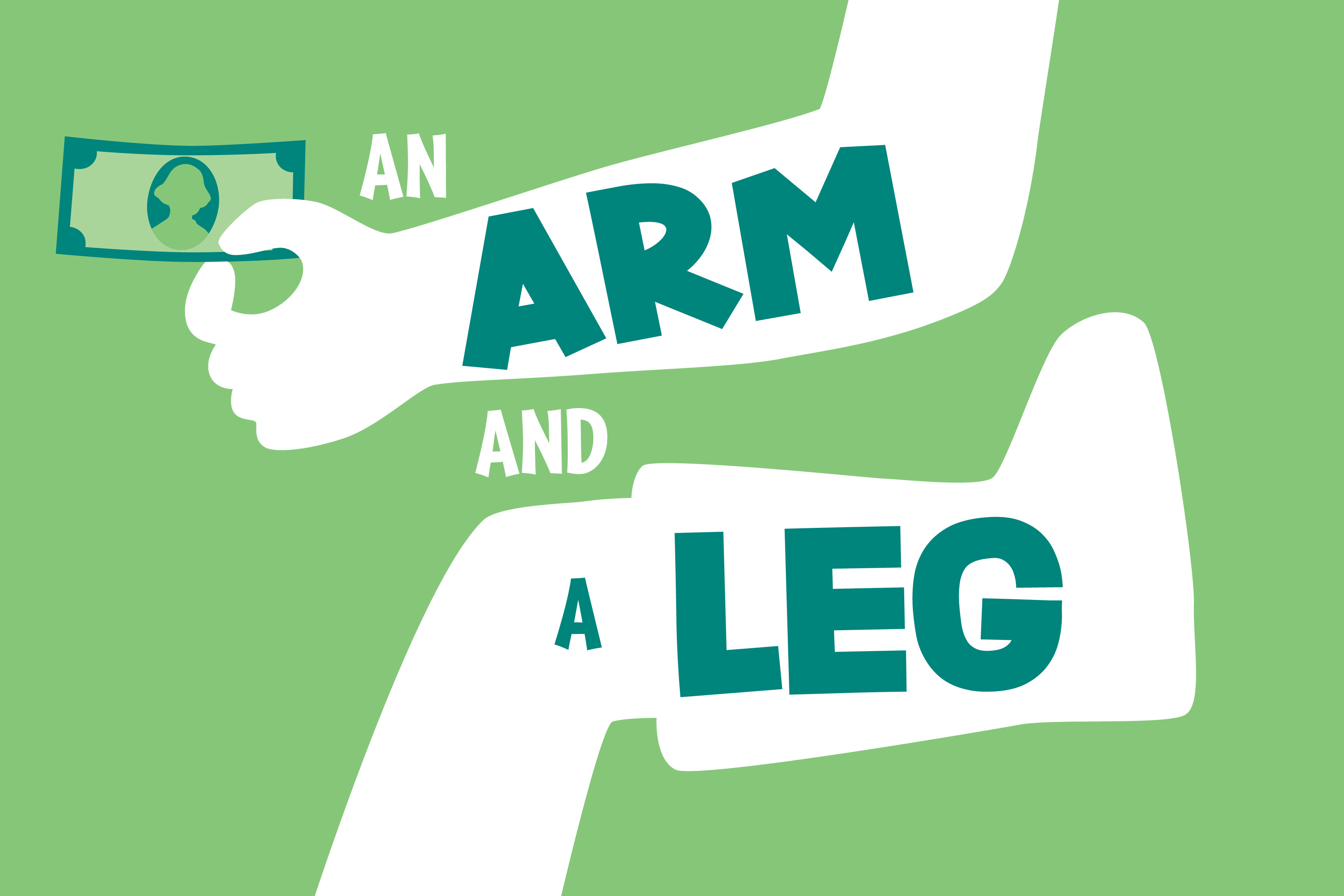

How Much and Why ACA Marketplace Premiums Are Going Up in 2027

ACA Marketplaces insurers are proposing a median premium increase of 15% in 2027, according to KFF’s updated analysis of 276 insurers with publicly available filings across all 50 states and the District of Columbia. This is the second consecutive year of double-digit premium hikes. Last year’s median nationwide proposed rate change was 18%, and the median finalized rate change was 20%. While this proposed rate change is lower than last year, it represents the second-highest requested rate change since 2018, as premium growth had been relatively flat in this market for several years.

About the ACA

Promotional image for KFF video How Affordable is the Affordable Care Act

Did the Affordable Care Act Make Health Care More Affordable?

The expiration of the ACA’s enhanced premium tax credits at the start of 2026, combined with rising insurer premiums, put a spotlight on health care affordability that extends beyond Marketplace enrollees. KFF’s Cynthia Cox examines the ACA’s record and the broader underlying question it raises: what’s a fair price for Americans people to pay for health care?

Stay informed.

Stay informed.

Filter

1,751 - 1,760 of 2,786 Results

  • Explaining the 2015 Open Enrollment Period

    Issue Brief

    The brief provides an overview of what consumers can expect during the second annual Open Enrollment period under the Affordable Care Act (ACA), which runs from November 15, 2014 through February 15, 2015. It is the second opportunity for uninsured individuals to enroll in private insurance coverage, premium tax credits and cost sharing subsidies and the first time that people newly insured in 2014 can renew their health plan coverage and subsidies. It also overlaps…

  • Data Note: Gearing Up For Round 2 of Open Enrollment: Some Lessons From Round 1

    Poll Finding

    As the second round of open enrollment approaches, policy makers, journalists, insurers and enrollment groups may want to keep in mind what health insurance shoppers told us about their experiences during the first open enrollment period. This data note examines selected findings from two Kaiser Family Foundation surveys that shed light on how people navigated the new options and choices available under the ACA during last fall’s open enrollment, with the hope of helping to…

  • How the Midterms Factor Into Medicaid Expansion

    From Drew Altman

    In this column for The Wall Street Journal’s Think Tank, Drew Altman discusses how Democratic victories in several close gubernatorial races on Tuesday could revive efforts to expand Medicaid.

  • New Analysis Finds the Affordable Care Act Mentioned in 14% of This Year’s Political Ads

    News Release

    Republican Ads Were Much More Likely to Mention ACA, Often in Spots that Also Hit Other Issues About 14 percent of political ads in all races airing this year through October 15 mention the Affordable Care Act, Obamacare or any of the law's specific provisions, mostly in a negative way, a new Kaiser Family Foundation study finds. Overall, about a quarter (26%) of political spots airing so far this year mention health care issues, including…

  • ACA Advertising in 2014 – Insurance and Political Ads

    Report

    This study analyzes the volume and content of political ads mentioning health care issues that aired in 2014 through Oct. 15, as well as health insurance spots promoting specific insurance products or encouraging enrollment in marketplace plans. It finds that about 14 percent of political ads in all races mention the Affordable Care Act, Obamacare or any of the law's specific provisions, mostly in a negative way.

  • Poll: Obamacare Is Not a Big Issue With Midterm Voters

    From Drew Altman

    In this column for The Wall Street Journal’s Think Tank, Drew Altman analyzes recent polling data on the Affordable Care Act and discusses why it will not be a significant factor in next week’s midterm election.

  • The ACA Primary Care Increase: State Plans for SFY 2015

    Perspective

    This perspective provides additional information on state plans related to the Affordable Care Act's (ACA) primary care rate increase after the 100% federal financing ends December 31, 2014. The data in this report were collected as part of KCMU’s Annual Medicaid Budget Survey, conducted by Health Management Associates with the support of the National Association of Medicaid Directors,

  • An Update on Coverage for Preventive Services Under the Affordable Care Act

    News Release

    An updated fact sheet from the Kaiser Family Foundation summarizes the latest information on health plan coverage of preventive services under the Affordable Care Act. The fact sheet details the rules that govern when plans are required to cover services without cost-sharing and which services are covered. In addition, the fact sheet summarizes the clarifications issued by the U.S. Department of Health and Human Services on coverage for a number of services including: colon cancer…

  • Poll: Obamacare Is Not a Big Issue With Midterm Voters

    News Release

    In his latest column for The Wall Street Journal’s Think Tank, Drew Altman analyzes recent polling data on the Affordable Care Act and discusses why it will not be a significant factor in next week’s midterm election. All previous columns by Drew Altman are available online.

  • Tax Subsidies for Private Health Insurance

    Issue Brief

    This brief describes the different forms of tax assistance for private health insurance, including subsidies offered through the Affordable Care Act's marketplaces and benefits for people who are self-employed or who have employer-based coverage. The brief also provides examples of how the subsidies work and how the amounts may differ by income and type of coverage.