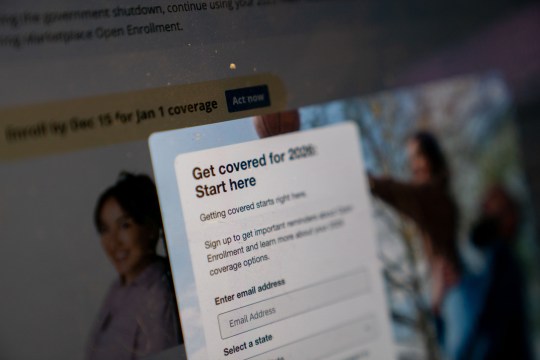
Affordable Care Act

The ACA MarketplaceS

In Preliminary Rate Filings, ACA Marketplace Insurers Largely Propose Double-Digit Premium Increase For 2027, Following a Steep Climb This Year 

ACA Marketplace insurers are proposing a median premium increase of 14% for 2027— indicating a likely second consecutive year of double-digit increases, according to a new analysis of preliminary rate filings in 16 states and DC. If these increases hold, typical premiums for insurers participating in the ACA Marketplaces would jump by more than one-third between 2025 and 2027.

The Average Marketplace Deductible Grew by About $1,000 Per Person in 2026, With More Enrollees Shifting to Higher-Deductible Plans as Enhanced Tax Credits Expired

The average Affordable Care Act (ACA) Marketplace deductible experienced the steepest increase in history—growing by 37% or over $1,000, from $2,759 in 2025 to $3,786 in 2026 as enhanced premium tax credits expired, according to a new KFF analysis. After the enhanced tax credits ended, many Marketplace shoppers shifted toward lower-premium, higher-deductible plans.

POLLING on the ACA

Tracking the Public’s Views on the ACA

While overall opinion of the Affordable Care Act has been more favorable than unfavorable since 2017, there remain deep partisan divides. See how public opinion on the ACA has changed from the inception of the law to the present. This interactive tool highlights key moments when views shifted and trends based on party identification, income, age, gender, and race/ethnicity.

Stay informed.

Stay informed.

https://js.hsforms.net/forms/embed/292449.js

Filter

1,441 - 1,450 of 2,777 Results

  • Understanding the Health Provisions in the Inflation Reduction Act

    Other Post

    President Biden signed the Inflation Reduction Act of 2022 into law on August, 16, 2022. KFF has several analyses relevant to understanding the health provisions in the legislation, as well as their potential impact on people. Among other measures, the legislation for the first time requires the HHS Secretary to negotiate prices for some top-selling drugs covered in Medicare. It also requires drug companies to pay rebates if prices rise faster than inflation for drugs…

  • The Biggest Health Care Reform in a Decade Could Lower Your Costs

    Perspective

    Larry Levitt writes about the political and practical impact of the health care provisions in the Inflation Reduction Act  in The New York Times guest essay, “The Biggest Health Care Reform in a Decade Could Lower Your Costs.” 

  • ¿Cómo funcionan los subsidios para las primas?

    FAQs

    Los subsidios para las primas reducen la prima (lo que paga cada mes por su cobertura) para la mayoría de los planes del mercado de seguros. El monto del crédito fiscal que puede recibir depende de sus ingresos y del costo de los planes de salud del mercado en su área. El mercado determinará la contribución esperada que debe pagar para la prima de un plan de referencia de rango medio (Plata). La contribución esperada…

  • Soy un adulto joven, recién independizado de mis padres, y nunca antes había presentado mi propia declaración de impuestos federal. ¿Puedo solicitar subsidios para las primas este año? ¿Eso generará alg...

    FAQs

    Sí, puede solicitar créditos fiscales para las primas este año. Un desafío que puede enfrentar es verificar sus ingresos. El mercado de seguros verifica los ingresos estimados de un solicitante en tiempo real durante el proceso de solicitud, utilizando datos del IRS de declaraciones de impuestos federales recientes y, a veces, otras fuentes de datos. Sin embargo, dado que nunca antes ha presentado una declaración de impuestos, el mercado debe aceptar su autodeclaración sobre su…

  • The Virginia Health Care Landscape

    Fact Sheet

    This fact sheet provides an overview of the population health, health coverage, and health care delivery system in Virginia in the era of health reform under the Affordable Care Act (ACA).

  • The Affordable Care Act and Insurance Coverage in Rural Areas

    Issue Brief

    Rural populations face disparities compared to metropolitan populations in health care. While rural individuals were not more likely to be uninsured than metropolitan counterparts pre-Affordable Care Act, they were poorer and less likely to have private insurance. With coverage changes in the ACA involving an expansion of Medicaid for poor and near-poor populations, decisions by states with large rural populations may cause rural residents to have disparate access to coverage, which may exacerbate cost and…

  • Partying Spring Breakers Don’t Represent Most of America’s Young Adults

    Policy Watch

    While news stories accurately depict the actions of some young people on spring break, our latest national poll show they are not representative of young adults more broadly who largely say they are engaging in social distancing practices in response to the coronavirus pandemic.

  • Brief Examines the COVID-19 Crisis’ Implications for Americans’ Mental Health

    News Release

    Nearly half (45%) of adults across the country say that worry and stress related to the coronavirus (COVID-19) pandemic are hurting their mental health, an early sign that the health and economic crises is likely to increase mental health problems and further stretch the system’s capacity. A new issue brief explores how the crises and related measures to protect public health, including social distancing, business and school closures, and shelter-in-place orders, are likely to affect…

  • Medicaid: What to Watch in 2020

    Issue Brief

    Medicaid, the provider of health insurance coverage for about one in five Americans and the largest payer for long-term care services in the community and nursing homes, continues to be a key part of health policy debates at the federal and state level. Key Medicaid issues to watch in 2020 include: Medicaid expansion developments; Section 1115 waiver activity; enrollment and spending trends; benefits, payment and delivery system reforms, and the implications of the 2020 elections.