Affordable Care Act

About the ACA

Promotional image for KFF video How Affordable is the Affordable Care Act

Did the Affordable Care Act Make Health Care More Affordable?

The expiration of the ACA’s enhanced premium tax credits at the start of 2026, combined with rising insurer premiums, put a spotlight on health care affordability that extends beyond Marketplace enrollees. KFF’s Cynthia Cox examines the ACA’s record and the broader underlying question it raises: what’s a fair price for Americans people to pay for health care?
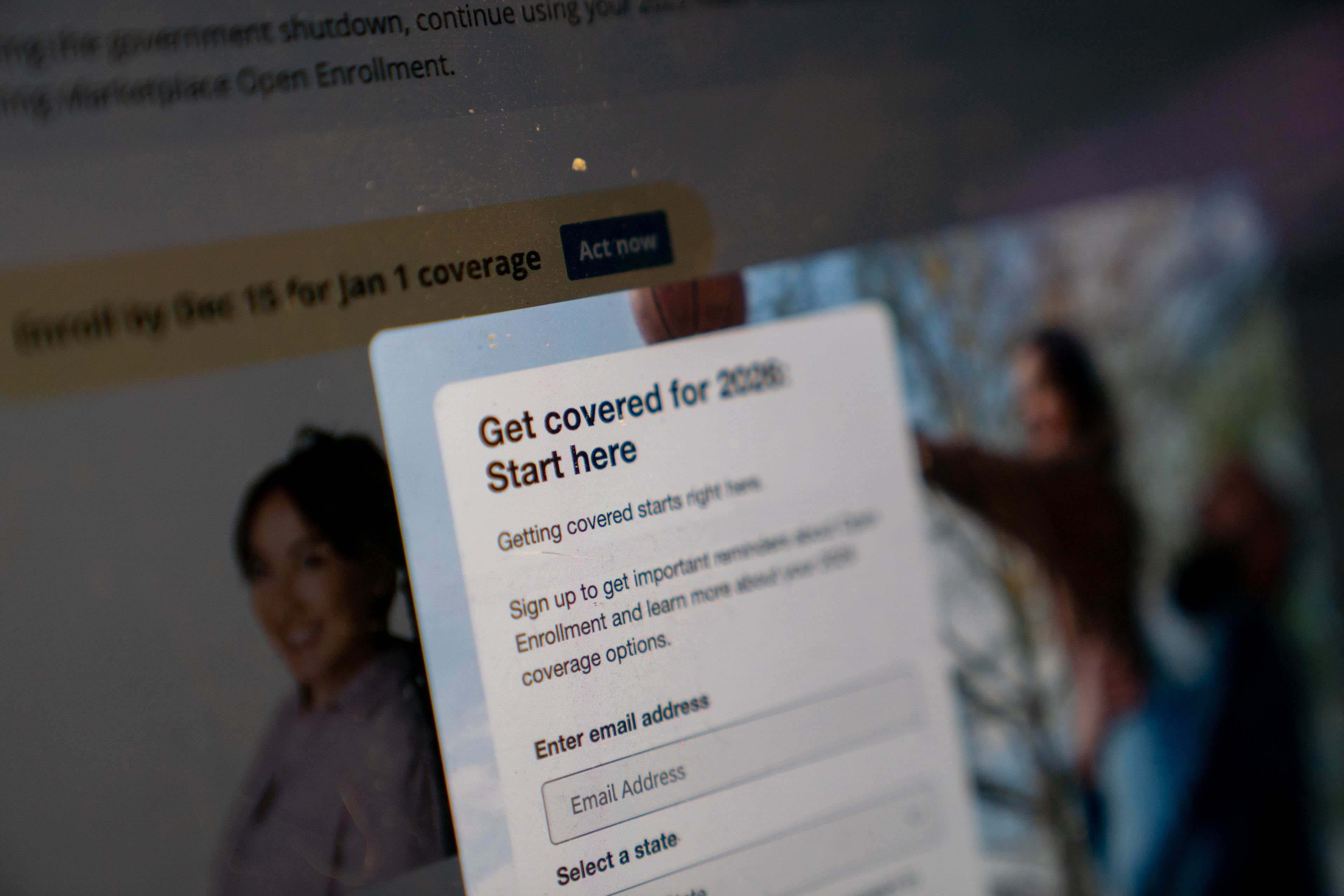

The ACA MarketplaceS

In Preliminary Rate Filings, ACA Marketplace Insurers Largely Propose Double-Digit Premium Increase For 2027, Following a Steep Climb This Year 

ACA Marketplace insurers are proposing a median premium increase of 14% for 2027— indicating a likely second consecutive year of double-digit increases, according to a new analysis of preliminary rate filings in 16 states and DC. If these increases hold, typical premiums for insurers participating in the ACA Marketplaces would jump by more than one-third between 2025 and 2027.

The Average Marketplace Deductible Grew by About $1,000 Per Person in 2026, With More Enrollees Shifting to Higher-Deductible Plans as Enhanced Tax Credits Expired

The average Affordable Care Act (ACA) Marketplace deductible experienced the steepest increase in history—growing by 37% or over $1,000, from $2,759 in 2025 to $3,786 in 2026 as enhanced premium tax credits expired, according to a new KFF analysis. After the enhanced tax credits ended, many Marketplace shoppers shifted toward lower-premium, higher-deductible plans.

Stay informed.

Stay informed.

https://js.hsforms.net/forms/embed/292449.js

Filter

1,321 - 1,330 of 2,780 Results

  • Poll: New Tax and Budget Law Remains Largely Unpopular; Nearly Half Say It Will Hurt Their Families, though Republicans and MAGA Supporters Are More Optimistic

    News Release

    Nearly half (46%) of the public says that they expect the new tax and budget law signed by President Trump earlier this month to generally hurt them and their families, nearly twice the share (26%) who say it will generally help, a new KFF Health Tracking Poll finds. Among people who rely on Medicaid for their health coverage, two-thirds (65%) say it will hurt their families compared to one in five (18%) who say it…

  • My company provides funds for workers to buy health insurance on their own instead of providing health insurance through the company. Can I still qualify for premium tax credits to buy a Marketplace plan?

    FAQs

    Employees who receive funds to buy health insurance on the individual market can sometimes still qualify for premium tax credits, depending on the type of health reimbursement arrangement (HRA) their employer offers and its affordability to you: Employers with fewer than 50 workers may offer what’s known as a Qualified Small Employer HRA. If your employer offers this type of coverage arrangement and it is considered “affordable” based on your household income, you will not…

  • ¿Qué es un plan de salud para estudiantes?

    FAQs

    Un plan de salud estudiantil es un tipo especial de cobertura médica que las universidades ofrecen a sus estudiantes matriculados. Normalmente, un plan de salud estudiantil es diferente de la cobertura patrocinada por el empleador que las universidades ofrecen a su plantel de profesores y a su personal.

  • ¿Cómo puedo proteger mi información personal al inscribirme en la cobertura del mercado a través de un sitio web que no pertenece al mercado?

    FAQs

    Aquí tiene algunos consejos para proteger su información personal si decide inscribirse en el mercado de seguros a través de un sitio web externo: Tenga cuidado con las técnicas de venta que lo presionan para tomar decisiones rápidas. Utilice esta herramienta cuidadodesalud.gov para encontrar sitios web de socios de inscripción certificados y aprobados por el mercado de seguros. Tenga cuidado al interactuar con anuncios que ofrecen dinero en efectivo, regalos u otros beneficios. La información…

  • ¿Qué tipos de planes médicos venden los sitios web de inscripción privada?

    FAQs

    Los sitios web de inscripción privada administrados por compañías de seguros generalmente solo muestran los planes que ofrece esa aseguradora. Los sitios web administrados por corredores de seguros deben mostrar todos los planes ofrecidos por varias aseguradoras. Si tiene preguntas o inquietudes sobre la información en estos sitios, comuníquese con el centro de atención telefónica del mercado, con cuidadodesalud.gov o con el mercado de su estado. Muchos sitios web de inscripción privada también venden planes…

  • On Health Care Issues, Voters Give Hillary Clinton a Substantial Edge Over Donald Trump  

    News Release

    Most Americans Worry about Large Number of Zika Cases in U.S. Over Next Year While the public tilts narrowly toward unfavorable views of the Affordable Care Act, presumptive Democratic nominee Hillary Clinton holds a clear advantage on health care issues over presumptive Republican nominee Donald Trump as the 2016 national political conventions approach, and voters generally, including independents, favor Democrats on health issues, the latest Kaiser Health Tracking Poll finds. When asked which of the…

  • Safety-Net Emergency Departments: A Look at Current Experiences and Challenges

    Issue Brief

    Safety-net hospital emergency departments (EDs) are an important part of our health care system, especially, but not only, for the uninsured and others with low income. With multiple major changes unfolding in our system today, including the development of new models of health care delivery, payment reforms, expanded insurance coverage, and increasing demand for primary care access, safety-net EDs are a sort of crucible in which these shifts and transitions can be seen playing out.…

  • Trends in Medicaid Spending Leading up to ACA Implementation

    Issue Brief

    This paper presents data on Medicaid spending during the years leading up to the implementation of the Affordable Care Act (ACA). It uses administrative data to first examine overall spending trends and trends by service type. We then draw on additional data to analyze per enrollee spending growth during this period, both by service type and by eligibility group, to understand what drove Medicaid spending.

  • Implementing the ACA: Medicaid Spending & Enrollment Growth for FY 2014 and FY 2015

    Issue Brief

    This report provides an overview of Medicaid financing and Medicaid spending and enrollment growth with a focus on state fiscal years 2014 and 2015 (FY 2014 and FY 2015.) Findings are based on interviews and data provided by state Medicaid directors as part of the 14th annual survey of Medicaid directors in all 50 states and the District of Columbia conducted by the Kaiser Commission on Medicaid and the Uninsured (KCMU) survey with Health Management…

  • Visualizing Health Policy: Understanding the Effect of Medicaid Expansion in the South

    News Release

    This Visualizing Health Policy infographic examines the effect of decisions by states in the South to implement or forgo the Affordable Care Act Medicaid expansion. It shows that Southerners are more likely than people living in other parts of the United States to be uninsured; that most Southern states have poverty rates above the national average; that without the Medicaid expansion (which most Southern states are not implementing), Medicaid eligibility levels for adults in the…