Affordable Care Act

The ACA MarketplaceS

Tracking Insurer Changes in the ACA Marketplaces in 2027

As of June 22, six carriers have announced that they will exit the Marketplaces in plan year 2027, either in some or all states that they are currently offering plans; four carriers have announced they will enter new Marketplaces.

An image of text is an excerpt from Cynthia Cox's quick take which reads, "While the Trump administration attributes this drop in enrollment to their attempts to address fraud, this coverage loss happened at the same time millions of people faced steep increases in their premium payments — often in the double or even triple digits — with the expiration of enhanced tax credits."

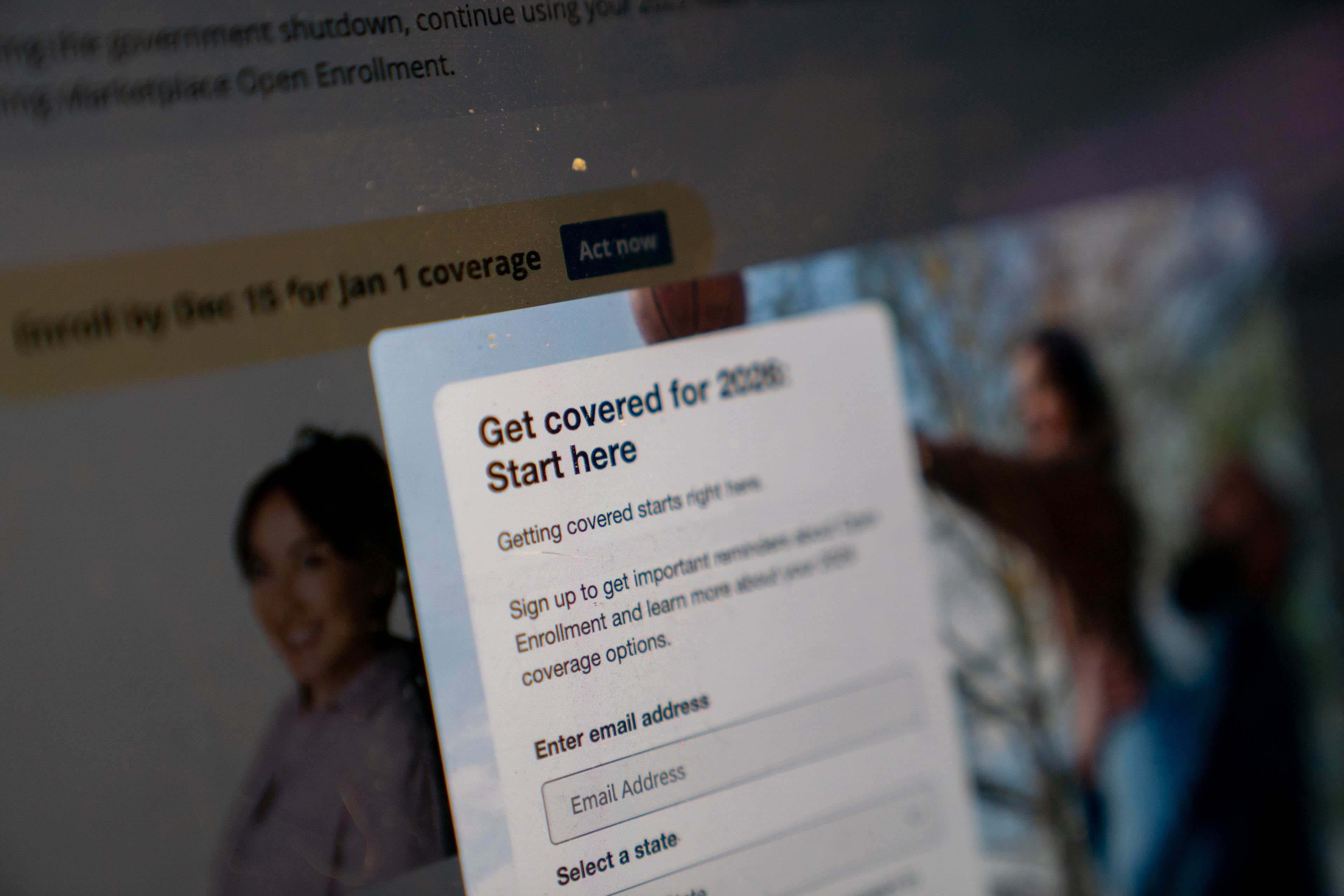
ACA Marketplace Enrollment Is Down By 3 Million After Big Jump in Premium Payments

Enrollment dropped 13% following the expiration of enhanced premium tax credits at the beginning of this year. Enrollment fell from a high of 22.1 million people in 2025 to 19.2 million people in February 2026. While the Trump administration attributes this drop in enrollment to their attempts to address fraud, this coverage loss happened at the same time millions of people faced steep increases in their premium payments – often in the double or even triple digits – with the expiration of enhanced tax credits.

POLLING on the ACA

Tracking the Public’s Views on the ACA

While overall opinion of the Affordable Care Act has been more favorable than unfavorable since 2017, there remain deep partisan divides. See how public opinion on the ACA has changed from the inception of the law to the present. This interactive tool highlights key moments when views shifted and trends based on party identification, income, age, gender, and race/ethnicity.

Latest News

No Posts to Show

Stay informed.

Stay informed.

Filter

1,101 - 1,110 of 2,776 Results

  • Kaiser Health Tracking Poll — August 2009

    Poll Finding

    The August Kaiser Health Tracking Poll finds a slim majority of Americans continues to favor moving forward on health care reform now despite an intensifying ad war and a political climate of contentious town hall meetings that coincide with rising concerns about the reform effort. Fifty-three percent of the public believes that tackling health reform is more important than ever, compared to 42 percent who say we cannot afford to take on health care reform…

  • Pulling it Together: Simple Arithmetic

    Perspective

    This week we put out our annual benchmark survey of employer health coverage and costs. Two numbers jumped off the pages. The first number was the average cost of a family health insurance policy in 2009: $13,375. To put that number in context, if you are an employer, you can hire an employee at the minimum wage for about $15,000 per year. If you are a consumer, you can rent an average two-bedroom apartment nationwide…

  • Immigrants’ Health Coverage and Health Reform: Key Questions and Answers

    Issue Brief

    As health reform discussions continue, there has been some focus on health coverage for immigrants and how immigrants will be treated under reform plans being considered on Capitol Hill. This issue brief provides an overview of key questions related to immigrants' health coverage and health reform, addressing subjects such as how immigrants receive health coverage, how many of the uninsured are non-citizen immigrants and what would happen to coverage for non-citizen immigrants under current health…

  • Investing in Health IT: What the U.S. and Other Countries Are Learning

    Event Date:
    Event

    Recent legislation, including the stimulus package and the new health reform law, invests substantial funds in health information technology which can help prevent medical errors and improve the quality and value of care. However, questions have been raised about the cost of implementation and personal privacy considerations. This briefing addressed questions such as: What have the U.S. and other countries learned from their experience with health IT? How is the adoption of this technology progressing…

  • Kaiser Health Tracking Poll – July 2009

    Poll Finding

    The July Kaiser Health Tracking Poll finds a majority of the public remains supportive of taking action on health reform now, though there is some softening of support as criticisms and doubts seem to be registering. As has been the case over the past ten months, a majority of the American people continue to believe that health reform is more important than ever despite the country's economic problems, and the public believes by a two…

  • Consumers’ Experience in Massachusetts: Lessons For National Health Reform

    Report

    This report examines the impact of state health reform efforts on the lives of ordinary people in Massachusetts, including a look at coverage provided by both public programs and private sources. It focuses specifically on people's ability to afford and obtain needed care. Report (.pdf)

  • Medicaid and Community Health Centers: The Relationship Between Coverage for Adults and Primary Care Capacity in Medically Underserved Communities

    Issue Brief

    Community health centers play an important role in providing care to uninsured and low-income individuals living in medically underserved communities. They rely on many different revenue sources and, over time, Medicaid has become a central source of funding for most health centers. To better understand how Medicaid influences health center practice, this paper compares the strength of health centers in states that have expanded Medicaid coverage for adults to health centers states with more limited…

  • Snapshots: Health Benefit Offer Rates and Employee Earnings

    Issue Brief

    Employer-provided health insurance is the primary source of insurance coverage in the United States, covering almost 160 million people.1 About 90 percent of the non-elderly privately-insured population is covered by employer-sponsored plans, meaning that employer decisions about whether to offer health benefits will influence overall rates of insurance coverage in the United States.  Sixty-nine percent of all firms offered health benefits to their employees in 2010.2 It is well-known that highly-paid workers are more likely to…

  • Women’s Health and Election 2008

    Issue Brief

     Download PDF Women consistently cite health care as one of the top issues they want the Presidential candidates to address, reflecting their experiences with the health care system as patients, mothers, and caregivers for frail and disabled family members.  Women’s priorities for health care reform cut across many critical topics, including health insurance coverage and affordability, the cornerstones of the candidates’ health proposals, as well as long-term care, delivery system issues, and reproductive health.  This…