Affordable Care Act

The ACA Marketplace

2025 KFF Marketplace Enrollees Survey

In 2025, about one in three ACA enrollees said they would be “very likely” to look for a lower-premium Marketplace plan If their premium payments doubled.

Cost Concerns and Coverage Changes: A Follow-Up Survey of ACA Marketplace Enrollees

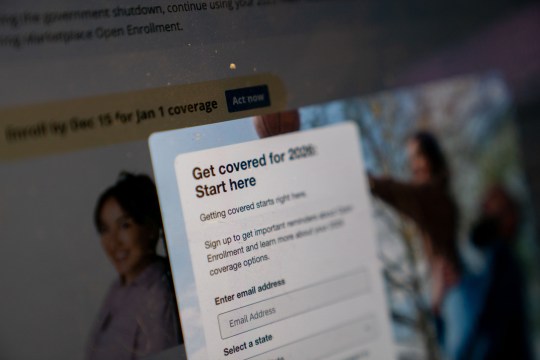
Following the expiration of the enhanced premium tax credits for people with Affordable Care Act (ACA) Marketplace plans, a new KFF follow-up survey of the same Marketplace enrollees KFF surveyed in 2025 finds half (51%) of returning enrollees say their health care costs are “a lot higher” this year compared to last year, including four in 10 who specifically say their premiums are “a lot higher.”

Timely insights and analysis from KFF staff

Subscribe to KFF Emails

Choose which emails are best for you.
Sign up here

Filter

1,081 - 1,090 of 2,770 Results

  • Pulling it Together: The Health Care Industry’s Second Voluntary Effort

    Perspective

    The announcement that health care industry groups plan to put on the table voluntarily a package of proposals to shave $2 trillion off the rate of increase in health spending over the next ten years immediately conjures up the image of the Voluntary Effort or VE launched with similar fanfare in the Carter administration.

  • Explaining Health Care Reform: What is Health Insurance?

    Issue Brief

    A key element in any comprehensive health reform plan is defining what health insurance is and the amount of insurance coverage people will have. There are two components to that coverage: the types of services covered (e.g., physician care, hospitalization, prescription drugs, etc.), and the cost sharing required of enrollees (e.g.

  • Long-term Services and Supports: A Rebalancing Act

    Event Date:
    Event

    The ongoing debate over the federal budget and deficit reduction presents a balancing act for policymakers, as many compelling interests compete for scarce dollars. But for 10 million older adults and people with disabilities who need long-term services and supports, there is a "rebalancing act" in progress.

  • Quick Take: Geographic Variation in Dual Eligible Enrollment

    Fact Sheet

    Over 9 million elderly Americans and younger persons with disabilities are jointly enrolled in the Medicaid and Medicare programs.  These “dual eligibles” receive coverage for most medical services from Medicare, and they also receive Medicaid assistance for Medicare premiums and cost-sharing and coverage of benefits not offered under Medicare (such as long-term care).

  • Trends in Employer-Sponsored Insurance Offer and Coverage Rates, 1999-2014

    Issue Brief

    This issue brief uses data from the National Health Interview Survey (NHIS) to examine trends in employer-sponsored health insurance (ESI) for different of individuals and households in the United States. While ESI remains the leading source of coverage for nonelderly people, the percentage covered by an employer plan has declined over the past 15 years. A similar pattern exists with firm offer rates; fewer workers were offered health insurance from their employer in 2014 than in 1999. Families with low and modest incomes have been most affected by these declines.

  • How Will Uninsured Childless Adults Be Affected By Health Reform?

    Issue Brief

    This brief examines uninsured childless adults and how they could be affected by health reform, including estimates of how many might qualify for coverage under a Medicaid expansion, how many would be eligible for subsidies and how many would not be eligible for such help. Issue Brief (.