Affordable Care Act

Enhanced Premium tax credits

Poll: 1 in 3 ACA Marketplace Enrollees Say They Would “Very Likely” Shop for a Cheaper Plan If Their Premium Payments Doubled; 1 in 4 Say They “Very Likely” Would Go Without Insurance

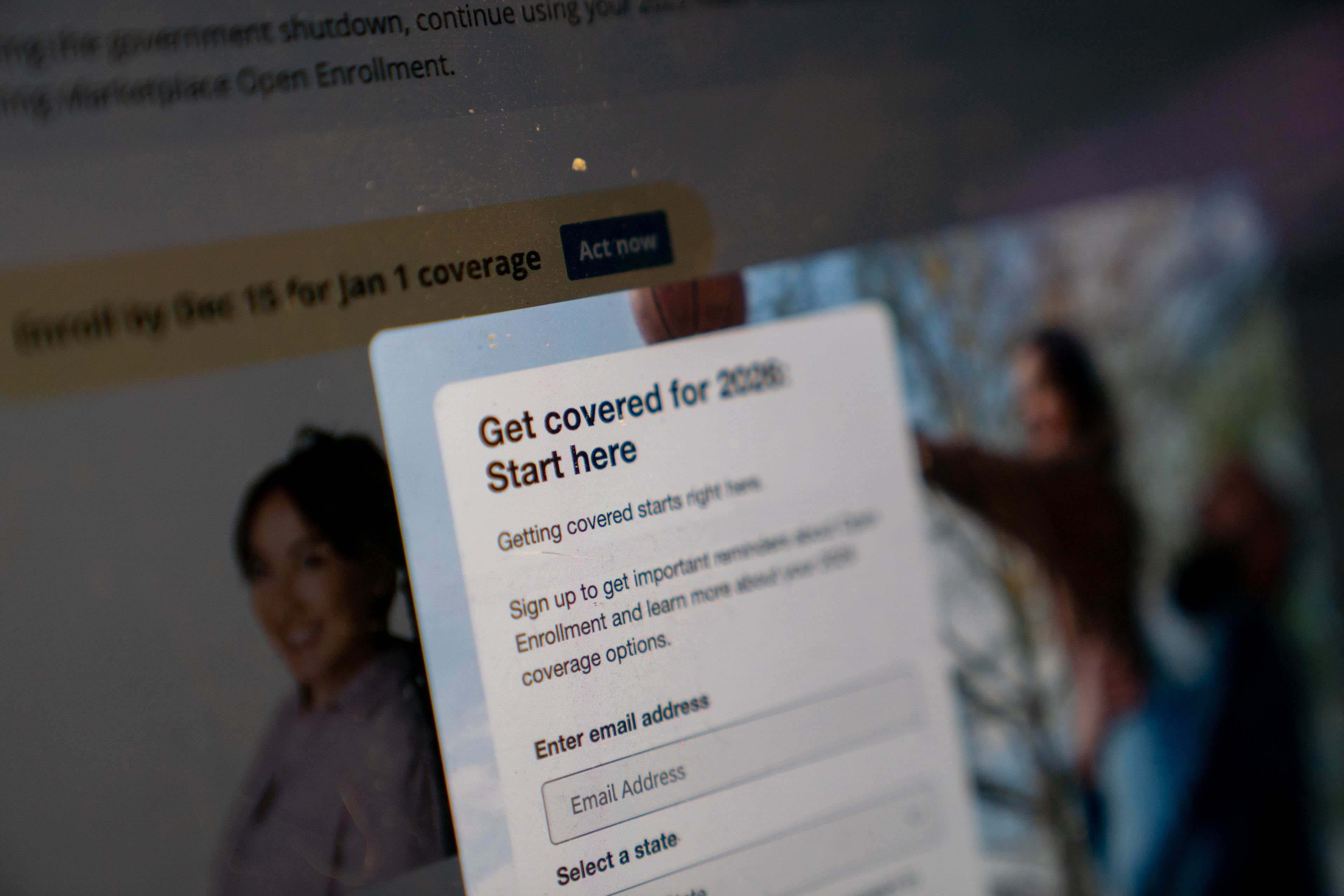
If the amount they pay in premiums doubled, about one in three enrollees in Affordable Care Act Marketplace health plans say they would be “very likely” to look for a lower-premium Marketplace plan (with higher deductibles and co-pays) and one in four would “very likely” go without insurance next year, finds a new survey of Marketplace enrollees fielded shortly after open enrollment began in the first weeks of November. More in the news release.

Timely insights and analysis from KFF staff

Subscribe to KFF Emails

Choose which emails are best for you.
Sign up here

Filter

2,151 - 2,160 of 2,748 Results

  • Media Availability on the U.S. Supreme Court’s King v. Burwell Decision

    Event Date:
    Event

    The Kaiser Family Foundation held a media-only conference call with key experts on the Affordable Care Act (ACA), state marketplaces and more to explain the U.S. Supreme Court's decision in the King v. Burwell case and to answer questions about its implications. The petitioners in the case are challenging the legality of premium and cost-sharing subsidies for low- and middle-income people buying health plans in 34 states where the federal government rather than the state is operating an insurance marketplace established by the Affordable Care Act.

  • After King v. Burwell Ruling, Health Law Issues Involve Implementation

    News Release

    After today’s Supreme Court ruling upholding the Affordable Care Act’s federal subsidies, Drew Altman's latest column in The Wall Street Journal's Think Tank explores what the decision means and what’s next for the health law. All previous columns by Drew Altman are available.

  • Kaiser Health Tracking Poll: Late June 2015 – A Special Focus On The Supreme Court Decision

    Feature

    The latest Kaiser Health Tracking Poll finds that when told that the U.S. Supreme Court ruled to keep the Affordable Care Act (ACA) as it is, allowing subsidies to be provided to low- and moderate-income people in all states regardless of who runs their Marketplace, about 6 in 10 say they approve of the decision while about a third disapprove. The King v. Burwell ruling does not appear to have had an immediate effect on the public’s overall views of the health law. Still, most Americans do not think the ACA has cleared its last big hurdle with the June 25 Supreme Court ruling; just 18 percent think the King v. Burwell case was the last major battle over the ACA, while nearly 8 in 10 think there will be more to come.

  • Takeaways From Alaska’s Medicaid Expansion

    From Drew Altman

    In this column for The Wall Street Journal’s Think Tank, Drew Altman discusses the implications of the governor of Alaska’s decision to move ahead unilaterally with Medicaid expansion.

  • Will the Iran Debate Defuse Partisan Battles Over Obamacare?

    From Drew Altman

    In this column for The Wall Street Journal's Think Tank, Drew Altman discusses whether the debate about the Iran deal may bring a respite for the Affordable Care Act from politics as usual, and how long it might last.

  • Will the Iran Debate Defuse Partisan Battles Over Obamacare?

    News Release

    In his latest column for The Wall Street Journal's Think Tank, Drew Altman discusses whether the debate about the Iran deal may bring a respite for the Affordable Care Act from politics as usual, and how long it might last. All previous columns by Drew Altman are available.

  • California’s Previously Uninsured After The ACA’s Second Open Enrollment Period

    Report

    The Kaiser Family Foundation California Longitudinal Panel Survey is a series of surveys that, over time, tracks the experiences and views of a representative, randomly selected sample of Californians who were uninsured prior to the major coverage expansions under the Affordable Care Act (ACA). The initial baseline survey was conducted with a representative sample of 2,001 nonelderly uninsured Californian adults in summer 2013, prior to the ACA’s initial open enrollment period. The second survey in the series followed up with the same group of previously uninsured Californians who participated in the baseline (a longitudinal panel survey). The third in the series, and the focus of this report, followed up with them again after the second open enrollment period in spring 2015 to find out whether more have gained coverage, lost coverage, or remained uninsured, what barriers to coverage remain, how those who now have insurance view their coverage, and to assess the impacts that gaining health insurance may have had on financial security and access to care.