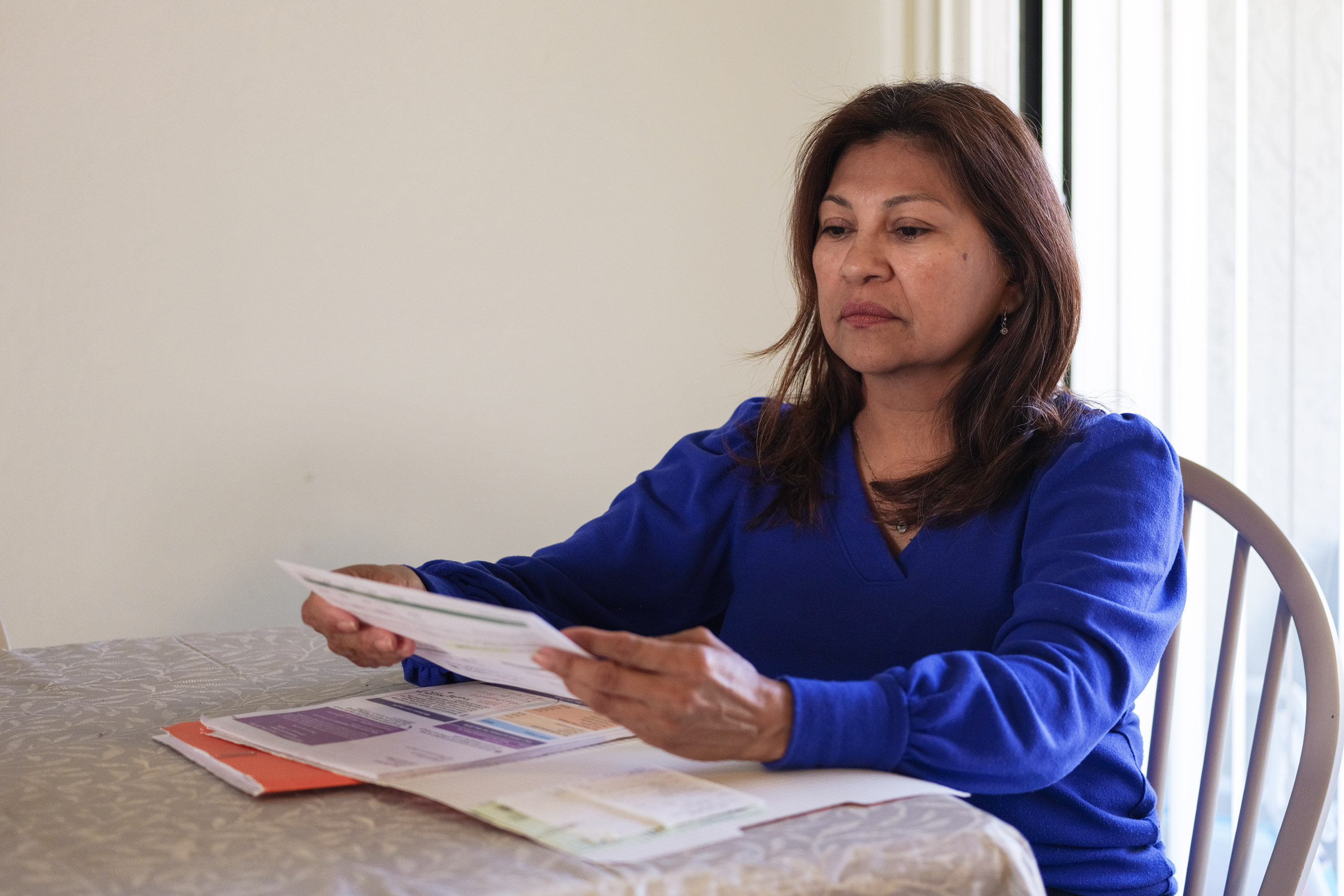
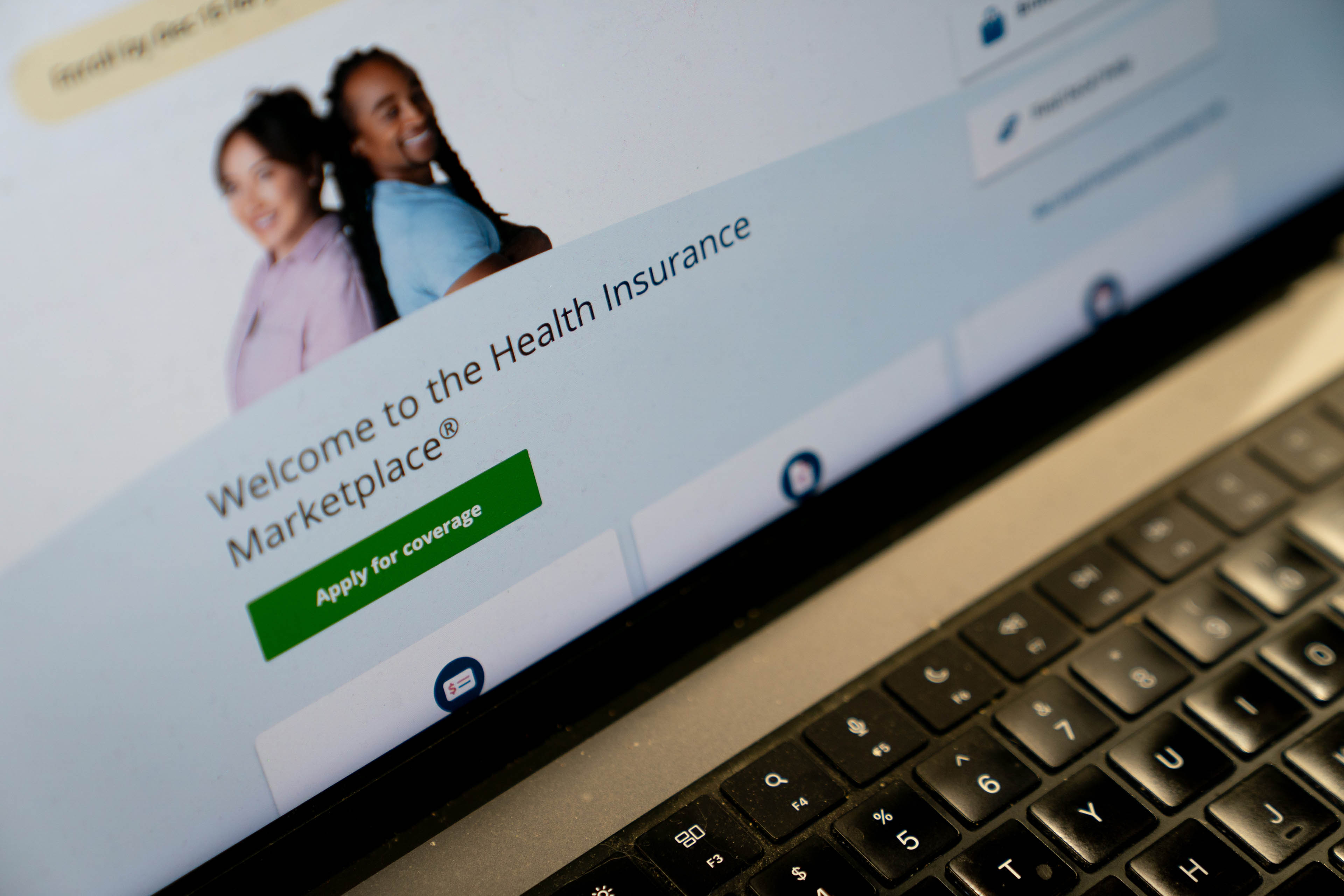
Affordable Care Act Signups Are Down, But Still an Incomplete Picture
KFF’s Jared Ortaliza explains why it will likely be several more months before there’s a more complete picture of the state of ACA Marketplace enrollment.
The independent source for health policy research, polling, and news.
KFF’s Jared Ortaliza explains why it will likely be several more months before there’s a more complete picture of the state of ACA Marketplace enrollment.
While codifying most-favored-nation drug pricing could be helpful for bringing more transparency to these arrangements and guaranteeing that drug companies will deliver on what they’ve promised, policymakers would need substantially more information to turn these backroom voluntary deals into law. more
By suggesting mifepristone poses a danger to women who use it, anti-abortion senators are likely to create more confusion that could further erode the public’s confidence in the abortion pill despite its decades-long safety record. more
The updated federal alcohol guidelines simply advise adults to “consume less for better overall health” without specifying limits – a change that could portend a renewed rise in alcohol-related deaths. more
This brief examines efforts in 11 states to fill in funding gaps created by the 2025 federal budget reconciliation law, which prohibits federal Medicaid funding for reproductive-health care services provided by Planned Parenthood and other organizations that also provide abortion care.
In a new column for JAMA Health Forum, Larry Levitt explores how unaffordable health care is in the context of the debate over extending enhanced ACA premium tax credits and an upcoming election where affordability will likely be front and center.
New proposed rules affecting most hospitals and separately changing Medicaid coverage would further limit youth access to gender-affirming care. This brief explains the proposals’ details and the challenges they would pose for transgender youth.
This policy watch evaluates state awards through the rural health fund in 2026, the first year of the program. The analysis shows relatively modest variations in total awards across states, but wide variation in how much states will receive per rural resident.
Choose which emails are best for you.
Sign up here