
From Drew Altman

Drew Altman is president and chief executive officer of KFF, a position he has held for more than 30 years since founding the modern-day KFF organization in the 1990s. He is a leading expert on national health policy issues and an innovator in health journalism and the nonprofit field.

View full bio | Read Dr. Altman's Beyond the Data columns

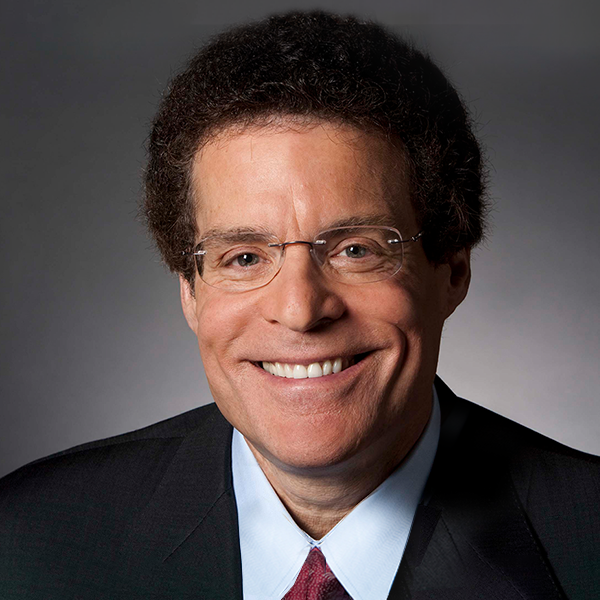
Photo of Drew Altman

President’s Message

“KFF is an independent source of health policy research, polling, and journalism. We have four major program areas: KFF Policy; KFF Polling; KFF Health News (formerly Kaiser Health News); and KFF Social Impact Media, which conducts specialized public health information campaigns. Learn more about the organization. 

What’s unique about KFF, however, can’t be found in any description of our programs because we’re more than a sum of our parts. KFF is a one-of-a-kind information organization. Not a policy research organization. Not a polling organization. And not a news organization. But rather, a unique combination of all three. That’s the vision behind KFF, and it's this combination that allows us to leverage our combined expertise and assets to play our national role on health policy.” Read more

Beyond the Data

In his “Beyond the Data” columns, Drew Altman discusses what the data, polls, and journalism produced by KFF mean for policy and for people.

The New Ideas Conundrum in Health Policy

In a new column, President and CEO Dr. Drew Altman writes about the “conundrum of health policy ideas” facing Democrats searching for new proposals because of competing, and complex, priorities: rebuilding Medicaid and the ACA after trillion-dollar cuts, reconstructing federal health agencies, and tackling underlying health care costs, when candidates want simple ideas they can campaign on and voters want their costs to come down.

Filter

181 - 190 of 337 Results

  • The Republican Health-care Plan the Country Isn’t Debating

    From Drew Altman

    In this Washington Post op-ed, Drew Altman discusses how Republicans' ideas to change Medicaid and Medicare and repeal the Affordable Care Act would fundamentally change the federal role in health, calling it: the biggest change in health we are NOT debating.

  • High-Risk Pools as Fallback for High-Cost Patients Require New Rules

    From Drew Altman

    In this Wall Street Journal Think Tank column, Drew Altman examines how Republicans would “split the risk pools” between the healthier and the sick in their Affordable Care Act replacement plans, using state high risk pools as a fallback for higher cost patients, and examines the steps that would be necessary to make them effective based on prior experience in the states.

  • Obamacare Debate: Where GOP Governors Stand on Repeal and Replace

    From Drew Altman

    As congress prepares to vote on repeal of the Affordable Care Act, Drew Altman discusses whether Republican governors and congressional Republicans will be at odds over key issues when it comes to repealing and replacing the law in this Wall Street Journal Think Tank column.

  • The Health Care Plan Trump Voters Really Want

    From Drew Altman

    In a New York Times op-ed, Drew Altman draws on observations from focus groups in rust belt states of people in the Affordable Care Act (ACA) marketplaces who voted for President-elect Trump and say they may not like their coverage under the ACA but could like Republican replacement plans even less.

  • Understanding Who Opioid Users Are Underscores Challenges

    From Drew Altman

    The 21st Century Cures Act provided a billion dollars in new funding for opioid prevention and treatment. In this Wall Street Journal Think Tank column, Drew Altman looks at the challenges based on a new Kaiser-Washington Post survey of long term opioid users.

  • How the Republican Health Agenda Could Play Out

    From Drew Altman

    In this Wall Street Journal Think Tank column Drew Altman discusses how Republicans will assume ownership of health care’s policy and political problems as they assume control, and how that may affect their plans for the Affordable Care Act, Medicaid and Medicare.